
South Australia’s Lifeline to the Sea: Critical Wave Buoy Fails for Third Time, Putting Fishermen’s Lives at Risk
- The Cape du Couedic wave buoy, a crucial tool for fishermen and oceanographers, has stopped transmitting data for the third time in less than two years, sparking concerns about safety and the reliability of the system.
- The Bureau of Meteorology (BOM) has announced plans to recover the buoy, with repairs expected to take up to six weeks, but the repeated failures have left the fishing industry on edge.
- Professional fishermen rely heavily on the buoy’s data to gauge swell direction, period, and wave size, wind speed and direction, and tide, and the lack of accurate information puts lives at risk.
- The BOM has faced criticism for the lengthy repairs, which have taken up to nine months, and the cost of fixing the buoy remains unknown.
The Cape du Couedic wave buoy, located off the coast of Kangaroo Island, has been a vital tool for the fishing industry in South Australia, providing critical data on wave and swell conditions.
However, the buoy’s repeated failures have left fishermen and oceanographers scrambling for alternative sources of information, and the Bureau of Meteorology’s (BOM) response has been criticized for being slow and inadequate.
The latest failure occurred on May 30, during a stormy weekend, when the buoy stopped transmitting data.
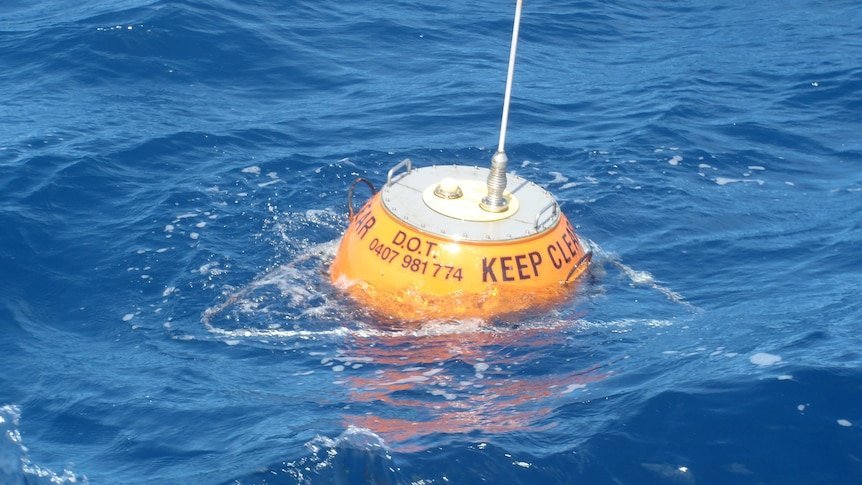
According to the BOM, technicians will determine the cause of the failure once the buoy is recovered, which is expected to take up to six weeks.
This is not the first time the buoy has malfunctioned – it began transmitting erroneous data in August 2024 and was taken offline for nine months for repairs.
The BOM has attributed the previous failures to a combination of factors, including a mooring failure that caused the buoy to break free and wash up on Kangaroo Island, and a supply issue with a specialist mooring part sourced from Canada.
However, the repeated failures have raised concerns about the reliability of the system and the impact on the fishing industry.
For professional fishermen like Ben Barnes, the chairperson of the SA Professional Fishers Association, the buoy’s data is critical for ensuring safe and successful fishing operations.
“Most fishers in the industry use modern technology through apps on their phones to gauge conditions such as swell direction, period and wave size, wind speed and direction, and tide,” he said.
“If something’s not working, it puts lives in danger.”
Barnes emphasized the importance of accurate and reliable data for the fishing industry, which relies heavily on technology to operate safely and efficiently. “We want to ensure fishers get back home to their families safe,” he said.
“It’s not just the buoy, it’s the likes of mobile phone services. It’s everything.”
Analysis: What This Means for Australia
The repeated failures of the Cape du Couedic wave buoy have significant implications for the fishing industry in South Australia, which relies heavily on accurate and reliable data to operate safely and efficiently.
The lack of accurate information puts lives at risk, and the industry is calling for a more reliable and efficient system to be put in place.
The BOM’s response to the failures has been criticized for being slow and inadequate, and the cost of repairs remains unknown. The agency’s reliance on international suppliers for critical parts has also raised concerns about the reliability of the system.
Security analysts say that the repeated failures of the wave buoy highlight the need for a more robust and resilient system to support the fishing industry.
“The buoy is a critical piece of infrastructure for the fishing industry, and its repeated failures have significant implications for safety and efficiency,” said one analyst.
“The BOM needs to take a more proactive approach to maintaining and upgrading the system to ensure that it is reliable and efficient.”
Law enforcement insiders warn that the lack of accurate data from the wave buoy also has implications for maritime safety and security. “The buoy’s data is critical for tracking and predicting weather patterns and sea conditions, which is essential for search and rescue operations,” said one insider.
“The repeated failures of the buoy put lives at risk and highlight the need for a more reliable and efficient system.”