
One Nation’s Shocking Rise to Power in Small NSW Town Exposes Deep-Seated Fears and Divisions
- A small NSW town has become a One Nation stronghold, with the party receiving over 67% of the vote in a recent by-election.
- Residents say they are frustrated with environmental policies and feel neglected by the government, leading to a surge in support for the party.
- The town’s diverse community is now divided, with some residents embracing One Nation’s message and others feeling betrayed and fearful.
- Experts warn that One Nation’s growing popularity in regional Australia could reshape party politics and have significant implications for the country’s future.
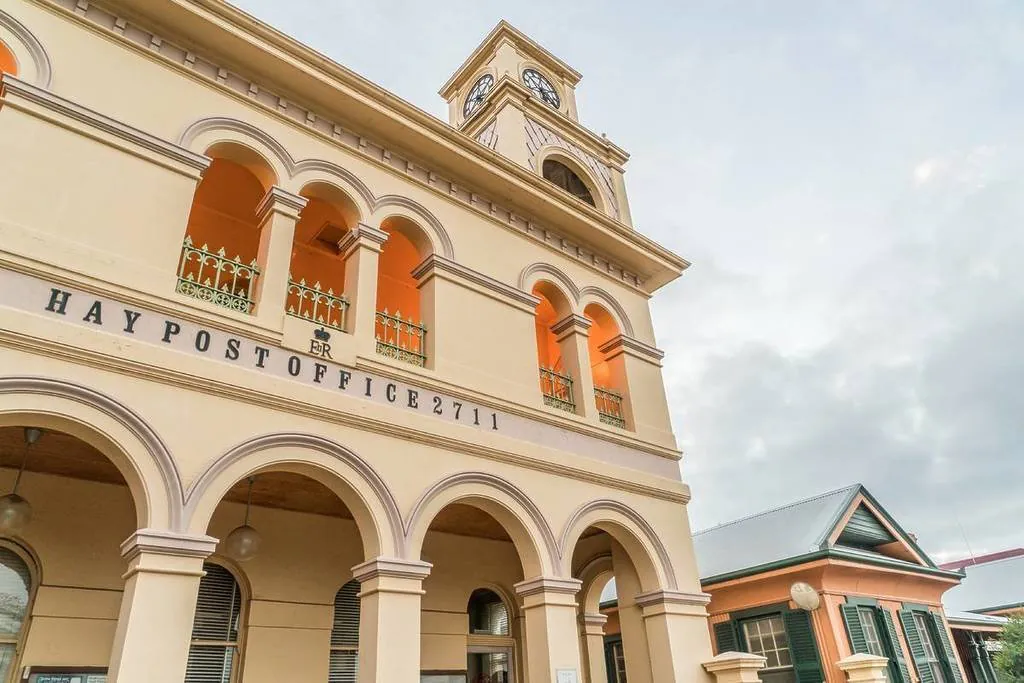
In the small NSW town of Hay, a sense of desperation and frustration has been simmering beneath the surface for years.
The once-thriving agricultural community has been struggling to stay afloat, with many residents feeling neglected by the government and frustrated by environmental policies that they believe are killing their town.
It was into this perfect storm of discontent that One Nation candidate David Farley stepped, capitalizing on the town’s fears and anxieties to win a shocking 67% of the vote in a recent by-election.
For Annette Smith, a 68-year-old resident who had previously considered herself non-political, the decision to vote for One Nation was a turning point.
She had been running a local Facebook group, Hay Matters, and had been hesitant to allow posts in support of Michelle Milthorpe, the Climate 200-backed independent candidate.
But after speaking with Farley, she was won over by his message of water reform and his commitment to listening to the concerns of rural Australia.
Farley’s campaign tapped into the deep-seated fears of the town’s residents, who feel that their way of life is under threat from environmental policies and renewable projects.
Garry McCrae, a local butcher, is typical of the town’s residents who have been won over by One Nation’s message. “All us country people have just been neglected and no-one wants to help us,” he said, his broad shoulders sagging in frustration.
“I see the town just getting smaller and smaller.”
But not everyone in Hay is celebrating One Nation’s victory. Lou Gardam, a local school teacher who supported Milthorpe, is horrified by the result.
“It was really Orwellian,” she said, describing the way in which One Nation’s slogans and messages were repeated by residents. “Conversations with people that I have known literally for 40 years were very unsettling.”
As the town’s residents begin to come to terms with the implications of One Nation’s victory, experts are warning that the party’s growing popularity in regional Australia could have significant consequences for the country’s future.
Benjamin Moffitt, a populism expert who has researched Pauline Hanson for decades, says that One Nation’s expansion into regional and rural Australia is a game-changer.
“There is a shift,” he said. “This is not hype.
To pretend they’re a single-issue party anymore is doing everyone a disservice if they want to actually understand what’s going on.”
Analysis: What This Means for Australia
One Nation’s victory in Hay is a wake-up call for Australia’s major parties, who have long neglected the concerns of rural and regional communities.
The party’s growing popularity is a symptom of a deeper malaise, in which many Australians feel disconnected from the political process and disillusioned with the major parties.
As One Nation continues to expand its appeal, it is likely to reshape party politics in Australia, potentially leading to a realignment of the country’s political landscape.
But One Nation’s rise to power also raises significant concerns about the impact on Australia’s social cohesion and multiculturalism. The party’s anti-migrant sentiments and hardline stance on immigration have already caused tension in Hay, with some residents feeling fearful and betrayed.
As One Nation’s influence grows, it is likely to exacerbate these divisions, potentially leading to a more fractured and divided society.
Security analysts say that One Nation’s growing popularity also raises concerns about the potential for extremist ideologies to take hold in Australia. The party’s hardline stance on immigration and its opposition to multiculturalism have already led to accusations of racism and xenophobia.
As One Nation continues to grow in influence, it is likely to create a more divisive and polarized society, in which extremist ideologies can thrive.
Industry observers believe that One Nation’s victory in Hay is also a warning sign for the country’s agricultural sector, which is already struggling to stay afloat.
The party’s opposition to renewable projects and its support for water reform may appeal to some farmers, but it is likely to exacerbate the sector’s existing problems, potentially leading to further decline and job losses.
Law enforcement insiders warn that One Nation’s growing popularity also raises concerns about the potential for social unrest and community conflict. The party’s hardline stance on immigration and its opposition to multiculturalism have already led to tensions in Hay, with some residents feeling fearful and betrayed.
As One Nation continues to grow in influence, it is likely to exacerbate these divisions, potentially leading to a more violent and divisive society.