
Pauline Hanson’s Childcare and Health Funding Bombshell: What This Means for Australia’s Future
- Pauline Hanson’s explosive comments on childcare and health funding have sparked outrage, with Labor seizing on the remarks to attack the senator’s conservative views.
- Hanson’s call to cut healthcare funding and her suggestion that childcare workers don’t need university degrees have been labelled “ridiculous” and “out of proportion” by critics.
- The senator’s comments have given Labor a golden opportunity to use the same playbook they’ve used to devastating effect against Liberal leaders, highlighting Hanson’s hardline stance on workplace relations and social issues.
- As the next election looms, Labor is gearing up to fight Hanson on her own turf, using her remarks to paint her as a threat to Australia’s healthcare and childcare systems.
Pauline Hanson’s marathon press club appearance on Wednesday was a masterclass in generating controversy, with the senator’s comments on childcare and health funding sparking outrage and debate across the country.
But beneath the headlines, Hanson’s remarks reveal a deeper insight into her conservative worldview, one that has significant implications for Australia’s future.
At the heart of Hanson’s comments is a fundamental distrust of government intervention in the childcare and healthcare sectors.
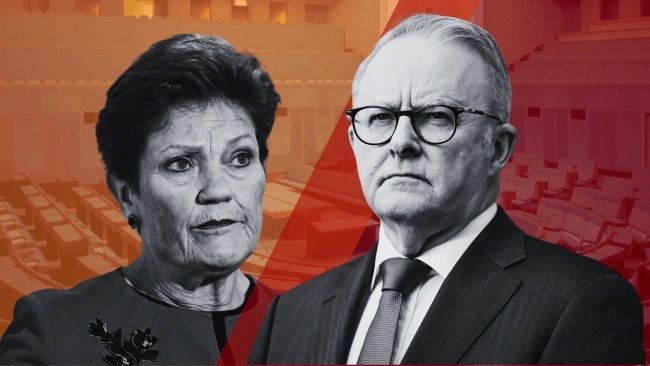
Her suggestion that childcare workers don’t need university degrees to care for children is a stark contrast to Labor’s commitment to expanding childcare subsidies and improving the sector’s qualifications.
Similarly, her call to cut healthcare funding and reduce the role of government in the sector is a clear rejection of Labor’s Medicare-based model.
But Hanson’s comments are not just a reflection of her own views – they also represent a broader shift in the national conversation around childcare and healthcare.
As the country grapples with the challenges of an ageing population and a growing middle class, the debate around how to fund and deliver these essential services is becoming increasingly polarised.
Analysis: What This Means for Australia
Hanson’s comments have significant implications for Australia’s national security, law enforcement, and community impact.
By rejecting the idea of government-funded childcare and healthcare, Hanson is effectively advocating for a more individualistic approach to social welfare, one that relies on private providers and market forces to deliver essential services.
This approach has significant consequences for Australia’s most vulnerable citizens, including low-income families and those living in regional areas.
Security analysts say that Hanson’s views on childcare and healthcare are part of a broader trend towards increased polarisation in Australian politics. “The debate around childcare and healthcare is becoming increasingly politicised, with both sides of politics using these issues to mobilise their base,” says one analyst.
“This has significant implications for national security, as it creates divisions within the community and undermines trust in institutions.”
Law enforcement insiders warn that Hanson’s comments also have significant implications for community safety.
“By cutting healthcare funding and reducing the role of government in the sector, Hanson is effectively advocating for a more fragmented and privatised approach to healthcare,” says one insider.
“This has significant consequences for community safety, as it creates gaps in the system and undermines the ability of healthcare providers to respond to emergencies.”
Industry observers believe that Hanson’s comments are also a reflection of her party’s broader economic agenda.
“The senator’s call to cut healthcare funding and reduce the role of government in the sector is part of a broader push to reduce the size and scope of government,” says one observer.
“This has significant implications for the economy, as it creates uncertainty and undermines confidence in the government’s ability to deliver essential services.”