
Bomb Scare on Sydney Flight: Man Arrested for Threatening Aviation Security as Experts Warn of ‘Copycat’ Incidents
- A 44-year-old man has been arrested and charged with threatening aviation security after allegedly claiming to have a bomb on a Turkish Airlines flight from Sydney to Kuala Lumpur
- The suspect, from Montenegro, sparked a security scare when he made the threat while holding a wireless phone charger, prompting the pilot to return the plane to the gate and call police
- Experts warn that the incident could inspire ‘copycat’ threats, putting airline passengers and staff at risk of significant disruption and harm
- The arrest comes as Australian authorities crack down on airport security breaches, with the AFP vowing to take action against anyone who compromises the safety of travellers
A bomb scare on a Turkish Airlines flight from Sydney to Kuala Lumpur has ended with the arrest of a 44-year-old man, who allegedly claimed to have a bomb in his possession while holding a wireless phone charger.
The incident has raised concerns about the risk of ‘copycat’ threats and the need for robust airport security measures.
The man, from Montenegro, had boarded the flight on Sunday when the incident occurred. According to police, a crew member asked him about the device he was holding, prompting him to make the bomb threat.
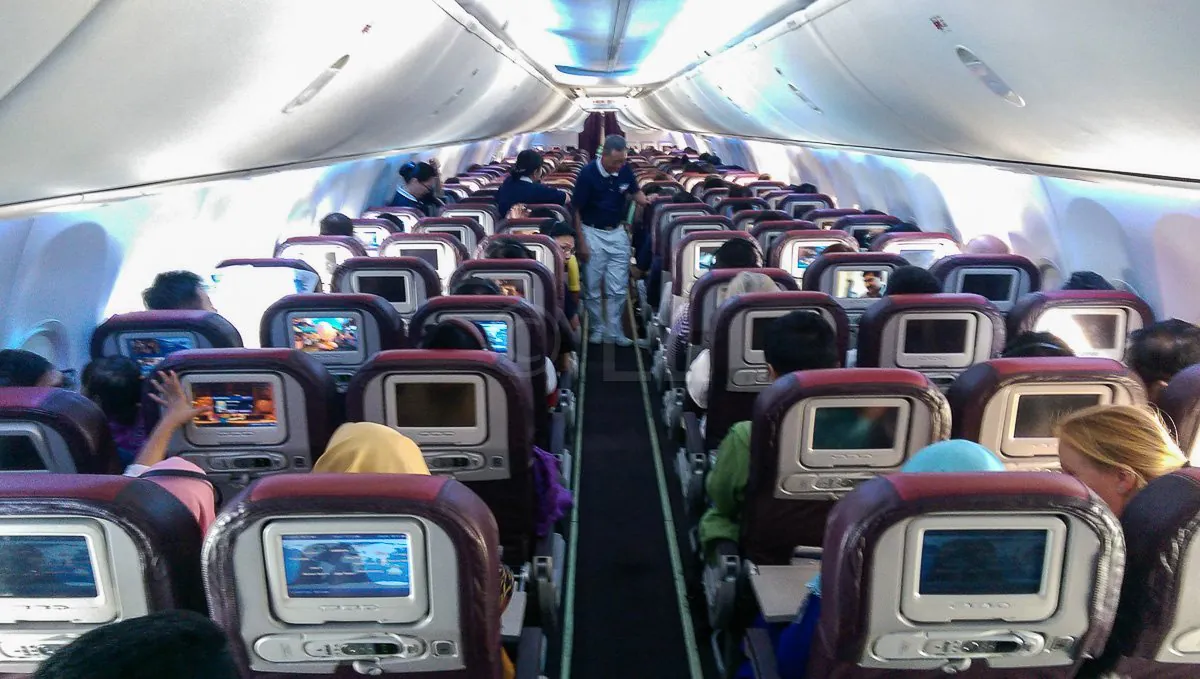
The crew member immediately alerted the pilot, who returned the plane to the gate and called the authorities.
Police boarded the plane and arrested the man, removing him from the aircraft. He has been charged with one count of threatening aviation security, an offence that carries a maximum penalty of $10,500.
The incident has sparked a warning from Australian Federal Police (AFP) Detective Superintendent Davina Copelin, who urged passengers to report any suspicious activities they witness at airports.
Experts say that the incident highlights the need for robust airport security measures and the risks of ‘copycat’ threats.
“What some people may consider a joke can cause significant disruption, trigger emergency responses and divert security resources away from genuine threats,” Detective Superintendent Copelin said.
“Making a false claim about a bomb is not a prank, it is a criminal matter that can result in prosecution and substantial penalties.”
The AFP has vowed to take action against anyone whose behaviour compromises airport security, and is urging passengers to report any suspicious activities they witness at airports, such as taking photos of security cameras, avoiding screening or leaving bags unattended.
Analysis: What This Means for Australia
The incident has significant implications for Australia’s national security and aviation industry. Experts warn that the threat of ‘copycat’ incidents is real, and that robust security measures are needed to prevent similar incidents in the future.
The AFP’s decision to take action against the suspect sends a strong message that such behaviour will not be tolerated.
Security analysts say that the incident highlights the need for improved airport security protocols, including better screening and surveillance measures. “Airports operate under strict security protocols to keep passengers, staff and airline crew safe,” Detective Superintendent Copelin said.
“Any comment suggesting the presence of a bomb or explosive device will be treated seriously.”
Industry observers believe that the incident could have significant economic consequences for the aviation industry, with potential disruptions to flights and increased security costs.
“The impact of a false bomb threat can be significant, causing delays and disruptions to flights, as well as increased security costs,” said one industry expert.
The incident serves as a reminder of the importance of robust airport security measures and the need for passengers to report any suspicious activities they witness at airports.
As Detective Superintendent Copelin said, “We urge everyone to report any suspicious activities they see at the airport, such as taking photos of security cameras, avoiding screening or leaving bags unattended.”