
Nation’s Economic Pulse on Life Support: NSW Budget Delivers Cost-of-Living Relief Amidst Soaring Expenses and Uncertainty
- New South Wales households to receive up to $100 off private vehicle registration and frozen Opal fares as part of a $561.4 million cost-of-living relief package
- Treasurer Daniel Mookhey predicts a return to budget surplus in 2027-28, but critics slam lack of funding for major infrastructure projects and housing supply solutions
- Record investment in domestic violence response services and a new armed response command to bolster public safety in the wake of the Bondi terror attack
- NSW budget posts $2.3 billion deficit, with employee expenses projected to grow year on year due to rising wages
The NSW budget has been unveiled, and it’s clear that the state’s economy is on life support.
As Treasurer Daniel Mookhey delivered his fourth state budget, he painted a picture of a government walking a tightrope between providing cost-of-living relief and grappling with soaring expenses.
The big-ticket items in this year’s budget are a $561.4 million package aimed at easing the financial burden on households, including a $100 discount on private vehicle registration and frozen Opal fares.
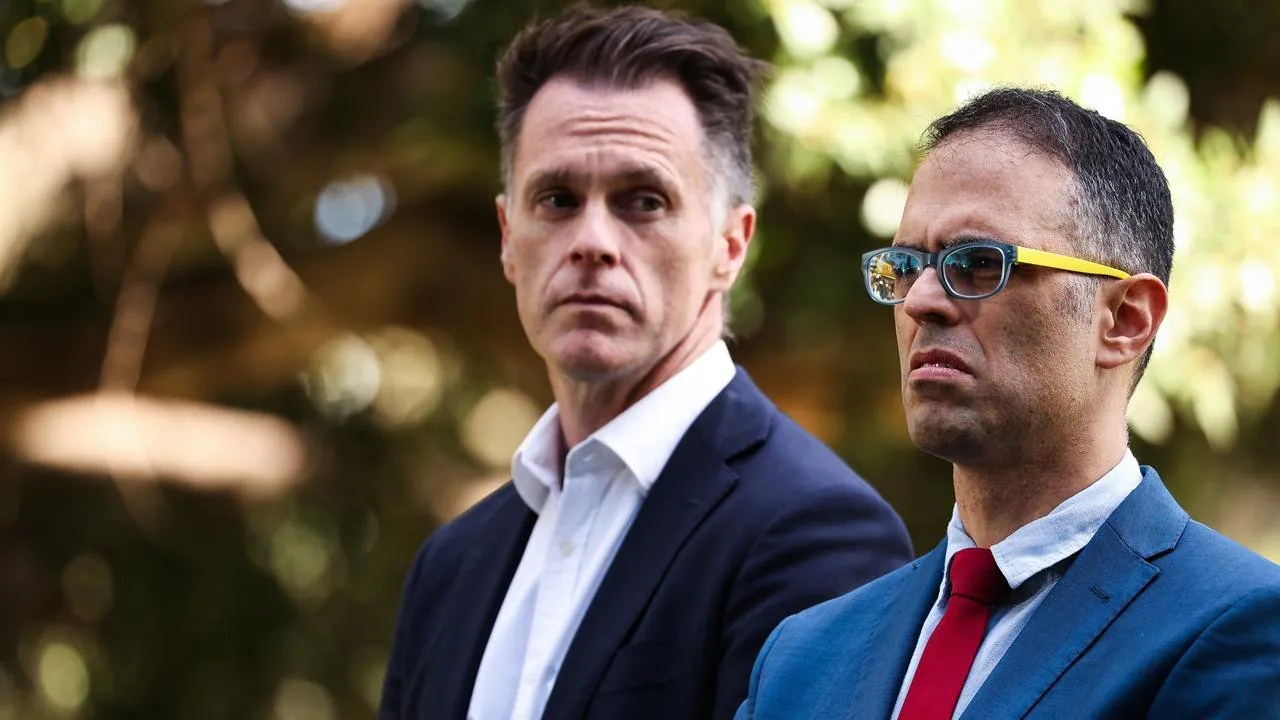
The transport affordability package is a welcome relief for motorists, who have been feeling the pinch of higher fuel prices and tolls. The Opal fare freeze will also bring some comfort to commuters, who have been facing rising costs across the board.
However, critics argue that the budget fails to address the state’s pressing housing supply challenges, with Opposition Leader Kellie Sloane slamming the lack of funding for major infrastructure projects.
But the budget isn’t all about cost-of-living relief.
There’s a landmark investment in domestic violence response services, with a 50 per cent uplift to six existing crisis response programs totalling $184.1 million over four years.
The NSW Police Force is also set to receive a significant boost, with $94.3 million allocated for an Armed Response Command comprising 250 police officers with long arm capability and a fleet of high-performance rapid-response vehicles.
The budget comes amidst a backdrop of global uncertainty, with the war in the Middle East casting a shadow over the economy. Despite this, Treasurer Mookhey is confident that NSW is on track to return to a budget surplus in 2027-28.
However, the state’s expenses are projected to grow year on year, largely due to rising employee wages.
Analysis: What This Means for AustraliaThe NSW budget has significant implications for the national economy.
With the state’s expenses projected to grow year on year, there are concerns about the impact on the federal budget.
The lack of funding for major infrastructure projects is also a concern, as it may hinder the state’s ability to attract investment and drive economic growth.
Security analysts say the investment in domestic violence response services and the new armed response command is a step in the right direction, but more needs to be done to address the root causes of violence.
Law enforcement insiders warn that the growing threat of terrorism requires a more comprehensive approach, including increased funding for intelligence gathering and community engagement.
Industry observers believe the budget’s focus on renewable energy and AI data centres is a positive move, but more needs to be done to support small businesses and startups.
The outlook for homeowners is sedate in the near term, but the government’s prediction of rising house prices in the back half of 2027 may be a concern for first home buyers.
As the state grapples with its economic challenges, one thing is clear: the NSW budget is just the beginning of a long and difficult journey towards recovery.
With the federal election looming, the pressure is on for the government to deliver on its promises and steer the economy back on track. Expert commentary suggests that the budget is a missed opportunity to address the state’s pressing housing supply challenges.
“Families are working harder than ever, but too many are going backwards,” says Opposition Leader Kellie Sloane.
“Meanwhile, businesses are facing rising costs and a government that is taking more off them in payroll tax.”
Leader of the state Nationals Gurmesh Singh adds, “Regional communities have been left behind despite being a key driver of our state’s success.
Whether it’s infrastructure delays, housing shortages, energy policy, or essential services, regional communities deserve their fair share.”
As the dust settles on the NSW budget, one thing is clear: the road to recovery will be long and difficult.
But with the right policies and investments, there’s hope that the state can get back on track and drive economic growth for years to come.
The NSW budget has been unveiled, and it’s clear that the state’s economy is on life support. As Treasurer Daniel Mookhey delivered his fourth state budget, he painted a picture of a government walking a tightrope between providing cost-of-living relief and grappling with soaring expenses. The big-ticket items in this year’s budget are a $561.4 million package aimed at easing the financial burden on households, including a $100 discount on private vehicle registration and frozen Opal fares.
The transport affordability package is a welcome relief for motorists, who have been feeling the pinch of higher fuel prices and tolls. The Opal fare freeze will also bring some comfort to commuters, who have been facing rising costs across the board. However, critics argue that the budget fails to address the state’s pressing housing supply challenges, with Opposition Leader Kellie Sloane slamming the lack of funding for major infrastructure projects.
But the budget isn’t all about cost-of-living relief. There’s a landmark investment in domestic violence response services, with a 50 per cent uplift to six existing crisis response programs totalling $184.1 million over four years. The NSW Police Force is also set to receive a significant boost, with $94.3 million allocated for an Armed Response Command comprising 250 police officers with long arm capability and a fleet of high-performance rapid-response vehicles.
The budget comes amidst a backdrop of global uncertainty, with the war in the Middle East casting a shadow over the economy. Despite this, Treasurer Mookhey is confident that NSW is on track to return to a budget surplus in 2027-28. However, the state’s expenses are projected to grow year on year, largely due to rising employee wages.
The NSW budget has significant implications for the national economy. With the state’s expenses projected to grow year on year, there are concerns about the impact on the federal budget. The lack of funding for major infrastructure projects is also a concern, as it may hinder the state’s ability to attract investment and drive economic growth.
Security analysts say the investment in domestic violence response services and the new armed response command is a step in the right direction, but more needs to be done to address the root causes of violence. Law enforcement insiders warn that the growing threat of terrorism requires a more comprehensive approach, including increased funding for intelligence gathering and community engagement.
Industry observers believe the budget’s focus on renewable energy and AI data centres is a positive move, but more needs to be done to support small businesses and startups. The outlook for homeowners is sedate in the near term, but the government’s prediction of rising house prices in the back half of 2027 may be a concern for first home buyers.
As the state grapples with its economic challenges, one thing is clear: the NSW budget is just the beginning of a long and difficult journey towards recovery. With the federal election looming, the pressure is on for the government to deliver on its promises and steer the economy back on track.
Expert commentary suggests that the budget is a missed opportunity to address the state’s pressing housing supply challenges. “Families are working harder than ever, but too many are going backwards,” says Opposition Leader Kellie Sloane. “Meanwhile, businesses are facing rising costs and a government that is taking more off them in payroll tax.”
Leader of the state Nationals Gurmesh Singh adds, “Regional communities have been left behind despite being a key driver of our state’s success. Whether it’s infrastructure delays, housing shortages, energy policy, or essential services, regional communities deserve their fair share.”
As the dust settles on the NSW budget, one thing is clear: the road to recovery will be long and difficult. But with the right policies and investments, there’s hope that the state can get back on track and drive economic growth for years to come.