
‘Fowl Play’: Egg Producer Slapped with $39,600 Fine for Deceptive Labelling as ACCC Cracks Down on Free-Range Scams
- A Victorian egg farm business has been fined $39,600 for falsely claiming its eggs were ‘free range’ despite hens not having access to outdoor areas.
- The Doreen Egg farm admitted to selling mislabelled eggs through wholesalers, retailers, and direct sales, affecting approximately 8,600 cartons.
- The ACCC warns consumers to be cautious of misleading labels, as free-range eggs can cost up to $6 more per dozen than caged eggs.
- The case highlights the need for transparency in food labelling, with the ACCC vowing to take action against deceptive producers.
The ACCC has come down hard on a Victorian egg producer, slapping Doreen Egg Farm with a $39,600 fine for falsely claiming its eggs were ‘free range’.
The farm, based on the outskirts of Melbourne, admitted to selling eggs that did not meet the Australian Consumer Law’s Free Range Egg Labelling Information Standard.
Under the standard, eggs cannot be labelled ‘free range’ unless hens have ‘meaningful and regular access to an outdoor range’ during the day, and can roam and forage outside.
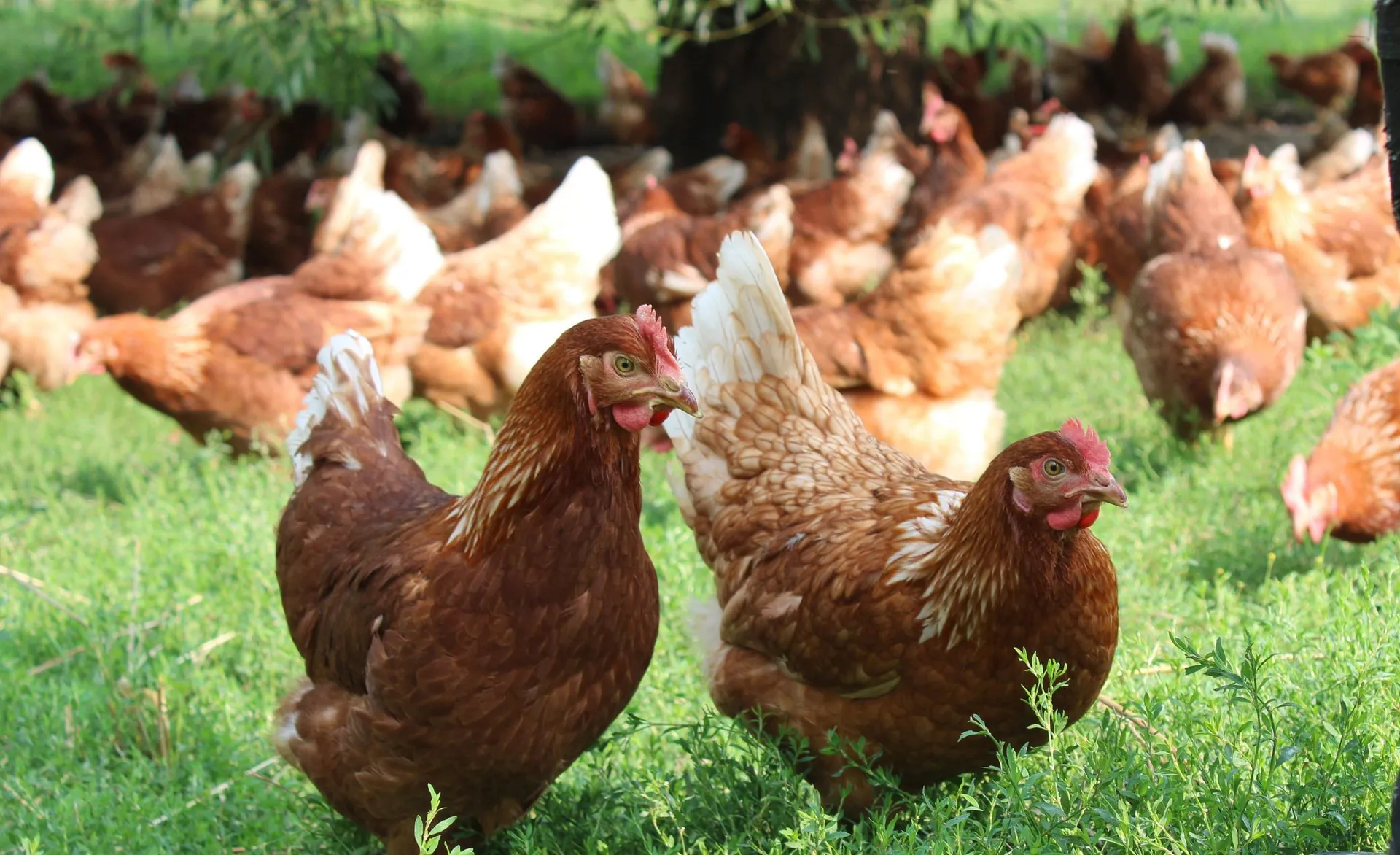
However, Doreen Egg’s hens did not have access to outdoor areas, despite the farm’s claims. The ACCC issued two infringement notices, which the farm has since paid.
The case is a stark reminder of the need for transparency in food labelling. Free-range eggs can cost up to $6 more per dozen than caged eggs, making it a lucrative market for producers.
However, the ACCC warns consumers to be cautious of misleading labels, which can erode trust in the market.
The Free Range Egg Labelling Information Standard was introduced in 2018 to provide clarity around egg labelling. However, the ACCC has taken action against several producers for breaching the standard.
This is the fifth action taken by the ACCC in relation to the free-range egg standard, highlighting the need for producers to comply with the regulations.
ACCC deputy chair, Mick Keogh, said the breaches were serious because consumers need to trust food labelling.
“If we breach consumers’ trust in that regard, then they will no longer be prepared to pay that and the market as a whole will suffer,” Mr Keogh said.
As part of a court-enforceable undertaking, Doreen Egg has committed to independently reviewing its compliance processes, updating packaging and traceability systems, and conducting staff training.
The farm will also be subject to independent audits and inspections over the next few years.
Security analysts say the case highlights the need for robust regulation in the food industry. “Consumers have a right to know what they’re buying, and producers have a responsibility to provide accurate information,” said one analyst.
“The ACCC’s action sends a strong message to producers that deception will not be tolerated.”
Analysis: What This Means for Australia
The case has significant implications for Australian consumers and the egg industry. The ACCC’s action demonstrates a commitment to protecting consumers and ensuring transparency in food labelling.
However, it also highlights the need for producers to comply with regulations and provide accurate information.
Law enforcement insiders warn that the case may be the tip of the iceberg, with other producers potentially engaging in similar deceptive practices. “The ACCC’s action is a wake-up call for producers to review their labelling practices and ensure compliance with the regulations,” said one insider.
Industry observers believe the case may lead to increased scrutiny of the egg industry, with consumers becoming more savvy about the products they buy. “Consumers are increasingly demanding transparency and accountability from producers,” said one observer.
“The ACCC’s action is a step in the right direction, but more needs to be done to ensure compliance across the industry.”