
Pauline Hanson’s ‘Monoculture’ Gamble: What the Socceroos Can Teach Us About Australia’s Identity Crisis
- Australian soccer star Nestory Irankunda’s World Cup debut has sparked a heated debate about multiculturalism and monoculturalism in Australia.
- One Nation leader Pauline Hanson claims the Socceroos represent her vision of a monocultural Australia, despite the team being a prime example of cultural diversity.
- Opposition Leader Angus Taylor has dodged the issue, while Labor has accused him of trying to “out-One Nation, One Nation” with his unclear stance on multiculturalism.
- The debate has exposed a deepening divide within the Coalition on how to deal with the electoral threat posed by One Nation.
The Socceroos’ thrilling World Cup victory has brought Australia together, but beneath the surface, a fierce debate is raging about the country’s identity and what it means to be Australian.
At the heart of this debate is the concept of monoculturalism, a term that has been hijacked by One Nation leader Pauline Hanson to justify her vision of a uniform Australian culture.
But as the Socceroos’ diverse team proves, monoculturalism is a myth that ignores the very fabric of Australian society. Hanson’s comments have sparked widespread criticism, with many accusing her of trying to co-opt the benefits of multiculturalism while rejecting its core principles.
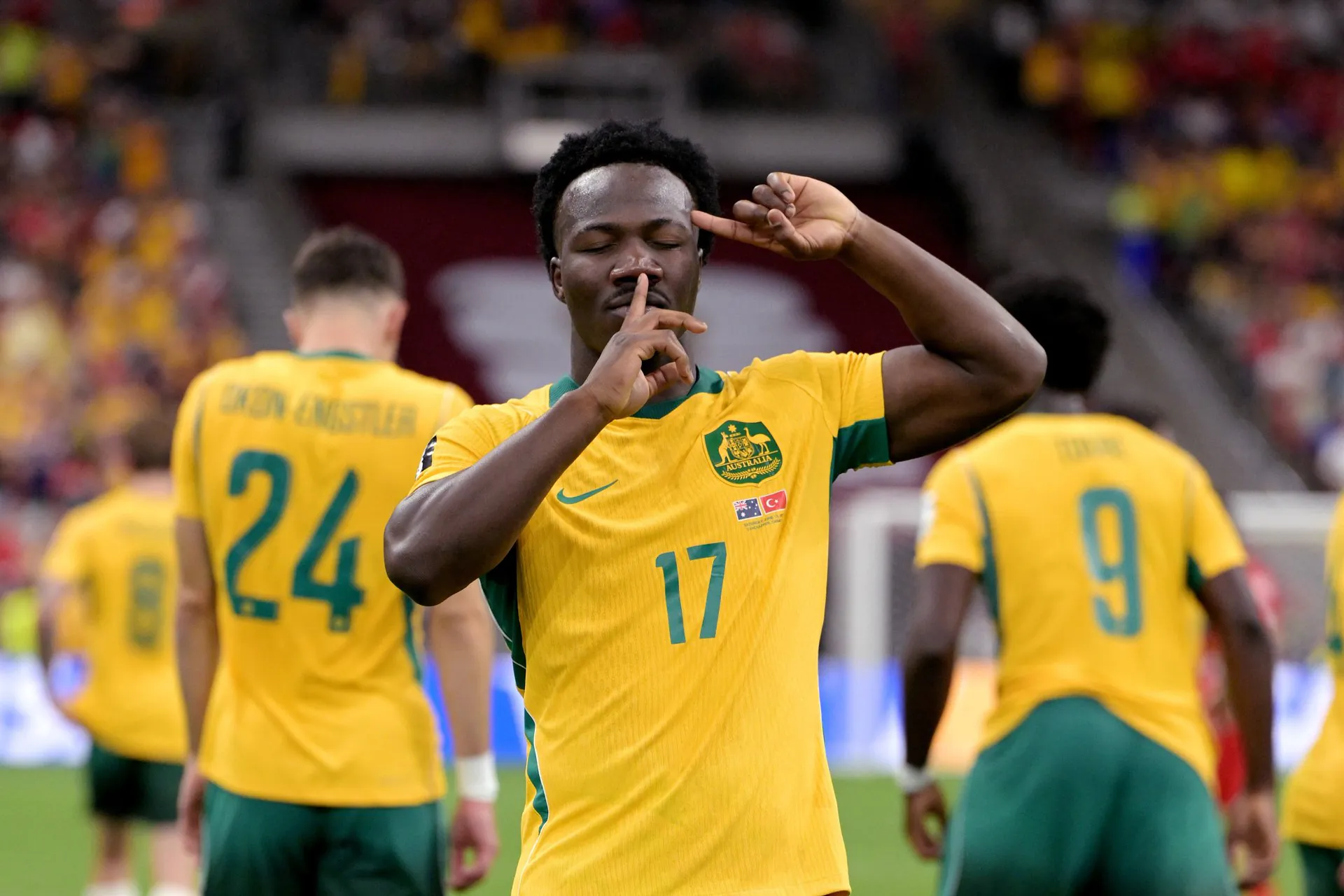
Her argument that the Socceroos represent a monocultural Australia is particularly galling, given the team’s diverse makeup and the fact that many of its players were born overseas.
Irankunda, the young soccer star who scored the winning goal, is a perfect example of the benefits of multiculturalism.
Born in Tanzania, he emigrated to Australia as a baby and has since become a household name, inspiring countless young Australians with his skills on the field.
But Hanson’s views are not just about soccer; they reflect a deeper anxiety about the changing face of Australia.
She claims that high migration has caused the country to lose its identity, a sentiment that resonates with some Australians who feel left behind by the rapid pace of change.
However, this narrative ignores the fact that Australia has always been a multicultural society, with waves of migration shaping the country’s history and culture.
Analysis: What This Means for Australia
The debate over monoculturalism has significant implications for Australia’s national security, law enforcement, and community cohesion.
By rejecting multiculturalism, Hanson’s vision of a monocultural Australia risks creating divisions and tensions within the community. It also ignores the economic benefits of migration, which have been a key driver of Australia’s prosperity.
As the country grapples with the challenges of a rapidly changing world, it is more important than ever to celebrate and promote its diversity.
Security analysts say that a monocultural approach to national identity can create a false sense of security, ignoring the complex threats posed by globalization and migration.
Law enforcement insiders warn that Hanson’s views can fuel xenophobia and racism, making it harder to build trust with migrant communities.
Industry observers believe that a diverse workforce is essential for driving innovation and economic growth, and that Hanson’s views are out of touch with the needs of modern Australia.
As the debate continues to rage, one thing is clear: the Socceroos are a powerful symbol of Australia’s multicultural identity, and their success on the field is a testament to the benefits of diversity and inclusion.
Whether Hanson’s vision of a monocultural Australia will prevail remains to be seen, but one thing is certain – the country’s identity crisis is far from over.
The Coalition’s dilemma is not just whether to work with Hanson; it’s also whether to engage with the arguments she is putting at the centre of Australian politics.
While some Liberals, like Deputy Leader Jane Hume, have spoken out in support of multiculturalism, others, like frontbencher Andrew Hastie, have vowed to resist One Nation’s influence.
The party’s leadership is caught in the middle, trying to navigate the treacherous waters of Australian identity politics. As the country hurtles towards the next election, the debate over monoculturalism will only intensify.
One thing is certain, however – the Socceroos will continue to inspire Australians with their skills on the field, and their diverse makeup will remain a powerful symbol of the country’s multicultural identity.
The Socceroos’ thrilling World Cup victory has brought Australia together, but beneath the surface, a fierce debate is raging about the country’s identity and what it means to be Australian. At the heart of this debate is the concept of monoculturalism, a term that has been hijacked by One Nation leader Pauline Hanson to justify her vision of a uniform Australian culture. But as the Socceroos’ diverse team proves, monoculturalism is a myth that ignores the very fabric of Australian society.
Hanson’s comments have sparked widespread criticism, with many accusing her of trying to co-opt the benefits of multiculturalism while rejecting its core principles. Her argument that the Socceroos represent a monocultural Australia is particularly galling, given the team’s diverse makeup and the fact that many of its players were born overseas. Irankunda, the young soccer star who scored the winning goal, is a perfect example of the benefits of multiculturalism. Born in Tanzania, he emigrated to Australia as a baby and has since become a household name, inspiring countless young Australians with his skills on the field.
But Hanson’s views are not just about soccer; they reflect a deeper anxiety about the changing face of Australia. She claims that high migration has caused the country to lose its identity, a sentiment that resonates with some Australians who feel left behind by the rapid pace of change. However, this narrative ignores the fact that Australia has always been a multicultural society, with waves of migration shaping the country’s history and culture.
Analysis: What This Means for Australia
The debate over monoculturalism has significant implications for Australia’s national security, law enforcement, and community cohesion. By rejecting multiculturalism, Hanson’s vision of a monocultural Australia risks creating divisions and tensions within the community. It also ignores the economic benefits of migration, which have been a key driver of Australia’s prosperity. As the country grapples with the challenges of a rapidly changing world, it is more important than ever to celebrate and promote its diversity.
Security analysts say that a monocultural approach to national identity can create a false sense of security, ignoring the complex threats posed by globalization and migration. Law enforcement insiders warn that Hanson’s views can fuel xenophobia and racism, making it harder to build trust with migrant communities. Industry observers believe that a diverse workforce is essential for driving innovation and economic growth, and that Hanson’s views are out of touch with the needs of modern Australia.
As the debate continues to rage, one thing is clear: the Socceroos are a powerful symbol of Australia’s multicultural identity, and their success on the field is a testament to the benefits of diversity and inclusion. Whether Hanson’s vision of a monocultural Australia will prevail remains to be seen, but one thing is certain – the country’s identity crisis is far from over.
The Coalition’s dilemma is not just whether to work with Hanson; it’s also whether to engage with the arguments she is putting at the centre of Australian politics. While some Liberals, like Deputy Leader Jane Hume, have spoken out in support of multiculturalism, others, like frontbencher Andrew Hastie, have vowed to resist One Nation’s influence. The party’s leadership is caught in the middle, trying to navigate the treacherous waters of Australian identity politics.
As the country hurtles towards the next election, the debate over monoculturalism will only intensify. One thing is certain, however – the Socceroos will continue to inspire Australians with their skills on the field, and their diverse makeup will remain a powerful symbol of the country’s multicultural identity.