
Karl Stefanovic’s Sudden Sacking: How the TV Star’s Right-Wing Antics Finally Caught Up with Him
- Stefanovic’s independent podcast sparked controversy with its increasingly right-wing content, blindsiding Nine Network executives
- The TV star’s refusal to tone down his rhetoric despite warnings from higher-ups ultimately led to his departure from the network
- Stefanovic’s apology for promoting the Covid-19 vaccine and interviews with controversial figures like Pete Evans and Tommy Robinson caused friction within Nine
- The network’s decision to cut ties with Stefanovic after 20 years of service raises questions about the limits of free speech and journalistic integrity
The sudden sacking of Karl Stefanovic from Nine Network has sent shockwaves through the Australian media landscape.
The TV star’s departure was not entirely unexpected, given the controversy surrounding his independent podcast, which had been making waves with its increasingly right-wing content.
But the speed and abruptness of the decision have left many wondering what finally pushed the network to cut ties with one of its biggest stars.
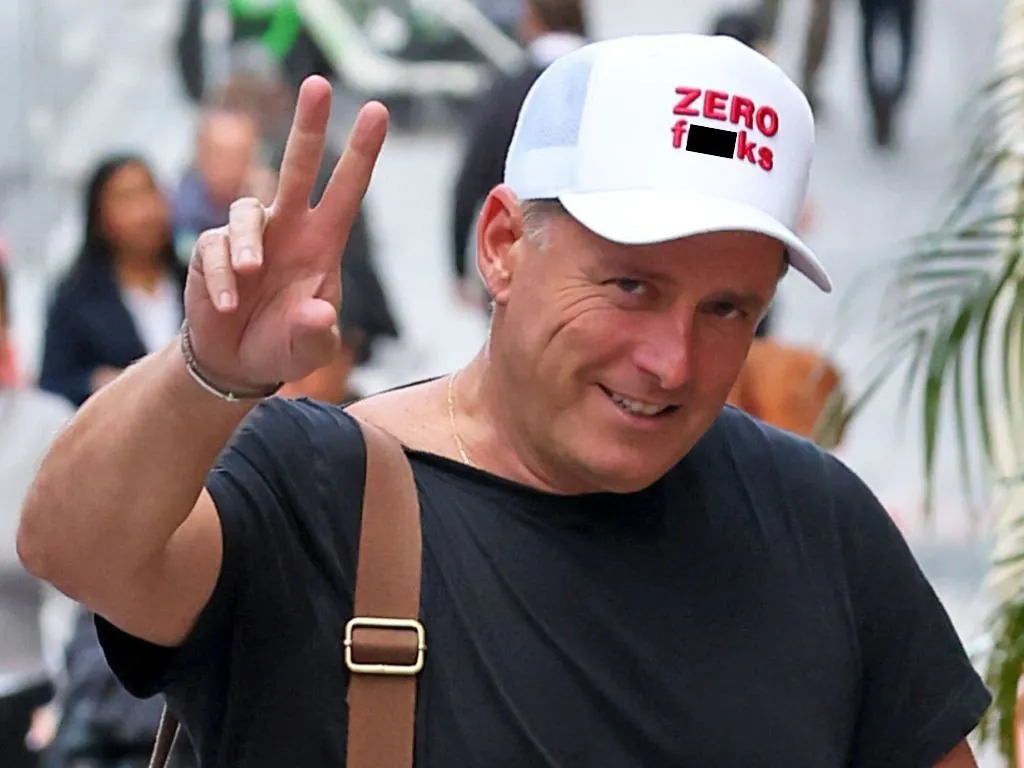
According to sources, Nine Network executives were blindsided by the content of Stefanovic’s podcast, which was initially pitched as a long-form interview-style show featuring conversations with interesting people, politicians, and celebrities.
However, the podcast quickly took a more divisive turn, with Stefanovic embracing a “I’m not right-wing, I’m just right” mantra that rubbed many within the network the wrong way.
Despite repeated warnings from higher-ups, Stefanovic refused to tone down his rhetoric, and the podcast’s popularity only seemed to embolden him further.
But it wasn’t just the podcast that sparked controversy.
Stefanovic’s apology for promoting the Covid-19 vaccine as part of a Nine campaign was seen as a problem, and his friendly interviews with figures like Pete Evans and Charlie Teo raised eyebrows within the network.
Evans, in particular, had been sharing incorrect public health information, and Stefanovic’s failure to ask tough questions was seen as a dereliction of journalistic duty.
The Media Watch argument that Stefanovic’s interview with Teo represented a conflict of interest, given his role as an ambassador for the Charlie Teo Foundation, only added to the perception that Stefanovic was no longer playing by the rules.
Then there was Stefanovic’s support for Australian soldier Ben Roberts-Smith, who has been charged with war crimes. Stefanovic’s social media post defending Roberts-Smith was seen as tone-deaf, particularly given Nine’s own history of reporting on the issue.
The network had previously won a defamation case against Roberts-Smith, who had sued Nine Newspapers and journalists Nick McKenzie and Chris Masters in 2018.
The final straw came when Stefanovic interviewed controversial far-right figure Tommy Robinson, failing to ask him any tough questions. Although Stefanovic chose to take down the episode, the damage was already done.
Nine had had enough, and the decision was made to cut ties with the TV star after 20 years of service.
Analysis: What This Means for Australia
Stefanovic’s sacking raises important questions about the limits of free speech and journalistic integrity in Australia.
While the network’s decision to cut ties with the TV star may be seen as an overreaction by some, it highlights the ongoing struggle to balance the need for open debate with the responsibility to uphold journalistic standards.
As the media landscape continues to evolve, it is clear that the old rules no longer apply, and networks must adapt to the changing times.
Security analysts say that the incident highlights the need for greater scrutiny of media personalities and their potential to shape public opinion.
“The lines between journalism and entertainment are increasingly blurred, and it’s up to networks to ensure that their personalities are held to the same standards as their journalists,” one analyst noted.
Law enforcement insiders warn that the rise of independent media platforms has created new challenges for regulators, who must navigate the complex landscape of online content.
“The Stefanovic case highlights the need for greater transparency and accountability in the media industry, particularly when it comes to online content,” an insider said.
Industry observers believe that the incident will have far-reaching consequences for the Australian media landscape, as networks and regulators grapple with the implications of the digital age.
“The Stefanovic case is a wake-up call for the industry, and it’s clear that the old rules no longer apply,” one observer noted. “It’s time for a new era of transparency and accountability in the media.”