
Deadly Siege Tragedy: Coroner Reveals Police Failures in Handling of Gunman Who Threatened Pregnant Wife and Officers
- A coroner’s inquest into the 2017 police siege at the Tollgate Motel in Adelaide has found that the death of gunman Matthew Kim Morgan was not preventable, but the incident could have been handled in a safer manner.
- Morgan, 24, was fatally shot by police after he threatened his pregnant wife and officers with a double-barrelled shotgun during a tense standoff.
- The State Coroner has criticised police for not accessing and sharing critical information about Morgan’s violent history, which may have led to a more cautious approach.
- The inquest has raised serious questions about police procedures and the handling of high-risk situations, with the Coroner suggesting that a more experienced team may have acted with more caution.
The death of Matthew Kim Morgan, a 24-year-old gunman who threatened his pregnant wife and police during a siege at the Tollgate Motel in Adelaide, was not preventable, a coroner’s inquest has found.
However, the State Coroner, David Whittle, has concluded that the incident could have been dealt with in a safer manner, highlighting a series of critical failures by police in the lead-up to the tragic event.
On October 21, 2017, Morgan was shot dead by police after a tense standoff at the motel, where he had been holding his pregnant wife hostage.
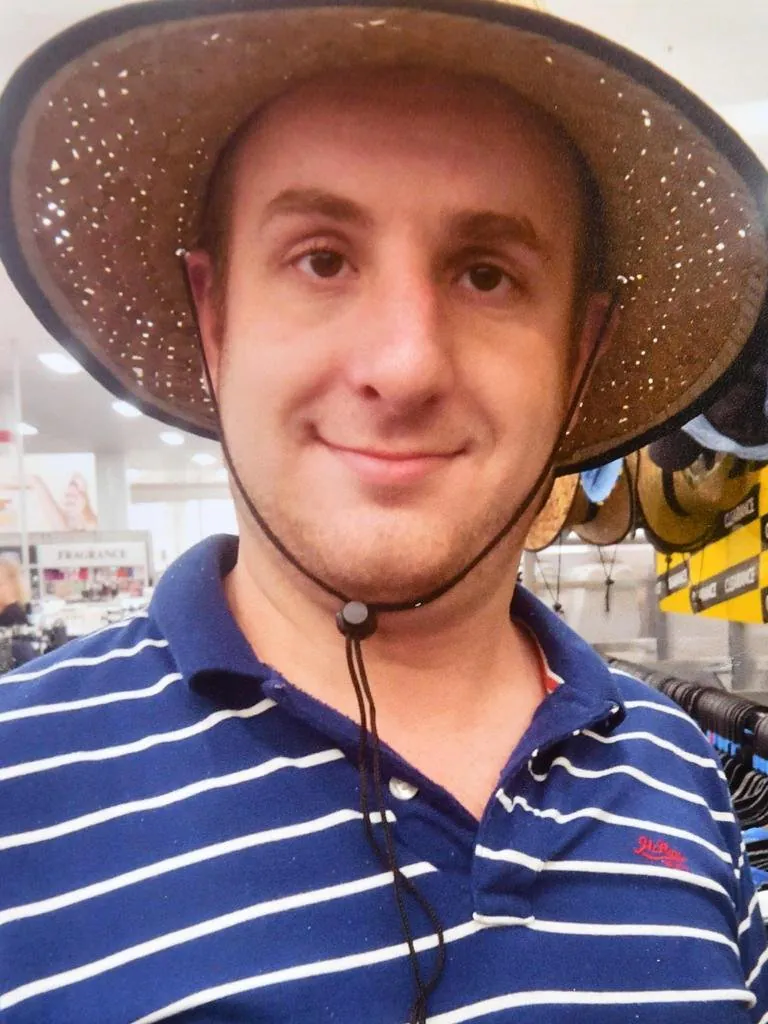
The inquest, which was held almost six years ago, has shed light on a series of alarming incidents that led up to the siege.
The day before the shooting, Morgan had given police a fake name when they arrived at his home, and he was later seen driving a white van, which was spotted by a patrol officer in an unmarked car.
When police attempted to stop the van, Morgan refused to comply and drove off, hitting the officer and causing him to fall and hit his head.
The next day, officers tracked Morgan and his wife to the Tollgate Motel, where the siege unfolded. Morgan yelled out that he had a hostage and pointed a double-barrelled shotgun at his wife’s head, prompting police to take action.
However, the inquest has revealed that police failed to access and share critical information about Morgan’s violent history, including an alleged firearms offence in 2015. The State Coroner has criticised police for not declaring the operation high-risk, despite Morgan’s lengthy criminal history and outstanding warrants in Queensland.
Analysis: What This Means for Australia
The inquest’s findings have serious implications for law enforcement and public safety in Australia.
The incident highlights the need for police to have access to critical information about individuals with violent histories, and to share this information effectively to ensure a safe and coordinated response.
The Coroner’s criticism of police procedures also raises questions about the training and experience of officers in handling high-risk situations.
Security analysts say that the incident underscores the importance of effective intelligence gathering and sharing between law enforcement agencies.
“This case highlights the need for police to have access to real-time information about individuals with violent histories, and to share this information effectively to ensure a safe and coordinated response,” says one expert.
Law enforcement insiders warn that the incident also raises concerns about the potential for police to be outgunned and outmanoeuvred by individuals with access to firearms.
“This case highlights the need for police to be equipped with the necessary training and resources to handle high-risk situations, including the use of firearms,” says another expert.
Industry observers believe that the incident will lead to a review of police procedures and training, with a focus on improving the handling of high-risk situations.
“This case will likely lead to a thorough review of police procedures and training, with a focus on improving the handling of high-risk situations and ensuring that officers have access to the necessary information and resources to keep themselves and the public safe,” says a spokesperson for the Australian Police Federation.