PILOT ‘DEATH DIVE’: Small Plane Crashes into Beijing’s Tallest Skyscraper in Bizarre Incident, Raising Fears of Lax Airspace Controls
- A small plane careened out of control and slammed into Beijing’s iconic CITIC Tower, sending shockwaves through the city’s business district and sparking widespread panic.
- The mysterious crash, which was scrubbed from China’s tightly-controlled social media, has raised serious concerns about the country’s airspace security and the ability of authorities to prevent such tragedies.
- The pilot, whose identity remains a mystery, appears to have deliberately flown the aircraft into the 108-story skyscraper, sparking a massive emergency response and prompting an investigation into the cause of the disaster.
In a stunning turn of events, a small plane crashed into Beijing’s tallest skyscraper, the CITIC Tower, on Friday evening, leaving a trail of destruction and raising serious questions about the country’s airspace security.
The Sunward SA 60L Aurora, which took off from an airport about 50km east of Beijing, headed westward before careening out of control and slamming into the iconic tower, also known as China Zun.
The incident, which occurred shortly before 6 pm local time, sent shockwaves through the city’s business district, with eyewitnesses describing the scene as “chaotic” and “surreal.” The flight path of the plane, which was tracked by global flight tracking service provider Flightradar24, showed the aircraft taking a deliberate path towards the skyscraper, fueling speculation that the pilot may have intentionally crashed the plane.
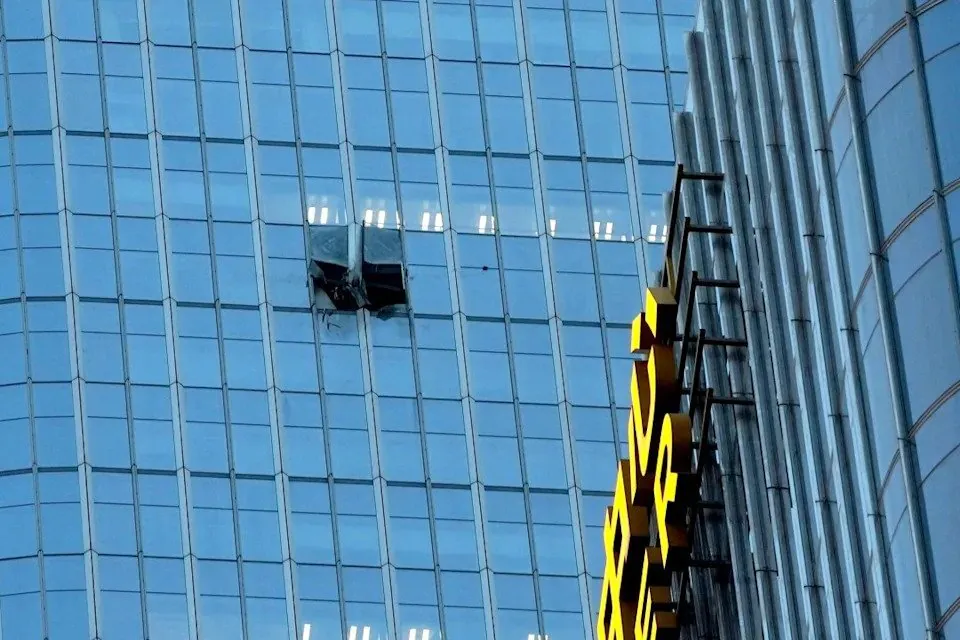
Despite the severity of the incident, Chinese authorities have remained tight-lipped, with no official statement issued and the crash scrubbed from state media and social media platforms.
However, footage and images of the incident have made their way outside of China’s firewall, circulating on overseas sites and providing a glimpse into the devastating aftermath.


The CITIC Tower, which rises more than 528m and is shaped like an ancient Chinese wine vessel, is one of the most recognizable skyscrapers in Beijing.
The building’s glass facade appears to have been breached, with images showing a gaping hole on one side of the tower.
A person working in the building, who spoke to The Associated Press on condition of anonymity, described the moment the aircraft crashed into the skyscraper, triggering a fire alarm and sending panicked workers fleeing for safety.
Analysis: What This Means for Australia
The incident raises serious concerns about the security of airspace in major cities, particularly in countries with strict controls like China.
While the cause of the crash remains unknown, the fact that a small plane was able to breach Beijing’s tightly regulated airspace and crash into a major skyscraper is a worrying sign.
For Australia, this incident highlights the need for continued vigilance in maintaining the security of our own airspace, particularly in light of the country’s growing reliance on air travel and the increasing threat of terrorism.
Security analysts say that the incident is a wake-up call for countries to review their airspace security protocols and ensure that adequate measures are in place to prevent such tragedies.
“This incident highlights the risks associated with airspace security and the need for countries to take proactive steps to prevent such incidents,” said one security expert.
“Australia must take note of this incident and review its own airspace security protocols to ensure that our skies remain safe and secure.”
Law enforcement insiders warn that the incident may have significant implications for counter-terrorism efforts, particularly in light of the increasing threat posed by lone-wolf attackers.
“This incident highlights the need for law enforcement agencies to remain vigilant and proactive in preventing such attacks,” said one insider. “Australia must continue to work closely with international partners to share intelligence and best practices in counter-terrorism efforts.”
As the investigation into the incident continues, one thing is clear: the crash of the small plane into Beijing’s CITIC Tower is a stark reminder of the risks associated with airspace security and the need for countries to take proactive steps to prevent such tragedies.
For Australia, this incident serves as a timely reminder of the importance of maintaining the security of our airspace and the need for continued vigilance in the face of evolving threats.
airspace security counter-terrorism Australian Transport Safety Bureau