
Shark-Infested Waters: NSW Invests $34 Million in Drone Surveillance to Protect Beachgoers from Deadly Attacks
- NSW government allocates $34 million for shark-spotting drones to provide year-round coverage at 70 beaches
- Expanded surveillance program includes trials of artificial intelligence shark detection systems
- NSW Premier Chris Minns says the program is the “most expensive” and largest of its kind in the world
- Recent shark attack at Coogee Beach sparks concerns about beach safety and the need for increased surveillance
The NSW government has announced a major investment in shark-spotting drones to provide year-round coverage at 70 beaches across the state. The $34 million allocation is part of a $120 million shark mitigation program aimed at reducing the risk of shark attacks and improving beach safety.
The expanded surveillance program will include daily flights from December 1 to April 30 and weekend flights throughout the year, prioritizing beaches with high numbers of swimmers and surfers.
The program also includes trials of two new artificial intelligence shark detection systems, which will be tested over the coming summer.
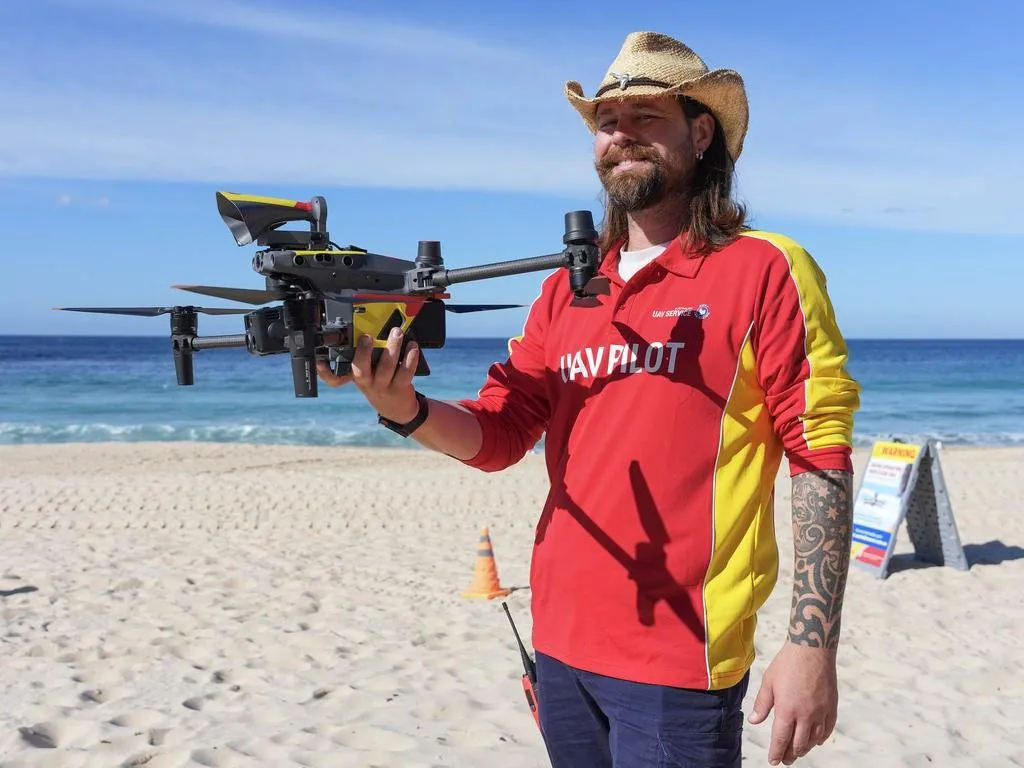
NSW Premier Chris Minns said the program is the “most expensive” and largest of its kind in the world, and will provide “extra detection of shark warnings in NSW beaches earlier.” The premier acknowledged that the increased surveillance may lead to more shark alarms, but emphasized that this does not mean there are more sharks in the water, but rather that the drones are spotting them earlier and warning swimmers and surfers to get out of the water.
The announcement comes two weeks after a suspected white shark attack at Coogee Beach left a 34-year-old woman critically injured. The incident sparked concerns about beach safety and the need for increased surveillance.
Surf Life Saving NSW CEO Steve Pearce said the surveillance program is the “largest ever funding commitment to shark management in Australia” and will result in 500,000 drone flights each year.
Analysis: What This Means for Australia
The NSW government’s investment in shark-spotting drones is a significant step towards improving beach safety and reducing the risk of shark attacks. However, the program also raises questions about the effectiveness of shark mitigation measures and the impact on the environment.
Security analysts say that the use of drones and artificial intelligence can be an effective way to detect and prevent shark attacks, but it is not a foolproof solution.
Law enforcement insiders warn that the increased surveillance may also lead to an increase in shark sightings and alarms, which could have a negative impact on the tourism industry.
Industry observers believe that the NSW government’s investment in shark-spotting drones is a positive step towards improving beach safety, but more needs to be done to address the root causes of shark attacks.
They argue that the government should also invest in education and awareness programs to teach the public about shark safety and how to prevent encounters with sharks.
Additionally, the government should consider implementing measures to reduce the number of sharks in the water, such as culling bull sharks, which are not protected.
As the NSW government continues to invest in shark mitigation measures, it is essential to consider the broader implications of these efforts.
The use of drones and artificial intelligence can be an effective way to detect and prevent shark attacks, but it is not a substitute for human lifeguards and surf lifesavers.
The government must also ensure that the surveillance program is transparent and accountable, and that the data collected is used to inform policy and decision-making.
Ultimately, the NSW government’s investment in shark-spotting drones is a step in the right direction towards improving beach safety and reducing the risk of shark attacks.
However, more needs to be done to address the root causes of shark attacks and to ensure that the surveillance program is effective and sustainable in the long term.