
Tasmania’s Watered-Down Gun Laws: A ‘Lobbyist’s Dream’ That Puts Community Safety at Risk
- Proposed legislation introduces tougher penalties for gun theft and possession, but fails to limit the number of firearms an individual can own
- Police Commissioner and gun safety advocates had pushed for a gun cap, but the government refused, citing a focus on ‘law-abiding licence holders’
- Retired paramedic who attended the Port Arthur massacre warns that access to guns, not just caps, is the major concern
- Labor opposition and gun safety groups slam the draft bill as ‘overdue’ and ‘not going far enough’ to improve community safety
The Tasmanian government’s proposed gun laws have been met with widespread criticism for not going far enough to address community safety concerns.
The draft legislation, open for public consultation until August 7, introduces tougher penalties for gun theft and possession, but fails to limit the number of firearms an individual can own.
This move has been slammed by Police Commissioner and gun safety advocates, who had pushed for a gun cap. The government’s decision has been labelled a ‘lobbyist’s dream’ by Australian Gun Safety Alliance convenor Stephen Bendle.
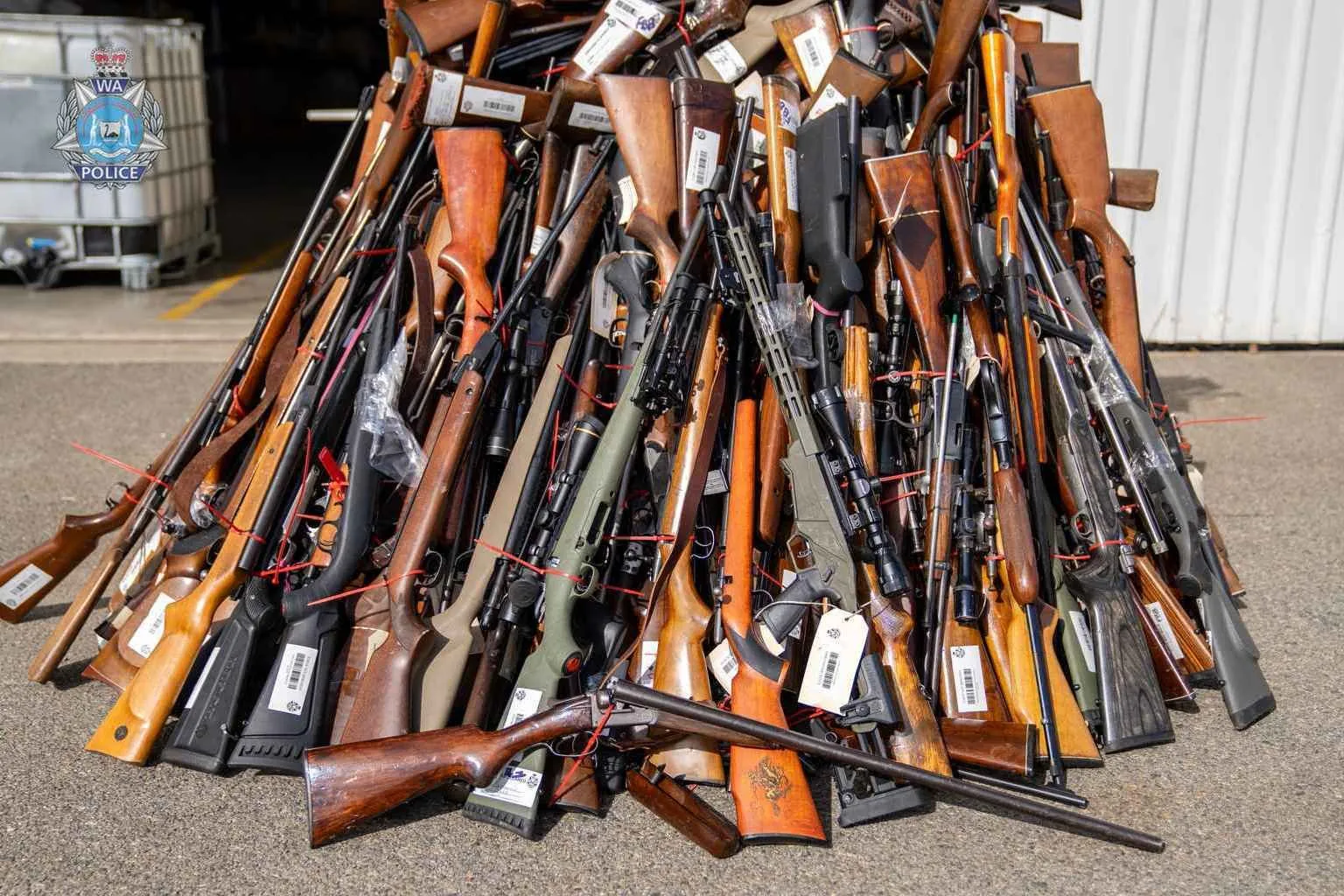
The proposed legislation comes in the wake of last year’s antisemitic terror attack in Bondi, which claimed 15 lives.
The federal government had urged all states and territories to implement a National Firearms Register and tighten firearm laws, including reclassifying certain types of weapons and requiring Australian citizenship to obtain a gun licence.
However, Tasmania’s draft bill falls short of these expectations, with Police Minister Felix Ellis stating that the government’s focus is on ‘keeping firearms out of the hands of terrorists and criminals, not penalising law-abiding licence holders’.
The proposed amendments would introduce a range of reforms, including increased penalties for people who steal firearms or are in possession of stolen guns. Individuals convicted of such offences would face a mandatory minimum jail term of three months.
However, the lack of a gun cap has been met with disappointment from gun safety advocates, who argue that it is a crucial measure to prevent firearms from falling into the wrong hands.
Analysis: What This Means for AustraliaThe Tasmanian government’s proposed gun laws have significant implications for Australia’s national security and community safety.
By failing to limit the number of firearms an individual can own, the government is potentially putting the community at risk.
Security analysts warn that this move could lead to an increase in gun-related crimes and accidents, particularly in rural areas where firearms are often used for legitimate purposes.
Furthermore, the lack of a gun cap undermines the federal government’s efforts to implement a National Firearms Register. This register is crucial in tracking the movement of firearms and preventing them from falling into the wrong hands.
By not implementing a gun cap, Tasmania is essentially creating a loophole that could be exploited by criminals and terrorists. Law enforcement insiders warn that the proposed legislation does not go far enough in addressing the issue of access to firearms.
They argue that the current laws are too lenient and allow individuals to accumulate large numbers of firearms, which can then be stolen or used for illicit purposes.
The Tasmanian government’s decision to not implement a gun cap has also been met with criticism from the Labor opposition, who argue that it is a ‘cop-out’.
They claim that the government is more interested in appeasing the gun lobby than in addressing the concerns of the community. Expert commentary suggests that the proposed legislation is a missed opportunity to improve community safety.
“If the gun lobby had the chance to write legislation, this would be it,” said Stephen Bendle, Australian Gun Safety Alliance convenor.
“We need the government to step up and make all of the preventative enhancements to the legislation that they can make.”
In conclusion, the Tasmanian government’s proposed gun laws are a watered-down version of what is needed to address community safety concerns.
The lack of a gun cap is a significant oversight that could have serious consequences for Australia’s national security and community safety. It is imperative that the government revisits this decision and implements a gun cap to prevent firearms from falling into the wrong hands.
The Tasmanian government’s proposed gun laws have been met with widespread criticism for not going far enough to address community safety concerns. The draft legislation, open for public consultation until August 7, introduces tougher penalties for gun theft and possession, but fails to limit the number of firearms an individual can own. This move has been slammed by Police Commissioner and gun safety advocates, who had pushed for a gun cap. The government’s decision has been labelled a ‘lobbyist’s dream’ by Australian Gun Safety Alliance convenor Stephen Bendle.
The proposed legislation comes in the wake of last year’s antisemitic terror attack in Bondi, which claimed 15 lives. The federal government had urged all states and territories to implement a National Firearms Register and tighten firearm laws, including reclassifying certain types of weapons and requiring Australian citizenship to obtain a gun licence. However, Tasmania’s draft bill falls short of these expectations, with Police Minister Felix Ellis stating that the government’s focus is on ‘keeping firearms out of the hands of terrorists and criminals, not penalising law-abiding licence holders’.
The proposed amendments would introduce a range of reforms, including increased penalties for people who steal firearms or are in possession of stolen guns. Individuals convicted of such offences would face a mandatory minimum jail term of three months. However, the lack of a gun cap has been met with disappointment from gun safety advocates, who argue that it is a crucial measure to prevent firearms from falling into the wrong hands.
The Tasmanian government’s proposed gun laws have significant implications for Australia’s national security and community safety. By failing to limit the number of firearms an individual can own, the government is potentially putting the community at risk. Security analysts warn that this move could lead to an increase in gun-related crimes and accidents, particularly in rural areas where firearms are often used for legitimate purposes.
Furthermore, the lack of a gun cap undermines the federal government’s efforts to implement a National Firearms Register. This register is crucial in tracking the movement of firearms and preventing them from falling into the wrong hands. By not implementing a gun cap, Tasmania is essentially creating a loophole that could be exploited by criminals and terrorists.
Law enforcement insiders warn that the proposed legislation does not go far enough in addressing the issue of access to firearms. They argue that the current laws are too lenient and allow individuals to accumulate large numbers of firearms, which can then be stolen or used for illicit purposes.
The Tasmanian government’s decision to not implement a gun cap has also been met with criticism from the Labor opposition, who argue that it is a ‘cop-out’. They claim that the government is more interested in appeasing the gun lobby than in addressing the concerns of the community.
Expert commentary suggests that the proposed legislation is a missed opportunity to improve community safety. “If the gun lobby had the chance to write legislation, this would be it,” said Stephen Bendle, Australian Gun Safety Alliance convenor. “We need the government to step up and make all of the preventative enhancements to the legislation that they can make.”
In conclusion, the Tasmanian government’s proposed gun laws are a watered-down version of what is needed to address community safety concerns. The lack of a gun cap is a significant oversight that could have serious consequences for Australia’s national security and community safety. It is imperative that the government revisits this decision and implements a gun cap to prevent firearms from falling into the wrong hands.