Wild Weather Wreaks Havoc Across Australia’s Southeast: Millions Warned to Batten Down as Floods and Storms Lash the Region
- Millions of Australians are bracing for the worst as a severe weather event brings damaging winds, heavy rainfall, and flash flooding to the southeast
- The Bureau of Meteorology has issued multiple warnings, with some areas expecting gusts of up to 125km/h and rainfall totals of 100mm or more
- Residents in New South Wales, Victoria, and Tasmania are advised to prepare for the worst, with flood watches and warnings in place for several regions
- The severe weather event is expected to peak on Wednesday evening, with winds easing on Thursday morning, but not before causing widespread disruption
The southeast of Australia is in for a wild ride as a severe weather event sweeps across the region, bringing with it damaging winds, heavy rainfall, and flash flooding.
The Bureau of Meteorology has issued multiple warnings, with residents in New South Wales, Victoria, and Tasmania advised to batten down and prepare for the worst.
The worst of the weather is expected to hit on Wednesday evening, with the Bureau predicting gusts of up to 125km/h and rainfall totals of 100mm or more in some areas.
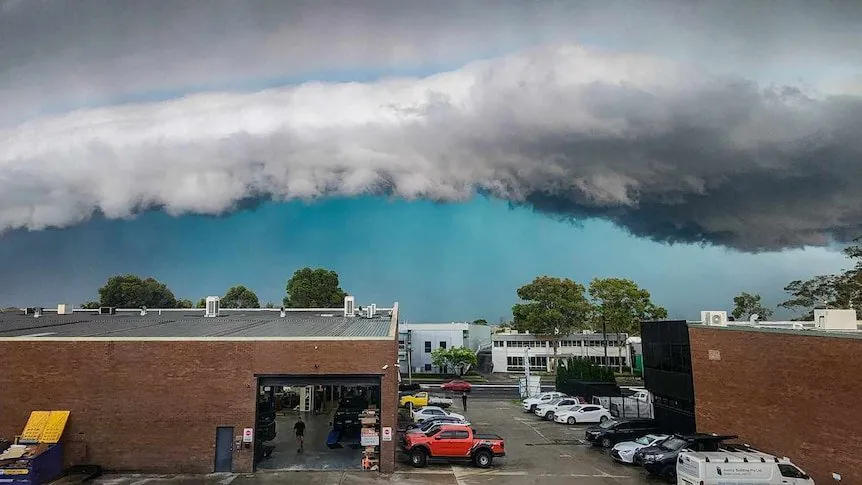
The severe weather warning for damaging winds has been issued for multiple states, including New South Wales, Victoria, and Tasmania.
In New South Wales, the warning includes parts of the South West Slopes, Snowy Mountains, ACT, and Southern Tablelands, with locations such as Mount Ginini, Thredbo, Tidbinbilla, and Perisher Valley likely to be affected.

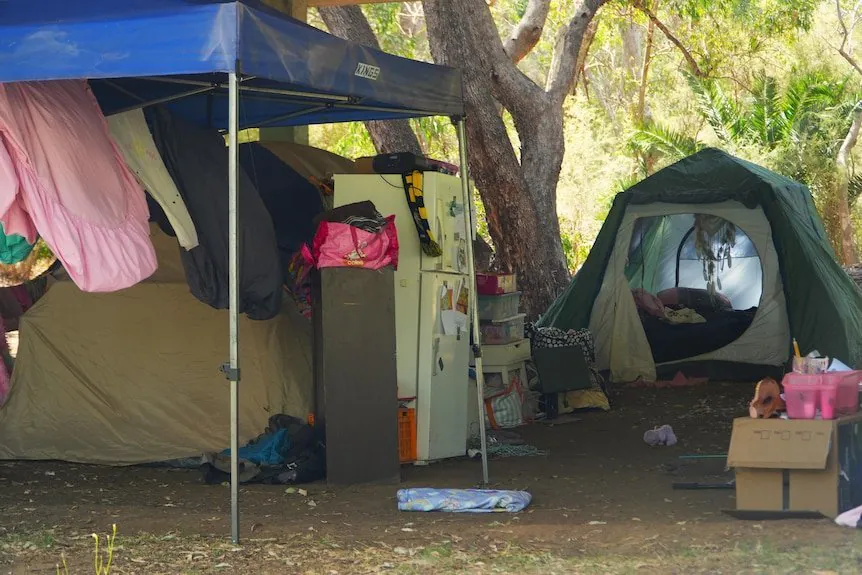


In Victoria, the warning includes central parts of the state, as well as East and South Gippsland. A cold front is expected to approach during the afternoon and evening, bringing strong north to northwesterly winds over elevated areas.
Damaging wind gusts of around 90km/h are possible, with peak gusts of around 120km/h likely to develop during the evening.
A flood watch is also active for parts of north-east and central Victoria, with forecasters warning of widespread showers and thunderstorms.
Moderate to heavy rainfall has been recorded across the northeast of Victoria since Monday, causing river level rises and minor flooding in the Seven Creeks and Kiewa, King, and Goulburn River catchments.
Further widespread moderate rainfall is forecast across northeast and central Victoria from Wednesday into Friday, which may result in minor to moderate flooding across the Flood Watch area.
The situation is being closely monitored, and Flood Warnings will be issued as required. A flood watch is also in place for northern Tasmania, with recent rainfall causing creek and river level rises expected to continue until Saturday.
Minor flood warnings are current for the North Esk, South Esk, Meander, and Macquarie catchments.
So, what does this mean for Australia? The severe weather event is a timely reminder of the country’s vulnerability to extreme weather events.
As the climate continues to change, Australians can expect to see more frequent and intense weather events, putting a strain on emergency services and infrastructure.
Analysis: What This Means for Australia
The severe weather event highlights the need for Australians to be prepared for extreme weather events. With climate change expected to increase the frequency and intensity of such events, it’s essential that residents take steps to protect themselves and their properties.
This includes having a emergency kit, staying informed about weather conditions, and having a plan in place in case of evacuation.
Security analysts say that the severe weather event also highlights the importance of investing in disaster resilience and preparedness measures. This includes upgrading infrastructure, such as levees and drainage systems, to better withstand extreme weather events.
It also includes investing in emergency services, such as the SES and fire departments, to ensure they have the resources and personnel needed to respond to disasters.
Law enforcement insiders warn that the severe weather event also poses a risk to public safety, particularly in areas where flooding is expected. Residents are advised to stay indoors and avoid traveling unless absolutely necessary.
The Australian Government has also activated its emergency response protocols, with officials working closely with state and local authorities to coordinate the response effort.
Industry observers believe that the severe weather event will also have significant economic impacts, particularly in areas where agriculture and tourism are major industries. The event is expected to disrupt supply chains, damage crops, and impact tourist destinations, resulting in significant economic losses.
As the severe weather event continues to unfold, Australians are advised to stay informed and take necessary precautions to stay safe.
With the climate expected to continue to change, it’s essential that the country takes a proactive approach to disaster resilience and preparedness to minimize the impacts of extreme weather events.
climate change disaster resilience emergency services Bureau of Meteorology Australian Government