Albanese Government Slammed for Rejecting UN Recommendations on LGBTQIA+ Rights Amidst Growing Criticism
- UN Human Rights Council review process reveals Australia’s shocking refusal to accept any recommendations for LGBTQIA+ community
- Government’s decision sparks outrage among advocates, who say it’s a ‘missed opportunity’ for equality and human rights
- Albanese government’s pro-LGBTQIA+ credentials called into question despite Prime Minister’s high-profile support for the community
- Experts warn of growing gap between Australia’s international commitments and domestic practice on human rights
The Albanese government has faced intense backlash for rejecting all eight recommendations from the United Nations Human Rights Council (UNHRC) aimed at improving the lives of LGBTQIA+ Australians.
This shocking move has been met with widespread criticism from advocacy groups, who argue that it undermines the government’s pro-LGBTQIA+ stance and jeopardises Australia’s standing as a leader in human rights.
The UN’s Universal Periodic Review (UPR) process is a critical examination of each member state’s human rights record, conducted every four and a half years. In its latest review, more than 120 UN member states made recommendations for improving Australia’s human rights protections, including specific suggestions for the LGBTQIA+ community.
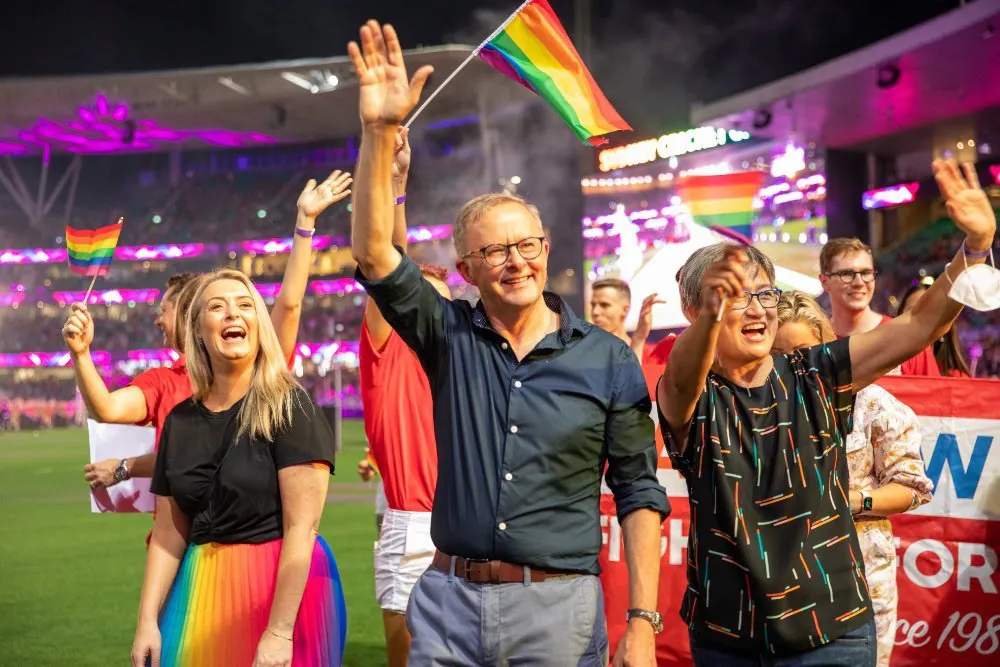
However, the Albanese government chose to reject all eight recommendations, leaving many in the community feeling disappointed and betrayed.
Among the rejected recommendations were calls for greater inclusivity and recognition of LGBTQIA+ individuals, as well as measures to address the ongoing struggles faced by the community, including discrimination and violence.

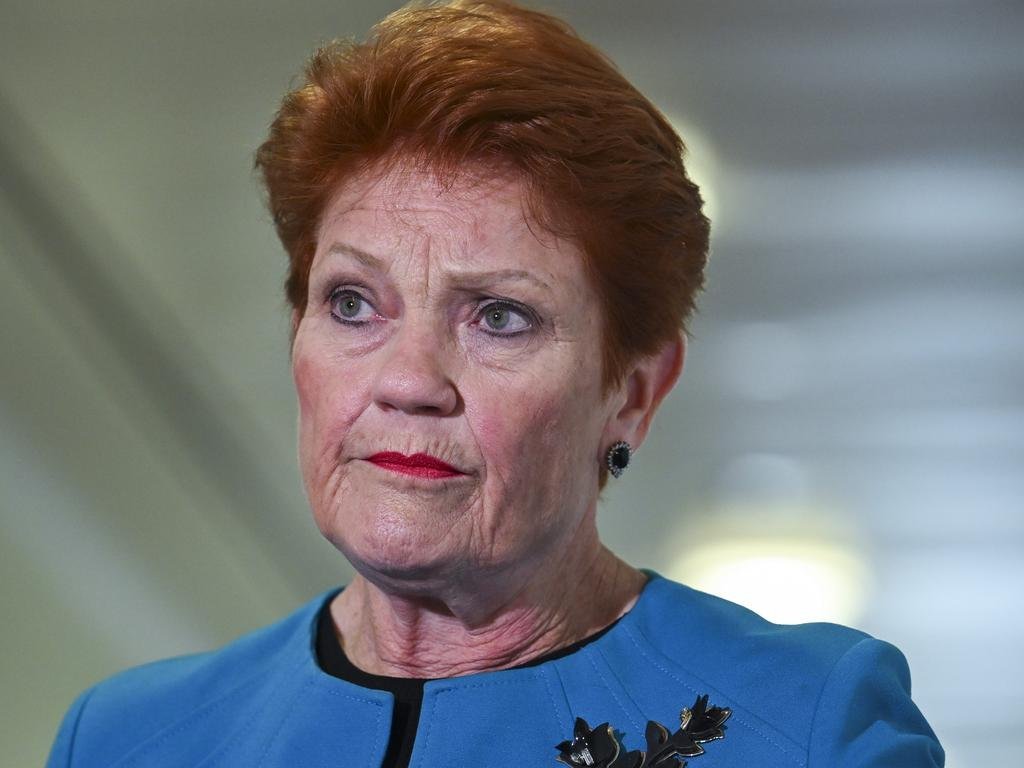


Savanh Tanhchareun, a spokesperson for Equality Australia, expressed his outrage at the government’s decision, stating that it was a ‘missed opportunity’ to demonstrate a commitment to equality, safety, and dignity for all Australians.
The Albanese government has consistently campaigned on its pro-LGBTQIA+ credentials, with Prime Minister Anthony Albanese making history in 2023 as the first sitting prime minister to march in the Sydney Gay and Lesbian Mardi Gras parade.
However, this visible support has not translated into meaningful action, with many in the community feeling that the government is not doing enough to address the systemic issues they face.
Analysis: What This Means for Australia
The government’s rejection of the UN recommendations has significant implications for Australia’s human rights record and its reputation on the international stage.
As Human Rights Watch notes, the government’s acceptance rate of just 38 per cent is the lowest since Australia began participating in the UPR process over 20 years ago.
This lack of commitment to human rights is particularly concerning in the context of Australia’s role in the Asia-Pacific region, where it is seen as a leader in promoting democracy and human rights.
Experts warn that the growing gap between Australia’s international commitments and domestic practice on human rights is a major concern.
“The government’s lack of response to these recommendations underscores growing concerns around the commitments of our national, state and territory governments to transparency and accountability,” said Acting Australian Human Rights Commission (AHRC) president Anna Cody.
“This means the gap between our international commitments and our domestic practice is growing rather than narrowing, jeopardising our standing as a leader in human rights, particularly in our region.”
Security analysts say that the government’s rejection of the UN recommendations is a missed opportunity to address the ongoing struggles faced by the LGBTQIA+ community, including discrimination and violence.
“The government’s decision sends a worrying message to the community that their rights and safety are not a priority,” said one analyst. “This lack of commitment to human rights can have serious consequences, including increased marginalisation and vulnerability to violence and abuse.”
As the government continues to face criticism for its handling of LGBTQIA+ rights, it remains to be seen whether it will take meaningful action to address the concerns of the community.
One thing is clear, however: the government’s rejection of the UN recommendations is a significant setback for human rights in Australia, and it will take more than just rhetoric to restore the community’s trust.