
‘Terra Firma Shaken’: Victoria’s South-West Coast Rocked by Surprise 3.8 Magnitude Earthquake as Millions of Tourists Flock to Great Ocean Road
- Vic’s south-west coastline hit by surprise 3.8 magnitude earthquake, sending shockwaves to Melbourne and Geelong
- More than 60 felt reports logged with Geoscience Australia, with residents describing violent shaking and loud rumbling
- Millions of tourists visiting the iconic Great Ocean Road caught off guard, with many taking to social media to share their experiences
- Experts warn that Australia is not immune to earthquakes, with stress in the earth’s crust capable of triggering tremors at any time
At 1:40pm on a typical afternoon, the picturesque towns along Victoria’s south-west coast were shaken to their core. A 3.8 magnitude earthquake struck near the Great Ocean Road, sending shockwaves to nearby cities and leaving residents stunned.
The quake, which occurred at a depth of 10 kilometres, was felt by millions of people, including those in Melbourne and Geelong.
For Helena Hunt, who lives in Ferguson, about 60 kilometres east of Port Campbell in the Otways, the experience was nothing short of terrifying. “Everything in my house violently shook for a few seconds,” she said.
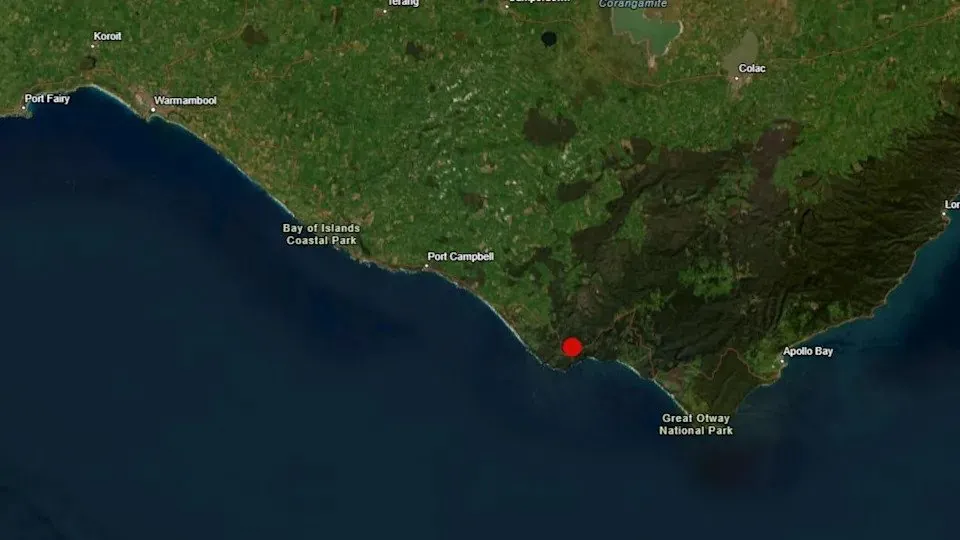
“I just thought, ‘What the hell was that?’ This is only the second time in my whole life that I’ve experienced an earthquake.” Dozens of residents took to social media to share their own experiences, with many describing the violent shaking and loud rumbling that accompanied the quake.
According to Geoscience Australia, the earthquake was not an isolated incident.
Seismologist Michelle Salmon explained that earthquakes happen in Australia more often than people think, albeit typically smaller in magnitude compared to countries like New Zealand or Japan.
“This particular area [in Victoria] there aren’t that many … but there’s been a few up in the Otways region,” she said.
So, what triggers these earthquakes? According to Salmon, Australia may not be on a tectonic plate boundary, but there is still a significant amount of stress in the earth’s crust.
“If those things change, then we can see earthquakes,” she warned.
“There could be a stress that’s been there for a long time and it’s just sitting there; something small can happen, and the earthquake will pop off.” The largest earthquake Australia has seen was a 6.6 magnitude in Tennant Creek in the Northern Territory in the 1980s, which damaged a large gas pipeline and highlighted the potential risks associated with seismic activity.
Analysis: What This Means for Australia
The earthquake serves as a stark reminder that Australia is not immune to seismic activity. While the country may not be located on a tectonic plate boundary, the stress in the earth’s crust can still trigger earthquakes at any time.
This has significant implications for national security, particularly in regions prone to earthquakes.
Law enforcement and emergency services must be prepared to respond quickly and effectively in the event of a major earthquake, which could impact critical infrastructure and put lives at risk.
Security analysts say that the earthquake highlights the need for Australia to invest in disaster preparedness and mitigation strategies. “Earthquakes can happen at any time, and it’s crucial that we’re prepared to respond,” said one expert.
“This includes having robust emergency response plans in place, as well as investing in infrastructure that can withstand seismic activity.”
For the millions of tourists visiting the Great Ocean Road each year, the earthquake serves as a reminder to be prepared for the unexpected. While the quake was relatively small in magnitude, it still caused significant disruption and highlights the importance of being aware of one’s surroundings.
As the region continues to attract visitors from around the world, it’s essential that authorities prioritize disaster preparedness and ensure that the necessary measures are in place to respond to any future seismic activity.
Geoscience Australia