
Exposed: The Albanese Government’s Housing Reforms – a Desperate Gamble with Australia’s Future
- Prime Minister Anthony Albanese faces backlash over tax reforms that could worsen the housing crisis and betray election promises.
- Australia’s property sector warns of a massive investor exodus, rental shortages, and skyrocketing rents.
- The government’s last-minute revisions to shield small businesses and affordable housing providers have done little to quell the controversy.
- As Labor’s popularity plummets, the Opposition seizes on the broken promises, accusing the government of pursuing an agenda Australians did not vote for.
The Albanese government’s contentious tax reforms have sparked a firestorm of criticism, with the Prime Minister facing accusations of breaking election promises and sparking a housing crisis.
In a defiant speech to party faithful in Sydney, Mr Albanese dismissed critics as “barely coherent” and claimed his government’s reforms would give first-home buyers a “fair crack” at the market.
But the reality on the ground tells a different story. The government’s changes to negative gearing and capital gains tax have been met with fierce resistance from the property sector, landlords, and the Coalition.
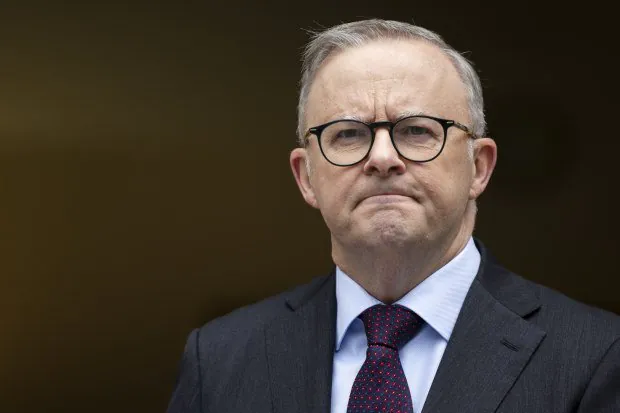
The reforms, which restrict negative gearing to new builds and scrap the flat 50 per cent capital gains tax discount, are seen as a desperate attempt to address the housing crisis.
But critics argue that the changes will only exacerbate the problem, triggering a massive investor exodus, drying up rental stock, and forcing landlords to hike rents to cover their un-deductible losses.
As the controversy deepens, the Albanese government is facing a growing backlash from voters who feel betrayed by the broken promises.
The Prime Minister’s repeated assurances during last year’s federal election that he would not touch negative gearing or capital gains tax have been exposed as empty rhetoric.
The Coalition has seized on the controversy, accusing the government of pursuing an agenda that Australians did not vote for.
Analysis: What This Means for Australia
The Albanese government’s tax reforms have significant implications for Australia’s housing market, economy, and society.
The changes could lead to a shortage of rental properties, forcing low-income families and vulnerable Australians into a desperate search for affordable housing. The reforms also threaten to stifle new developments, as investors shy away from the market.
This could have long-term consequences for Australia’s economy, as the construction industry is a significant driver of growth and employment. Security analysts warn that the reforms could also have national security implications, as foreign investors may be deterred from investing in the Australian property market.
This could lead to a decrease in foreign investment, which could have far-reaching consequences for Australia’s economy and national security.
Law enforcement insiders also express concerns that the reforms could lead to an increase in rental scams and exploitation, as desperate tenants are forced to seek out alternative accommodation.
This could put vulnerable Australians at risk of exploitation and abuse. Industry observers believe that the reforms could also have significant economic consequences, as the construction industry is a significant driver of growth and employment.
A slowdown in the construction industry could lead to job losses and economic instability. The Albanese government’s tax reforms have sparked a fierce debate about the future of Australia’s housing market.
While the government claims the reforms will give first-home buyers a “fair crack” at the market, critics argue that the changes will only exacerbate the problem.
As the controversy deepens, one thing is clear: the government’s reforms have significant implications for Australia’s housing market, economy, and society.
housing crisis continues to worsen, with many Australians struggling to find affordable housing. The Albanese government’s tax reforms have been touted as a solution to the crisis, but critics argue that the changes will only make things worse.
As the debate rages on, one thing is clear: the future of Australia’s housing market hangs in the balance.
Australian Bureau of Statistics data shows that the housing affordability crisis is a major concern for many Australians. The Albanese government’s tax reforms have been designed to address this issue, but critics argue that the changes will only exacerbate the problem.
As the controversy deepens, one thing is clear: the government’s reforms have significant implications for Australia’s housing market and economy.
The Australian economy is heavily reliant on the construction industry, which is a significant driver of growth and employment. A slowdown in the construction industry could lead to job losses and economic instability, which would have far-reaching consequences for Australia’s economy and society.
The Albanese government’s contentious tax reforms have sparked a firestorm of criticism, with the Prime Minister facing accusations of breaking election promises and sparking a housing crisis. In a defiant speech to party faithful in Sydney, Mr Albanese dismissed critics as “barely coherent” and claimed his government’s reforms would give first-home buyers a “fair crack” at the market. But the reality on the ground tells a different story.
The government’s changes to negative gearing and capital gains tax have been met with fierce resistance from the property sector, landlords, and the Coalition. The reforms, which restrict negative gearing to new builds and scrap the flat 50 per cent capital gains tax discount, are seen as a desperate attempt to address the housing crisis. But critics argue that the changes will only exacerbate the problem, triggering a massive investor exodus, drying up rental stock, and forcing landlords to hike rents to cover their un-deductible losses.
As the controversy deepens, the Albanese government is facing a growing backlash from voters who feel betrayed by the broken promises. The Prime Minister’s repeated assurances during last year’s federal election that he would not touch negative gearing or capital gains tax have been exposed as empty rhetoric. The Coalition has seized on the controversy, accusing the government of pursuing an agenda that Australians did not vote for.
Analysis: What This Means for Australia
The Albanese government’s tax reforms have significant implications for Australia’s housing market, economy, and society. The changes could lead to a shortage of rental properties, forcing low-income families and vulnerable Australians into a desperate search for affordable housing. The reforms also threaten to stifle new developments, as investors shy away from the market. This could have long-term consequences for Australia’s economy, as the construction industry is a significant driver of growth and employment.
Security analysts warn that the reforms could also have national security implications, as foreign investors may be deterred from investing in the Australian property market. This could lead to a decrease in foreign investment, which could have far-reaching consequences for Australia’s economy and national security.
Law enforcement insiders also express concerns that the reforms could lead to an increase in rental scams and exploitation, as desperate tenants are forced to seek out alternative accommodation. This could put vulnerable Australians at risk of exploitation and abuse.
Industry observers believe that the reforms could also have significant economic consequences, as the construction industry is a significant driver of growth and employment. A slowdown in the construction industry could lead to job losses and economic instability.
The Albanese government’s tax reforms have sparked a fierce debate about the future of Australia’s housing market. While the government claims the reforms will give first-home buyers a “fair crack” at the market, critics argue that the changes will only exacerbate the problem. As the controversy deepens, one thing is clear: the government’s reforms have significant implications for Australia’s housing market, economy, and society.