
‘Monstrous Crime’: Mother Charged with Domestic Violence Murder of Four-Year-Old Son as Cops Investigate Cannibalism Claims on NSW Central Coast
- A 32-year-old mother on the NSW Central Coast has been charged with domestic violence murder after her four-year-old son was found dead in their unit.
- Police are investigating allegations of cannibalism in the child’s death, with the mother’s mouth swabbed for forensic evidence.
- The case has sparked outrage, with the Shadow Minister for Families and Communities slamming the government over chronic understaffing and unsustainable workloads in child protection services.
- The matter is set to return to court in September, with the community left reeling from the ‘horrific’ crime.
The discovery of a four-year-old boy’s lifeless body in a Wyong unit has sent shockwaves through the community, with his mother now facing domestic violence murder charges.
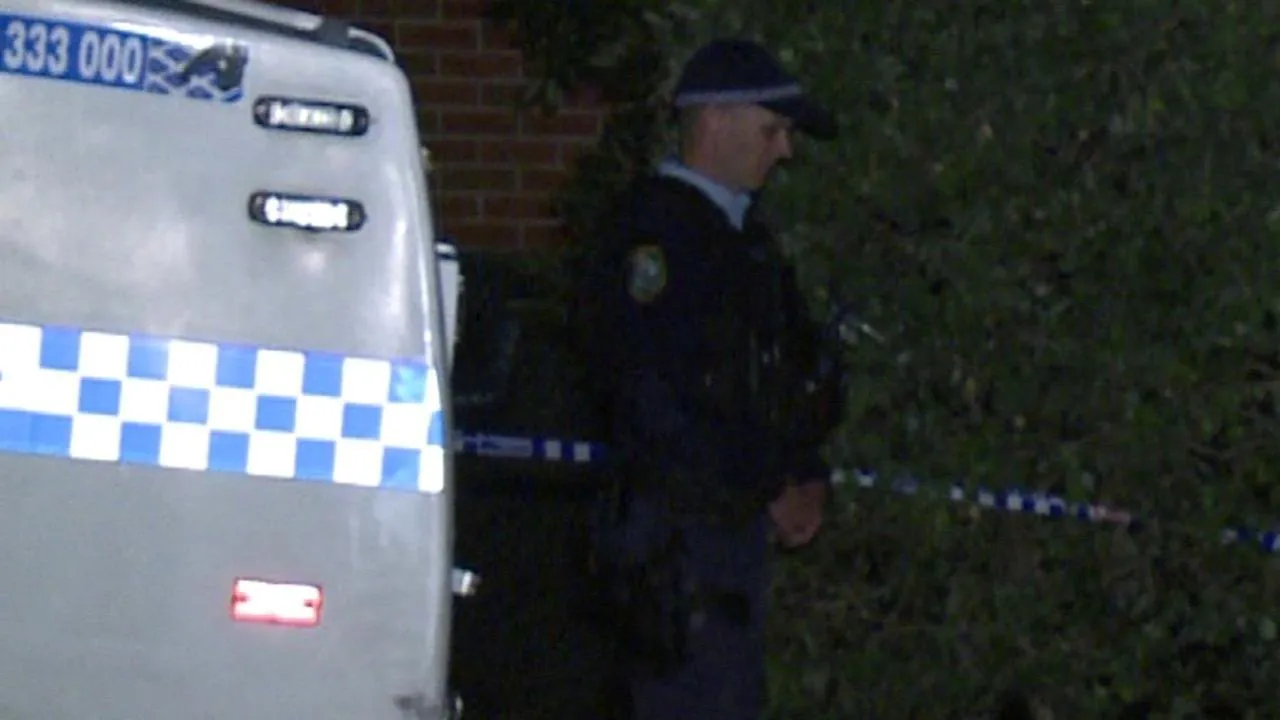
The 32-year-old woman, who cannot be named, walked into the Wyong Police Station on Saturday, prompting a welfare check that would lead to the gruesome find.
As officers searched the unit, they found the child’s body, sparking an investigation that has left even seasoned police officers shaken. Superintendent Chad Gillies from the Tuggerah Lakes District described the scene as ‘extremely confronting’, with the child suffering injuries that have not been publicly disclosed.
The mother’s arrest and subsequent charging have raised more questions than answers, with the community demanding to know how this tragedy could have occurred. Police have confirmed that the woman was known to them, and that she and the child lived together at the unit.
As the investigation unfolds, police are exploring the possibility of cannibalism, with a court order granting them permission to forensically examine the mother’s mouth and obtain samples of her internal mouth contents and forensic material.
The move has sparked widespread outrage, with many taking to social media to express their disgust and horror.
But as the community grapples with the enormity of the crime, attention is turning to the role of child protection services in the lead-up to the tragedy.
The NSW Department of Communities and Justice (DCJ) has confirmed that it had previous contact with the family, but has refused to comment further, citing the ongoing police investigation.
Shadow Minister for Families and Communities Natasha Maclaren-Jones has seized on the case, slamming the government over chronic understaffing and unsustainable workloads in child protection services.
‘We know thousands of children reported at risk are going unseen because there simply are not enough caseworkers to assess them,’ she said.
Frontline staff are doing everything they can under chronic understaffing and unsustainable workloads, but the system is being pushed beyond its limits. The death of this child raises serious questions about the government’s priorities and its ability to keep our most vulnerable citizens safe.
Analysis: What This Means for Australia
This tragic case has significant implications for Australia’s national security and law enforcement. It highlights the need for increased investment in child protection services and the importance of addressing chronic understaffing and unsustainable workloads in these critical roles.
Security analysts say that the case also raises concerns about the effectiveness of current domestic violence measures and the need for a more proactive approach to identifying and supporting at-risk families.
‘This tragedy is a wake-up call for Australia,’ said one expert.
‘We need to take a hard look at our systems and processes to ensure that we’re doing everything we can to prevent these kinds of crimes from occurring in the future.’
Law enforcement insiders warn that the case is a stark reminder of the dangers of domestic violence and the need for increased resources and support for those working on the frontlines.
‘This is a tragic reminder of the devastating consequences of domestic violence,’ said one source. ‘We need to do more to support our officers and ensure that they have the resources they need to keep our communities safe.’
The economic and social consequences of this crime will be far-reaching, with the community likely to feel the impact for years to come. As the investigation continues, one thing is clear: this tragedy must serve as a catalyst for change.