
Dark Days for Hobart’s Hospitality Scene: Beloved Venues on Brink of Collapse as Rising Costs and Changing Consumer Habits Take Toll
- Seven iconic Hobart venues, including the Republic Bar and Cargo Bar, have been forced to close their doors after their owner, Pub Banc Group and Hotel Banc Group, entered voluntary administration.
- The move puts the jobs of over 80 employees at risk, with administrators racing against the clock to find a buyer and reopen the venues under new ownership.
- Hospitality Tasmania has warned that the industry is facing “incredibly tight margins” and that politicians need to take action to support the sector, which is the state’s third-largest employer.
- The closure of these beloved venues is a devastating blow to Hobart’s vibrant cultural scene, with many fearing it could be the tip of the iceberg for the struggling industry.
The Republic Bar, a North Hobart institution and popular live music venue, is one of the seven venues affected by the voluntary administration.
The bar, along with Cargo Bar and Jack Greene on Salamanca Place, has been a staple of Hobart’s nightlife for years, attracting locals and tourists alike with its unique atmosphere and entertainment offerings.
But despite its popularity, the bar, like many others in the industry, has been struggling to stay afloat in the face of rising supply costs and changing consumer habits.
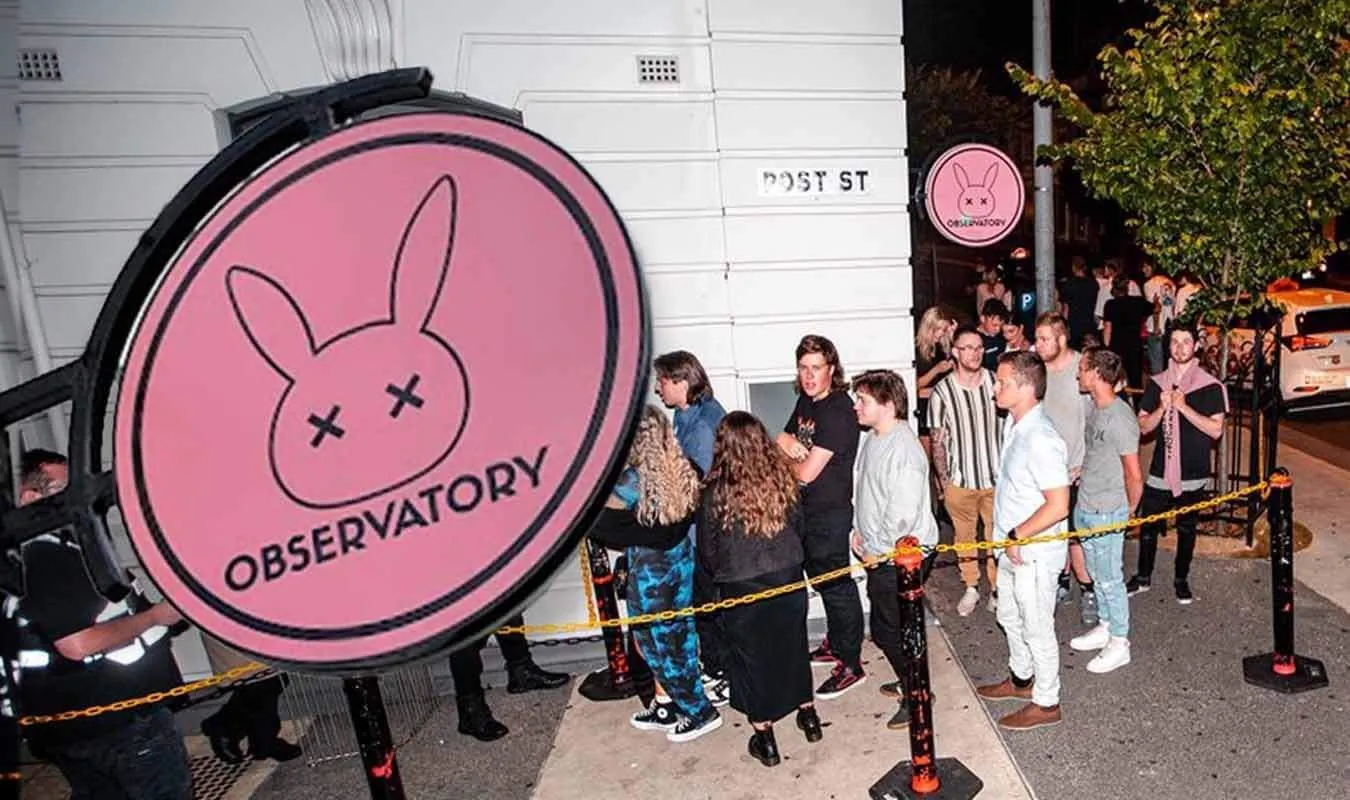
The decision to enter voluntary administration was made by Pub Banc Group and Hotel Banc Group, which employs over 80 people across its venues. Director Ian Vaughan described the move as “deeply disappointing” and said the business had faced “significant headwinds” in recent times.
“Today, our thoughts are primarily with our employees, many of whom have dedicated years of service and helped create the welcoming experiences for which our venues are known,” he said.
The administrator, Apex Advisory, will lead a sale process for the venues, with the aim of finding a buyer and reopening them under new ownership as quickly as possible.
Managing director Tim Booker said the goal was to “preserve the value of these businesses and move quickly to a sale or recapitalisation, with the aim of seeing the venues reopen under new ownership.” He expressed confidence that the venues would attract significant interest, citing their “iconic” status, prime locations, and loyal patronage.
But the closure of these venues has sent shockwaves through the Hobart community, with many fearing it could be the start of a worrying trend for the industry.
Hospitality Tasmania chief executive Steve Old described the loss as a “significant blow” for the sector, which is already facing “incredibly tight margins”.
“At some point, politicians at every level need to stop treating Tasmania’s major employing industries as convenient political targets and start recognising the enormous contribution they make to our economy and communities,” he said.
Analysis: What This Means for AustraliaThe closure of these beloved venues is a stark reminder of the challenges facing the hospitality industry in Australia.
Rising supply costs, changing consumer habits, and increasing competition are all taking a toll on businesses, with many struggling to stay afloat. The situation is particularly dire in Tasmania, where the industry is the state’s third-largest employer.
The state government has announced plans to support impacted workers, but more needs to be done to address the underlying issues facing the sector.
Security analysts warn that the collapse of these venues could have a ripple effect on the broader economy, with flow-on impacts for suppliers, contractors, and other businesses that rely on the hospitality industry.
Law enforcement insiders also point to the potential for increased crime and social problems in areas where venues are forced to close, as people are left without safe and welcoming spaces to socialise.
Industry observers believe that the situation highlights the need for a more nuanced approach to supporting the hospitality industry, one that recognises the unique challenges and opportunities facing businesses in different regions and sectors.
This could include targeted support for small businesses, investment in tourism infrastructure, and a more collaborative approach to addressing the industry’s challenges.
As the administrator works to find a buyer for the venues, the community holds its breath, hoping that these beloved institutions can be saved and continue to thrive for years to come.
But as the situation unfolds, one thing is clear: the future of Hobart’s hospitality scene hangs in the balance, and the consequences of inaction could be devastating.
The Republic Bar, a North Hobart institution and popular live music venue, is one of the seven venues affected by the voluntary administration. The bar, along with Cargo Bar and Jack Greene on Salamanca Place, has been a staple of Hobart’s nightlife for years, attracting locals and tourists alike with its unique atmosphere and entertainment offerings. But despite its popularity, the bar, like many others in the industry, has been struggling to stay afloat in the face of rising supply costs and changing consumer habits.
The decision to enter voluntary administration was made by Pub Banc Group and Hotel Banc Group, which employs over 80 people across its venues. Director Ian Vaughan described the move as “deeply disappointing” and said the business had faced “significant headwinds” in recent times. “Today, our thoughts are primarily with our employees, many of whom have dedicated years of service and helped create the welcoming experiences for which our venues are known,” he said.
The administrator, Apex Advisory, will lead a sale process for the venues, with the aim of finding a buyer and reopening them under new ownership as quickly as possible. Managing director Tim Booker said the goal was to “preserve the value of these businesses and move quickly to a sale or recapitalisation, with the aim of seeing the venues reopen under new ownership.” He expressed confidence that the venues would attract significant interest, citing their “iconic” status, prime locations, and loyal patronage.
But the closure of these venues has sent shockwaves through the Hobart community, with many fearing it could be the start of a worrying trend for the industry. Hospitality Tasmania chief executive Steve Old described the loss as a “significant blow” for the sector, which is already facing “incredibly tight margins”. “At some point, politicians at every level need to stop treating Tasmania’s major employing industries as convenient political targets and start recognising the enormous contribution they make to our economy and communities,” he said.
The closure of these beloved venues is a stark reminder of the challenges facing the hospitality industry in Australia. Rising supply costs, changing consumer habits, and increasing competition are all taking a toll on businesses, with many struggling to stay afloat. The situation is particularly dire in Tasmania, where the industry is the state’s third-largest employer. The state government has announced plans to support impacted workers, but more needs to be done to address the underlying issues facing the sector.
Security analysts warn that the collapse of these venues could have a ripple effect on the broader economy, with flow-on impacts for suppliers, contractors, and other businesses that rely on the hospitality industry. Law enforcement insiders also point to the potential for increased crime and social problems in areas where venues are forced to close, as people are left without safe and welcoming spaces to socialise.
Industry observers believe that the situation highlights the need for a more nuanced approach to supporting the hospitality industry, one that recognises the unique challenges and opportunities facing businesses in different regions and sectors. This could include targeted support for small businesses, investment in tourism infrastructure, and a more collaborative approach to addressing the industry’s challenges.
As the administrator works to find a buyer for the venues, the community holds its breath, hoping that these beloved institutions can be saved and continue to thrive for years to come. But as the situation unfolds, one thing is clear: the future of Hobart’s hospitality scene hangs in the balance, and the consequences of inaction could be devastating.