
Car Chaos: BYD’s Bungled Sales Fiasco Leaves 1,200 Australian Customers Feeling Duped and Demanding Justice
- More than 1,200 customers who bought electric and hybrid cars from Chinese maker BYD were sold the wrong vehicles, sparking outrage and calls for an investigation.
- The company has apologized and offered full refunds after initially offering a paltry $1,100 in compensation, which many customers deemed “grossly inadequate”.
- Consumer advocates are questioning whether BYD broke consumer law by engaging in misleading conduct, and are calling for the Australian Competition and Consumer Commission (ACCC) to investigate.
- The fiasco has raised concerns about the re-sale value of the affected vehicles and the need for stronger consumer protection laws in Australia.
The recent sales debacle involving Chinese car manufacturer BYD has left over 1,200 Australian customers feeling deceived and demanding justice.
The company’s admission of human error and subsequent offer of full refunds has done little to quell the outrage, with many customers still seeking answers and compensation for their troubles.
At the center of the controversy is BYD’s decision to sell customers 2025 models of their electric and hybrid cars, despite advertising them as 2026 vehicles.
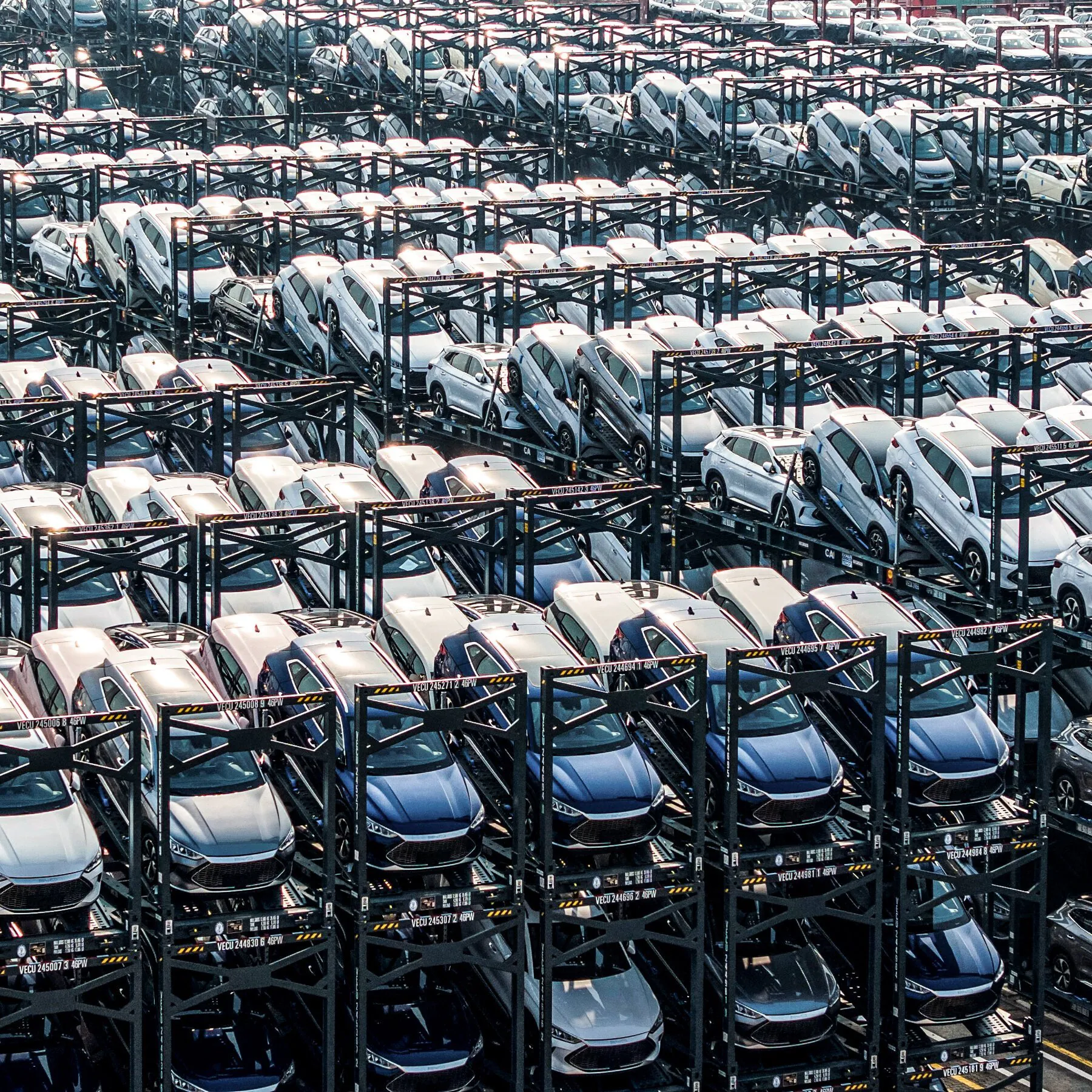
The mistake has sparked concerns about the re-sale value of the affected cars, with many customers fearing they will be left “seriously out of pocket” due to the error.
BYD has blamed the mistake on an “administrative error”, claiming that the cars were mistakenly labeled as 2026 models due to a mix-up in the factory.
However, this explanation has done little to placate customers, who are still seeking answers and compensation for their troubles.
The company’s initial offer of $1,100 in compensation was widely criticized as “grossly inadequate”, with many customers rejecting the offer and demanding a full refund or replacement vehicle.
It wasn’t until the ABC contacted BYD for comment that the company agreed to offer full refunds to all affected customers.
The incident has raised concerns about the need for stronger consumer protection laws in Australia, with consumer advocates calling for the ACCC to investigate BYD’s conduct.
Erin Turner, CEO of the Consumer Policy Research Centre, has questioned whether BYD broke consumer law by engaging in misleading conduct, and is pushing for the nation’s consumer affairs ministers to add penalties to strengthen the law.
“This law applies when a company promises one thing and doesn’t deliver,” Turner said.
“If you’re delivered a 2025 vehicle and you’ve paid for a 2026, to me that sounds misleading.”
The incident has also highlighted the need for greater transparency and accountability in the car industry, with many customers expressing frustration at the lack of communication and urgency from BYD in addressing the issue.
As the ACCC considers whether to investigate the matter, Assistant Minister for Competition Andrew Leigh has announced plans to strengthen the effectiveness of the consumer guarantee, including proposing new penalties for suppliers and manufacturers who fail to comply with their obligations.
Analysis: What This Means for AustraliaThe BYD sales fiasco has significant implications for Australian consumers, highlighting the need for stronger consumer protection laws and greater transparency in the car industry.
The incident has also raised concerns about the re-sale value of affected vehicles and the potential for financial losses for customers. As the car industry continues to grow and evolve, it is essential that consumers are protected from misleading and deceptive conduct.
The ACCC must take a strong stance on this issue, investigating BYD’s conduct and holding the company accountable for its actions.
In the meantime, consumers who have been affected by the BYD sales fiasco must be given a fair go, with access to full refunds, replacements, or compensation for their troubles.
The Australian government must also take steps to strengthen consumer protection laws, including adding penalties for suppliers and manufacturers who fail to comply with their obligations.
Only then can Australian consumers have confidence in the car industry and trust that they are getting a fair deal. Security analysts say that the BYD sales fiasco is a wake-up call for the car industry, highlighting the need for greater transparency and accountability.
“This incident shows that companies must be held accountable for their actions,” said one analyst.
“Consumers deserve to know what they’re getting, and companies must be transparent about their products and services.”
Law enforcement insiders warn that the incident could have serious consequences for BYD, with the company facing potential fines and penalties for its actions.
“This is a serious breach of consumer trust,” said one insider.
“BYD must be held accountable for its actions, and consumers must be protected from further harm.”
Industry observers believe that the incident will have a significant impact on the car industry, with consumers becoming increasingly wary of companies that engage in misleading and deceptive conduct.
“This incident will have a ripple effect throughout the industry,” said one observer. “Companies must be transparent and honest with their customers, or risk facing serious consequences.”
The recent sales debacle involving Chinese car manufacturer BYD has left over 1,200 Australian customers feeling deceived and demanding justice. The company’s admission of human error and subsequent offer of full refunds has done little to quell the outrage, with many customers still seeking answers and compensation for their troubles.
At the center of the controversy is BYD’s decision to sell customers 2025 models of their electric and hybrid cars, despite advertising them as 2026 vehicles. The mistake has sparked concerns about the re-sale value of the affected cars, with many customers fearing they will be left “seriously out of pocket” due to the error.
BYD has blamed the mistake on an “administrative error”, claiming that the cars were mistakenly labeled as 2026 models due to a mix-up in the factory. However, this explanation has done little to placate customers, who are still seeking answers and compensation for their troubles.
The company’s initial offer of $1,100 in compensation was widely criticized as “grossly inadequate”, with many customers rejecting the offer and demanding a full refund or replacement vehicle. It wasn’t until the ABC contacted BYD for comment that the company agreed to offer full refunds to all affected customers.
The incident has raised concerns about the need for stronger consumer protection laws in Australia, with consumer advocates calling for the ACCC to investigate BYD’s conduct. Erin Turner, CEO of the Consumer Policy Research Centre, has questioned whether BYD broke consumer law by engaging in misleading conduct, and is pushing for the nation’s consumer affairs ministers to add penalties to strengthen the law.
“This law applies when a company promises one thing and doesn’t deliver,” Turner said. “If you’re delivered a 2025 vehicle and you’ve paid for a 2026, to me that sounds misleading.”
The incident has also highlighted the need for greater transparency and accountability in the car industry, with many customers expressing frustration at the lack of communication and urgency from BYD in addressing the issue.
As the ACCC considers whether to investigate the matter, Assistant Minister for Competition Andrew Leigh has announced plans to strengthen the effectiveness of the consumer guarantee, including proposing new penalties for suppliers and manufacturers who fail to comply with their obligations.
The BYD sales fiasco has significant implications for Australian consumers, highlighting the need for stronger consumer protection laws and greater transparency in the car industry. The incident has also raised concerns about the re-sale value of affected vehicles and the potential for financial losses for customers.
As the car industry continues to grow and evolve, it is essential that consumers are protected from misleading and deceptive conduct. The ACCC must take a strong stance on this issue, investigating BYD’s conduct and holding the company accountable for its actions.
In the meantime, consumers who have been affected by the BYD sales fiasco must be given a fair go, with access to full refunds, replacements, or compensation for their troubles. The Australian government must also take steps to strengthen consumer protection laws, including adding penalties for suppliers and manufacturers who fail to comply with their obligations.
Only then can Australian consumers have confidence in the car industry and trust that they are getting a fair deal.
Security analysts say that the BYD sales fiasco is a wake-up call for the car industry, highlighting the need for greater transparency and accountability. “This incident shows that companies must be held accountable for their actions,” said one analyst. “Consumers deserve to know what they’re getting, and companies must be transparent about their products and services.”
Law enforcement insiders warn that the incident could have serious consequences for BYD, with the company facing potential fines and penalties for its actions. “This is a serious breach of consumer trust,” said one insider. “BYD must be held accountable for its actions, and consumers must be protected from further harm.”
Industry observers believe that the incident will have a significant impact on the car industry, with consumers becoming increasingly wary of companies that engage in misleading and deceptive conduct. “This incident will have a ripple effect throughout the industry,” said one observer. “Companies must be transparent and honest with their customers, or risk facing serious consequences.”