
Iran’s Strait of Hormuz Power Play: A Ticking Time Bomb for Global Shipping and Australia’s National Security
- Iran’s control over the Strait of Hormuz has sparked a crisis, with the US and Tehran at odds over the waterway’s status.
- A third round of US strikes and Iranian retaliatory attacks has rattled the Gulf region, putting regional stability at risk.
- Australia’s national security is under threat as the conflict escalates, with implications for global shipping and trade.
- Experts warn of a potential “Schrödinger’s Strait” scenario, where the waterway is both open and closed, free and constrained at the same time.
The Strait of Hormuz, a vital shipping lane connecting the Persian Gulf to the Sea of Oman, has become a focal point in the escalating conflict between the US and Iran.
The waterway’s status has been shrouded in confusion, with Iran maintaining it has control over the strait, while the US argues it should operate without restriction.
The situation has been likened to “Schrödinger’s Strait” – a waterway both open and closed, free and constrained at the same time.
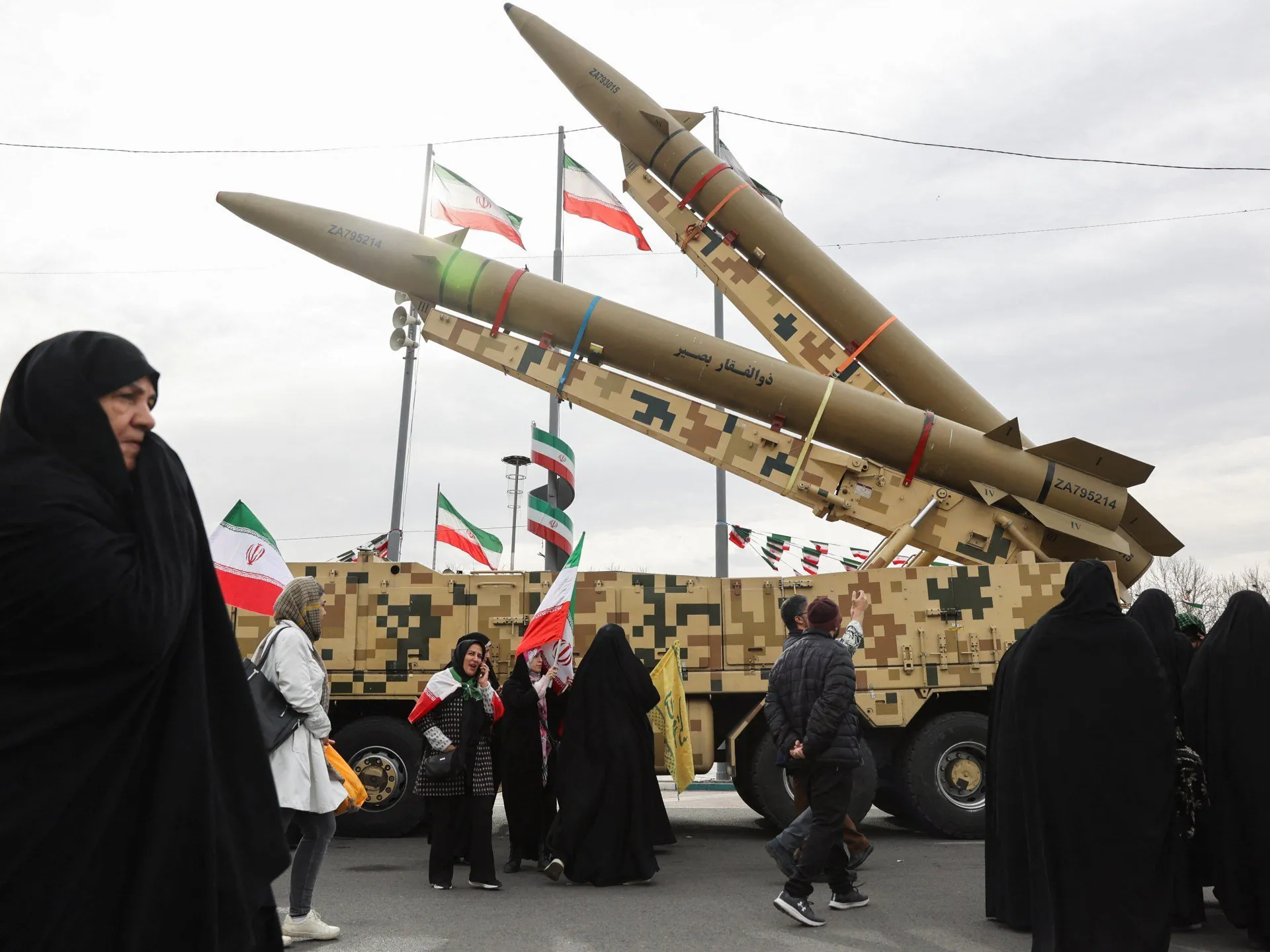
The latest wave of violence erupted when Iran opened fire on a ship attempting to transit through the Strait of Hormuz, prompting a US response in the form of bombing 140 military targets.
The US ambassador to NATO, Matthew Whitaker, warned that President Trump would respond with “overwhelming force” if shipping is attacked or if Iran acts belligerently. The US has declared the ceasefire between the two nations “over”, and the deal that established the truce is in tatters.
The conflict has its roots in a Memorandum of Understanding signed three and a half weeks ago, which included a provision for the safe passage of commercial vessels through the Strait of Hormuz.
However, Iran’s top negotiator, Mohammad Baqer Qalibaf, has cited this provision as evidence that Tehran is in charge of the waterway. Qalibaf, a former Islamic Revolutionary Guard Corps (IRGC) commander, has been instrumental in shaping Iran’s strategy in the conflict.
The situation is further complicated by the absence of Iran’s new supreme leader, Ayatollah Mojtaba Khamenei, who is believed to have been seriously injured in a missile strike that killed his father.
The IRGC has announced that Iran has closed the Strait of Hormuz, and Qalibaf has vowed to “avenge the blood” of his father. The power vacuum in Iran has raised concerns that different parts of the Iranian machine are operating on different terms, exacerbating the crisis.
Analysis: What This Means for Australia
The conflict in the Strait of Hormuz has significant implications for Australia’s national security and global shipping. Security analysts warn that the situation could escalate into a full-blown war, drawing in other regional players and disrupting global trade.
The Strait of Hormuz is a critical chokepoint for global shipping, with over 20% of the world’s oil passing through the waterway. Any disruption to shipping lanes could have far-reaching consequences for Australia’s economy and national security.
Law enforcement insiders warn that the conflict could also have implications for Australia’s border security, with the potential for Iranian-backed militant groups to exploit the chaos and launch attacks on Australian interests.
Industry observers believe that the situation could also impact Australia’s trade relationships with key partners, including the US and other Gulf states.
Experts say that the Australian government must take a proactive approach to addressing the crisis, working closely with regional partners to de-escalate tensions and ensure the safe passage of commercial vessels through the Strait of Hormuz.
The situation highlights the need for Australia to maintain a strong and agile military presence in the region, as well as a robust border security framework to protect against potential threats.