
Bird Flu Outbreak: Australia’s Worst Nightmare Takes Flight as Deadly H5 Strain Spreads to Native Species
- Australia’s bird flu crisis has taken a dark turn with the H5 strain detected in a native seabird for the first time, sparking fears of a catastrophic outbreak.
- Citizen scientists are being trained to identify potential cases of bird flu in a desperate bid to bolster the country’s defences against the virus.
- Conservation groups are partnering with the government to deliver the training, which will help volunteers spot signs of the virus in birds, including inability to stand or fly, and swelling of the head.
- The outbreak has already claimed 13 confirmed cases across the country, with five in South Australia, and experts warn the situation could spiral out of control if not contained.
The discovery of the H5 strain in a native greater crested tern has sent shockwaves through the conservation community, with many fearing the worst for Australia’s unique wildlife.
The virus has already been detected in five birds in South Australia, including four migratory giant petrels, and the latest case in the native seabird has raised concerns about the potential for widespread infection.
The South Australian government has announced a new training program for the identification of sick birds, which will be rolled out to members of BirdLife Australia, Birds SA, and the state’s Conservation Council.
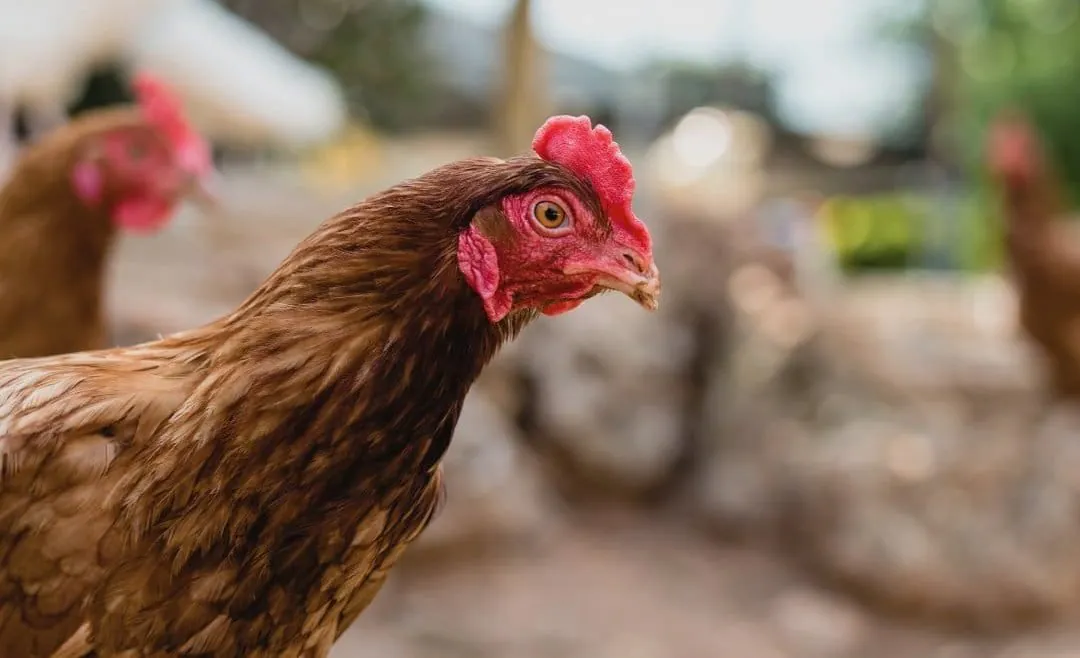
Volunteers from these groups will receive specialized training to spot signs of the virus in birds, which will help increase surveillance and potentially prevent the spread of the disease.
Primary Industries Minister Clare Scriven said the training program was a critical step in the fight against bird flu, and that the government was working closely with conservation groups to ensure the best possible outcome.
“Volunteers – so birders and others who are used to observing wildlife, and have got a lot of expertise and knowledge in that – [will be] partnering with government so that we can increase that surveillance even further,” she said.
The H5 strain of bird flu has been identified in 13 birds across the country, with seven cases in Western Australia and one in New South Wales.
The virus has not been detected in commercial poultry, but experts warn that the situation could change rapidly if the outbreak is not contained.
Analysis: What This Means for Australia
The bird flu outbreak has significant implications for Australia’s national security, with the potential for widespread infection and devastating consequences for the country’s unique wildlife. The virus could also have economic and social consequences, particularly for the poultry industry, which is worth millions of dollars to the Australian economy.
Law enforcement and border control measures will need to be strengthened to prevent the spread of the virus, and the government will need to work closely with conservation groups and the poultry industry to ensure the best possible outcome.
The situation highlights the need for a coordinated national response to biosecurity threats, and the importance of investing in surveillance and detection measures to prevent the spread of disease.
Security analysts say the bird flu outbreak is a wake-up call for Australia, highlighting the need for a more proactive approach to biosecurity.
“The detection of the H5 strain in a native seabird is a clear indication that the virus is spreading, and that we need to take immediate action to contain it,” said one expert.
Industry observers believe the outbreak will have significant consequences for the poultry industry, which could face severe economic losses if the virus is not contained. “The poultry industry is a significant contributor to the Australian economy, and a major outbreak could have devastating consequences,” said another expert.
As the situation continues to unfold, one thing is clear: the bird flu outbreak is a major crisis for Australia, and one that requires a coordinated national response to prevent the spread of the virus and protect the country’s unique wildlife.