
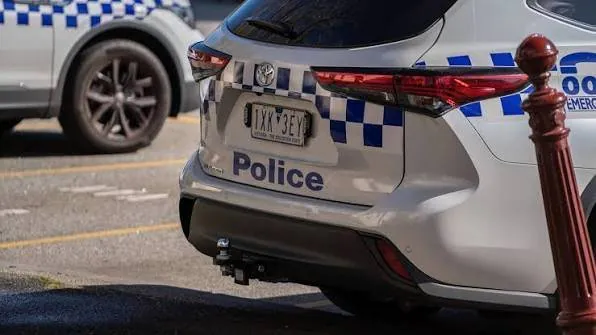
‘Operation Plate Clampdown’: Victoria Police Recover $1 Million Worth of Stolen Cars in Crackdown on Cloned Number Plates
- Victoria Police’s Targeted Enforcement Crew (TEC) has made 79 arrests and recovered over $1 million worth of stolen vehicles in a massive crackdown on cloned number plates.
- The operation has dealt a significant blow to alleged syndicates across the southeast, with a 38-year-old Ivanhoe man accused of manufacturing 875 sets of cloned plates.
- The use of cloned number plates is a growing concern, with the Insurance Council of Australia reporting $243 million worth of motor vehicle insurance claims in Victoria over the past year.
- Experts warn that cloned plates are not just used to avoid speeding fines, but also by organised crime groups involved in serious crimes such as aggravated burglaries and drug trafficking.
In a major crackdown on cloned number plates, Victoria Police’s Targeted Enforcement Crew (TEC) has recovered over $1 million worth of stolen vehicles and made 79 arrests since its establishment in March 2026.
The operation, dubbed ‘Operation Plate Clampdown’, has dealt a significant blow to alleged syndicates across the southeast, with a 38-year-old Ivanhoe man accused of manufacturing a whopping 875 sets of cloned number plates.
The use of cloned number plates is a growing concern in Victoria, with the Insurance Council of Australia reporting $243 million worth of motor vehicle insurance claims in the state over the past year – more than every other state combined.
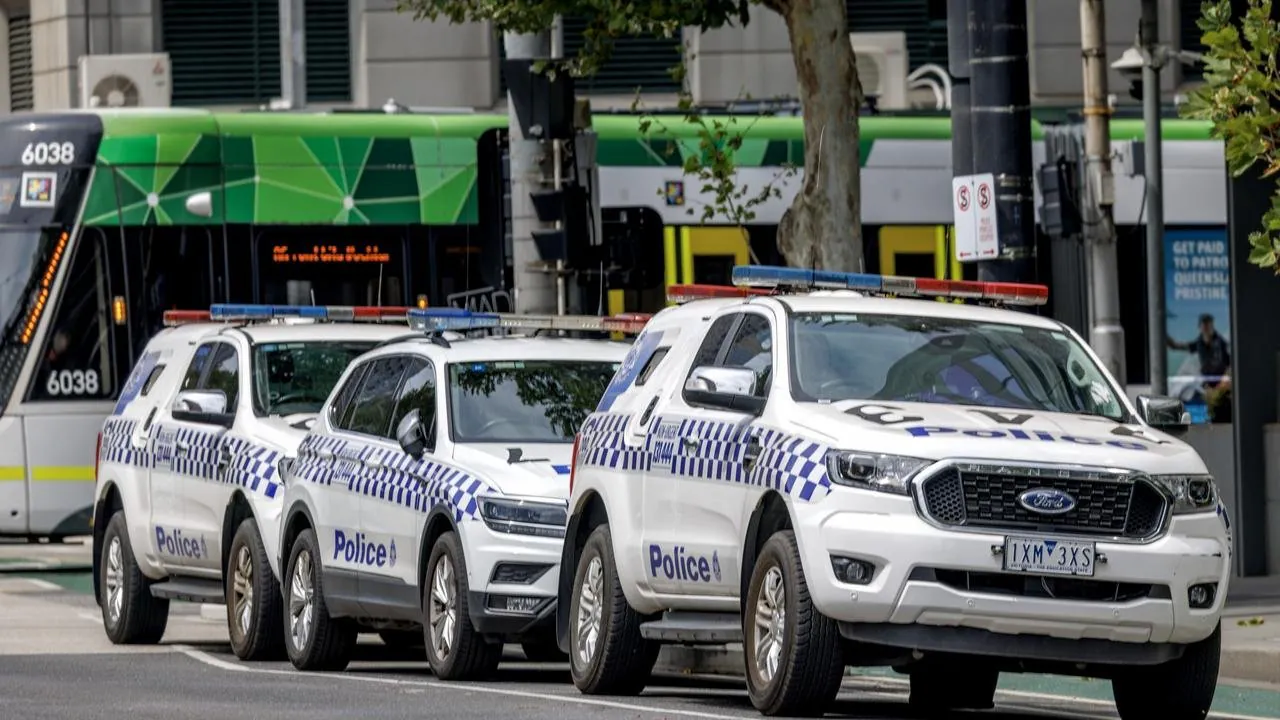
The practice involves criminals producing copies of a legitimate vehicle’s registration plates and fitting them to another vehicle, often stolen, to conceal its true identity and avoid detection.
While cloned plates are frequently used to avoid responsibility for minor offences such as speeding, they are also used by organised crime groups involved in serious crimes such as aggravated burglaries, fire-bombings, drive-by shootings, and drug trafficking.
Cloned number plates are commonly fitted to a vehicle of the same make, model, and colour as the legitimate vehicle to reduce the chances of attracting police attention.
The practice can result in innocent motorists receiving infringement notices for offences they didn’t commit, particularly if they’re unaware their number plates have been cloned.
“Having your number plates cloned is not only an inconvenience, but it can also be costly to have them replaced,” Frankston Investigation and Response Inspector Melissa Nixon said in a statement.
Inspector Nixon advised motorists to take precautions to avoid falling victim to number plate cloning, including blurring the number plate when posting images of their car online and installing anti-theft screws.
“The success of the team in such a short period of time has already made a large dent in alleged syndicates across the southeast, and we will continue working around the clock to disrupt organised criminal activity.”
Analysis: What This Means for Australia
The use of cloned number plates is a serious concern for national security, with organised crime groups using the practice to facilitate a range of serious crimes.
The fact that a single individual was accused of manufacturing 875 sets of cloned plates highlights the scope of the problem.
The operation by Victoria Police’s TEC is a significant step in disrupting these syndicates, but more needs to be done to address the root causes of the issue.
Security analysts say that the use of cloned number plates is a symptom of a broader problem – the ease with which organised crime groups can operate in Australia.
“The fact that these groups are able to manufacture and distribute cloned number plates on such a large scale is a concern for national security,” said one analyst.
“It highlights the need for increased cooperation between law enforcement agencies and greater investment in intelligence gathering and analysis.”
The economic consequences of cloned number plates are also significant, with the Insurance Council of Australia reporting $243 million worth of motor vehicle insurance claims in Victoria over the past year.
This not only affects individual motorists but also has a broader impact on the economy, with increased insurance premiums and costs passed on to consumers.