

The Battle for the Aussie Flag: Union Push to Remove Union Jack Sparks Fierce Debate
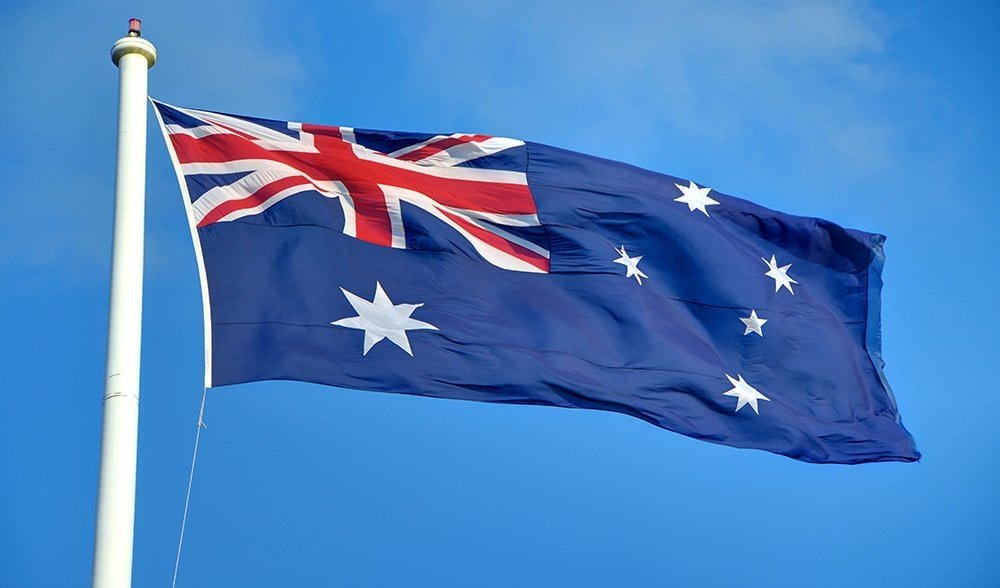
- A radical proposal to remove the Union Jack from the Australian flag has sparked a firestorm of controversy ahead of Labor’s national conference in Adelaide.
- The Australian Manufacturing Workers Union (AMWU) claims the Union Jack is a “symbol of oppression” that must be stripped from public life.
- But government ministers and opposition MPs have slammed the proposal, insisting the focus should be on practical issues like cost-of-living relief, not “symbolic debates”.
The debate over the Australian flag has long been a contentious issue, but the latest proposal from the AMWU has reignited the flames of controversy. The union’s “blueprint for action” aims to address justice for First Nations Australians and remove what it describes as “symbols of oppression” from public life.
But the suggestion to remove the Union Jack from the flag has been met with fierce resistance from government ministers and opposition MPs.
Speaking to Sunrise, Housing Minister Clare O’Neil downplayed the proposal, insisting Labor’s priorities were the issues Australians were discussing “around the kitchen table”.
“That’s the cost of living, the bills that they’ve got that are piling up, it’s about making sure that we take those next steps to get the young people around our country fair opportunities for home ownership,” she said.
When asked whether she supported changing the Australian flag, O’Neil insisted the issue was not the focus of the conference. “That’s just not what the conference is about,” she said.
But National Party Senator Bridget McKenzie was more forthright in her opposition to the proposal.
“I’m really proud of our country, and I don’t know why the Labor Party and their union backers are continually trashing our country and our heritage,” she told Sunrise.
“We should be very proud of our British heritage.
Our flag represents not only our British heritage with the Union Jack but also, importantly, the Southern Cross, which uniquely speaks to our ancient heritage here in Australia.”
Independent MP Dai Le also criticised the proposal, calling it “unbelievable”.
Le, who made headlines when she wore the Australian flag while delivering her maiden speech after being elected in 2022, said it remained a powerful symbol of opportunity.
“I’m very proud as a refugee; it’s a flag that has welcomed myself and my family… It’s a flag that represents this country that’s given them a second chance,” she said.
Analysis: What This Means for Australia
The debate over the Australian flag has significant implications for national identity and community cohesion. While some argue that the Union Jack is a symbol of oppression, others see it as an important part of Australian heritage.
The proposal to remove it from the flag has sparked a heated debate about the country’s history and its impact on Indigenous Australians.
Security analysts say that the controversy highlights the ongoing challenge of balancing national identity with the need to address past injustices. “The debate over the flag is a symptom of a broader issue – the need to reconcile Australia’s history with its present,” said one analyst.
“It’s a complex and sensitive issue that requires careful consideration and consultation with all stakeholders.”
Law enforcement insiders warn that the controversy could also have implications for community safety. “The debate over the flag has the potential to inflame tensions and create divisions within the community,” said one insider.
“It’s essential that leaders on both sides of the debate take a calm and measured approach to avoid exacerbating the situation.”
Industry observers believe that the controversy highlights the need for a more nuanced approach to addressing national identity. “The debate over the flag is a reminder that national identity is complex and multifaceted,” said one observer.
“It’s not just about symbols and flags – it’s about the values and principles that underpin our society.”
The controversy over the Australian flag is a timely reminder of the ongoing challenge of balancing national identity with the need to address past injustices. As the debate continues, it’s essential that leaders on both sides take a calm and measured approach to avoid exacerbating the situation.
Ultimately, the decision on the flag will depend on the will of the Australian people – and it’s up to them to decide what kind of country they want to build for the future.