
New South Wales’ Dirty Little Secret: How Coal Mine Extensions and Data Centres Are Derailing the State’s Net Zero Targets
- New South Wales is on track to miss its 2030 emissions reduction targets by a whopping 10-20 million tonnes, with coal mine expansions and data centres being major contributors to the state’s emissions woes.
- The NSW Net Zero Commission has sounded the alarm, warning that the state’s emissions reduction progress is “falling increasingly further behind” and that urgent action is needed to get back on track.
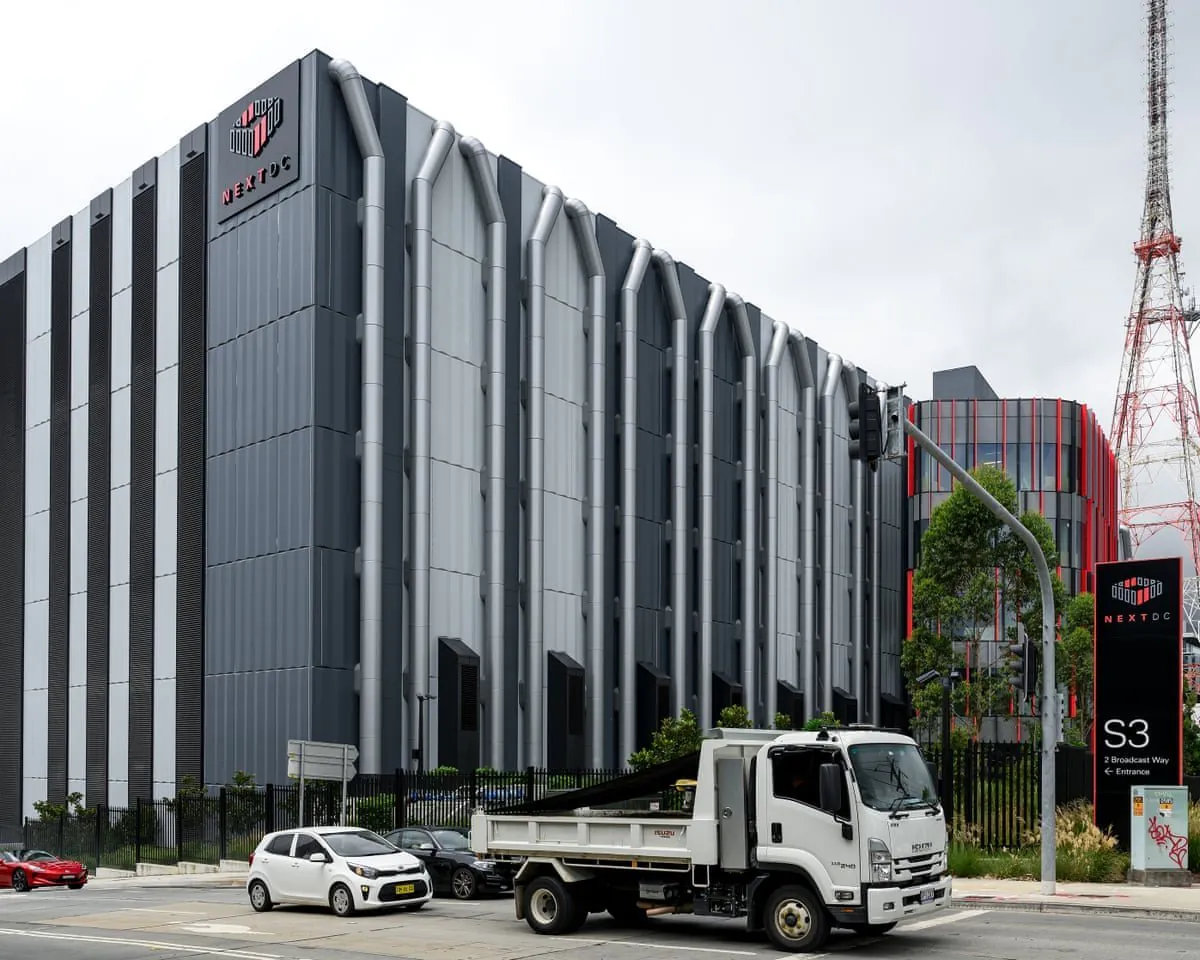
- Data centres, which are being rolled out without adequate legislation, are being described as “energy and water insatiable beasts” that will only exacerbate the state’s emissions problems.
- The commission has called for a cumulative assessment of coal mine extensions and data centres against the state’s legislated targets, and for the implementation of mitigation measures to reduce their environmental impact.
The latest report from the NSW Net Zero Commission has laid bare the state’s struggles to meet its emissions reduction targets, with coal mine expansions and data centres emerging as major roadblocks on the path to net zero.
According to the commission’s annual progress report, NSW is on track to fall short of its 2030 targets by a staggering 10-20 million tonnes, up from an estimated 7 million tonnes the previous year.
The report highlights the 20 applications to extend coal mines currently in the planning system, including the proposed extension of the Hunter Valley Operations, which could extend the life of the coal project to 2045.
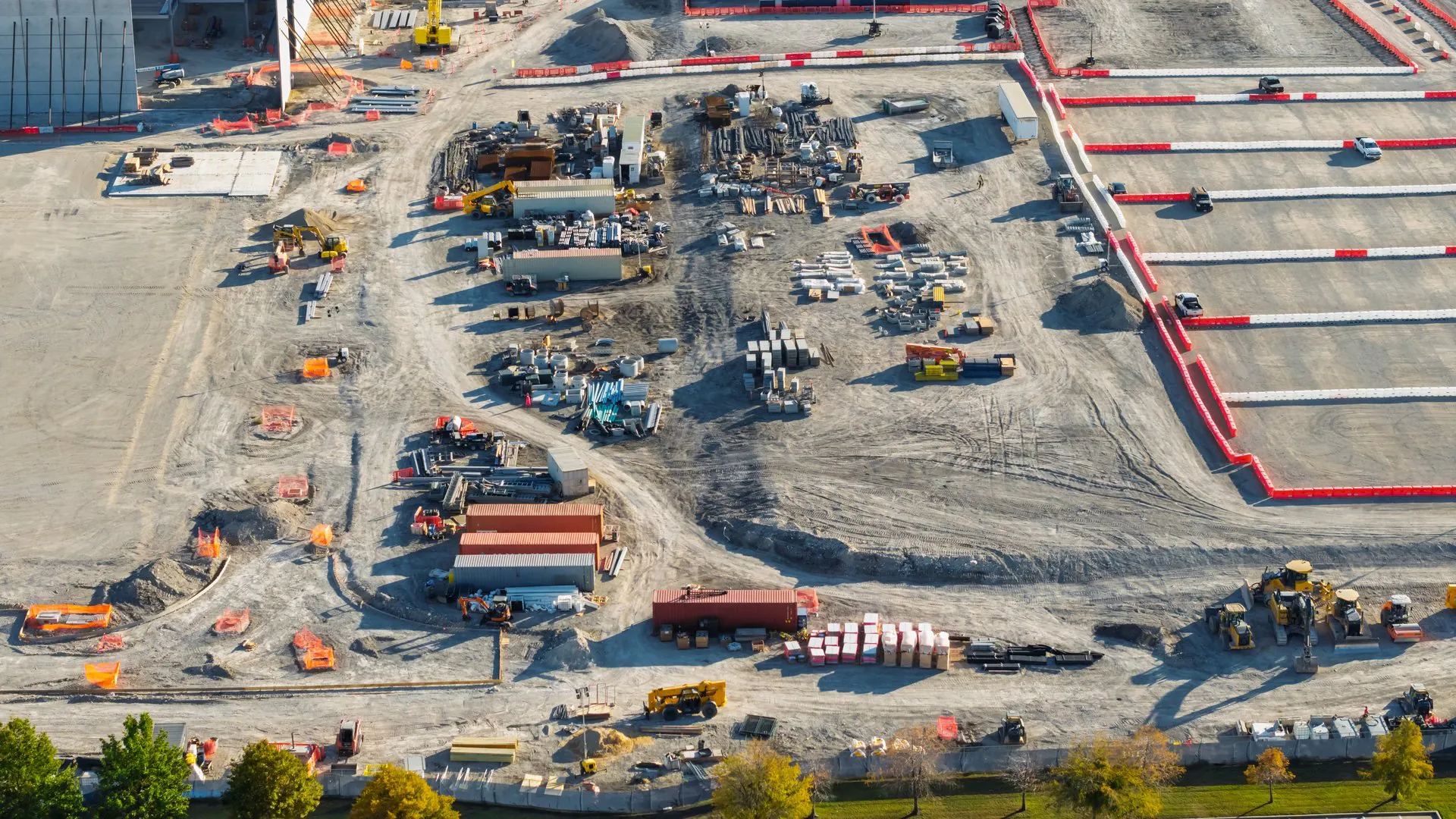
The commission has warned that continued approval of coal mining extensions and expansions is inconsistent with the state’s targets and a barrier to resources sector decarbonisation.
Meanwhile, the report identifies data centres as a new and fast-growing source of electricity demand, with the Australian Energy Market Operator forecasting that they will add eight hours to annual NSW electricity demand by 2035, equivalent to 13% of current demand.
The commission has called for policy settings to be introduced to ensure that data centres operate in a way that aligns with the state’s emissions goals, including funding new renewable energy generation and meeting world-leading standards for energy and water efficiency.
The NSW Greens have weighed in on the issue, with climate change spokesperson Sue Higginson describing data centres as “energy and water insatiable beasts” that will not assist the state in meeting its emissions reduction targets.
Higginson has called for stronger legislation to regulate the rollout of data centres and ensure they are not detrimental to the environment.
Analysis: What This Means for Australia
The NSW Net Zero Commission’s report has significant implications for Australia’s national security, law enforcement, and community impact.
The continued expansion of coal mines and the unchecked growth of data centres pose a major threat to the state’s ability to meet its emissions reduction targets, which could have far-reaching consequences for the environment and the community.
Security analysts say that the reliance on fossil fuels and the lack of regulation around data centres could compromise national security by increasing Australia’s vulnerability to climate-related disasters and cyber attacks.
Law enforcement insiders warn that the environmental impact of coal mine expansions and data centres could lead to increased social unrest and community tensions.
Industry observers believe that the report highlights the need for a more coordinated approach to addressing climate change, with a greater emphasis on renewable energy and reducing emissions.
They argue that the state’s targets are achievable, but require a more urgent and sustained effort to reduce emissions and transition to a low-carbon economy.
The NSW government has welcomed the commission’s report and has indicated that it will seriously consider its recommendations.
Minister for Climate Change and Energy Penny Sharpe has stated that the government is committed to accelerating the transition to renewable energy and decarbonising the transport and manufacturing sectors.
However, the report’s findings and recommendations will need to be taken seriously and implemented swiftly if NSW is to get back on track and meet its emissions reduction targets.
The clock is ticking, and the state’s environment, economy, and community are counting on it.