
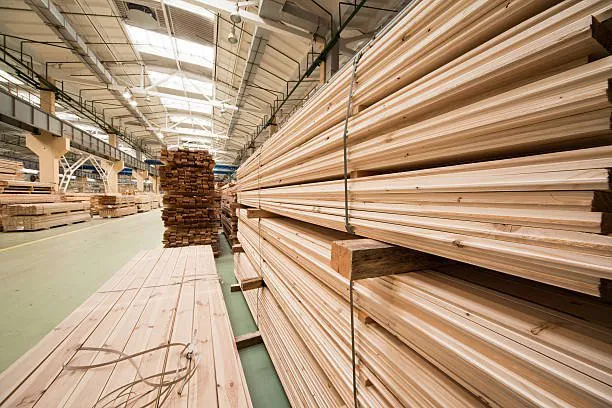
Revolutionary $200 Million Timber Manufacturing Hub Set to Transform Victoria’s South-West Region, Creating 74 New Jobs and Boosting National Security
- A proposed $200 million manufacturing hub in Victoria’s west is poised to turn blue gum timber into high-value building products, reducing Australia’s reliance on imported materials.
- The project could create up to 74 new permanent jobs and inject millions into the local economy, providing a much-needed boost to the region.
- The hub aims to address a critical gap in the Australian construction industry, left by the end of native timber logging, and could replace half of the glue-laminated timber currently imported each year.
- The project has received $1.75 million in state government funding to progress to the next stage of development, with construction expected to create an additional 150 jobs.
The proposed Future Portland Hardwood Timber Manufacturing Hub is set to become a game-changer for Victoria’s south-west region, with the potential to create a new locally made timber product for the Australian construction industry.
The project, which has received $1.75 million in state government funding, aims to turn locally-grown blue gum timber into a range of high-value building materials, including glue-laminated timber, which is as strong as steel or concrete.
The hub, which will span approximately 35 hectares in the heart of timber plantation country near Portland, is the result of a feasibility study led by the Green Triangle Forest Industries Hub.
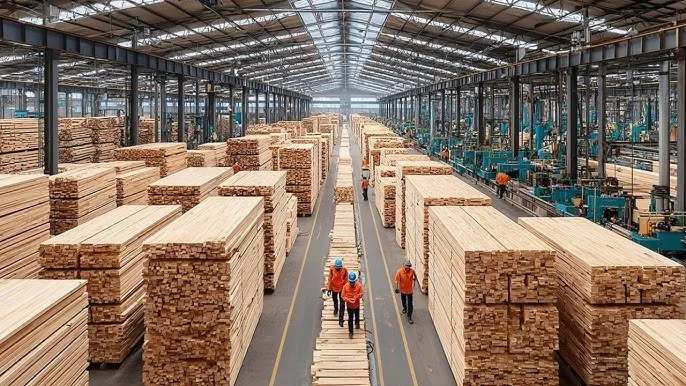
The study confirmed the viability of turning blue gum timber, currently exported as wood chips, into a range of building materials on-site in the state’s west.
This will not only provide a much-needed boost to the local economy but also reduce Australia’s reliance on imported materials.
The end of native logging in Victoria has seen demand for imported timber double, while the National Housing Accord has pushed for 1.2 million new homes to be built by 2029 across the country.
The proposed hub aims to address this mismatch between supply and demand, providing a sustainable and locally sourced solution for the construction industry.
Victorian Forest Products Association chief executive Andrew White believes the precinct will help meet this demand, particularly in the mid-rise residential space and for structural beams.
Security analysts say the project has significant national security implications, as it will reduce Australia’s reliance on imported materials and provide a sustainable solution for the construction industry.
The hub will also have a positive impact on the environment, with blue gum glue-laminated beams reducing the carbon footprint of buildings and wood offcuts being used to create bio-energy to power the site.
Analysis: What This Means for Australia
The proposed timber manufacturing hub has significant implications for Australia’s national security, economy, and environment.
By reducing our reliance on imported materials and providing a sustainable solution for the construction industry, the hub will have a positive impact on the country’s building sector.
The project will also create new jobs and inject millions into the local economy, providing a much-needed boost to the region.
Law enforcement insiders warn that the current reliance on imported materials leaves Australia vulnerable to supply chain disruptions and price fluctuations. The proposed hub will mitigate this risk, providing a locally sourced solution for the construction industry.
Industry observers believe the project will also drive innovation and investment in the forestry sector, creating new opportunities for regional communities.
As the demand for sustainable and locally sourced materials continues to grow, the proposed timber manufacturing hub is poised to play a critical role in meeting this demand.
With the potential to create 74 new permanent jobs and inject millions into the local economy, the project is a significant step forward for Victoria’s south-west region and the Australian construction industry as a whole.
Victorian Government has committed $1.75 million to fund the project’s next steps, with construction expected to create an additional 150 jobs. The project has also received more than $500,000 in state government funding through the Portland Diversification Fund in 2025.