
Netanyahu’s US Visit Exposes Deep Divide Over War Crimes and International Justice
- New York City Mayor Zohran Mamdani concedes he can’t order Netanyahu’s arrest despite ICC warrant for war crimes
- US President Donald Trump vows Netanyahu won’t be arrested, sparking concerns over America’s commitment to international justice
- Netanyahu’s visit to the UN General Assembly in September set to reignite debate over his alleged role in Gaza genocide
- Experts warn of a “kangaroo court” and “political theatre” as the international community grapples with the complexities of enforcing ICC warrants
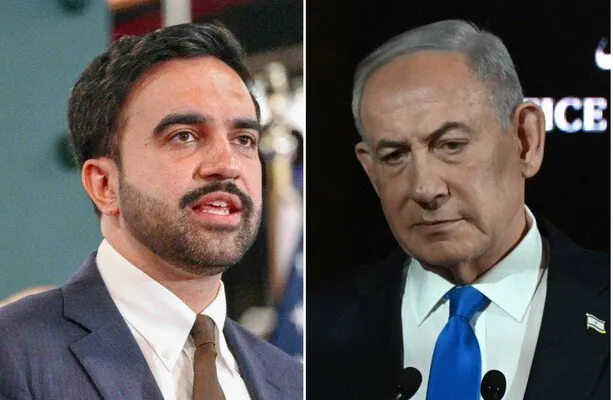
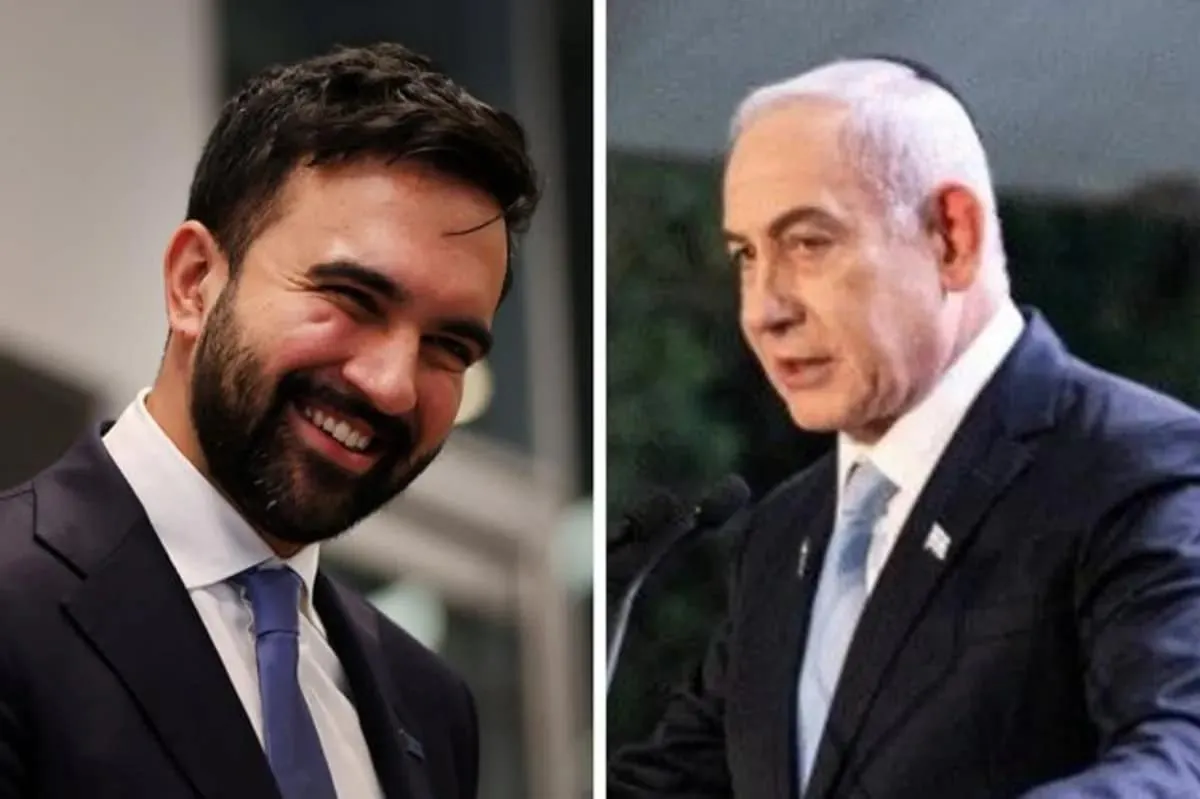
The impending visit of Israeli Prime Minister Benjamin Netanyahu to New York City has sparked a firestorm of controversy, with Mayor Zohran Mamdani conceding that he cannot order the Israeli leader’s arrest despite an outstanding warrant from the International Criminal Court (ICC) for alleged war crimes.
The move has reignited a heated debate over America’s commitment to international justice and the limits of its sovereignty.
At the heart of the issue is the ICC’s warrant, issued in late 2024, which accuses Netanyahu of committing war crimes during Israel’s bombardment of Gaza in October 2023, which resulted in the deaths of over 73,000 people.
The Israeli government has vehemently denied the allegations, labelling them as “unjustified and politically motivated.” Netanyahu’s office has dismissed the ICC as a “kangaroo court” with no jurisdiction over Americans or Israelis.
Despite his campaign pledge to order Netanyahu’s arrest, Mayor Mamdani has been forced to confront the reality of America’s complex relationship with the ICC. The US is not a signatory to the ICC’s founding treaty, the Rome Statute, and has actively worked to undermine the court’s authority.
In 2020, the Trump administration imposed sanctions on ICC judges and prosecutors, including those involved in the Netanyahu case.
The US has also granted Netanyahu immunity from arrest as a foreign head of state, citing a provision of US law known as the American Service-Members’ Protection Act.
This has effectively rendered the ICC warrant unenforceable on American soil.
So, how did we get to this point?
The controversy surrounding Netanyahu’s visit is just the latest chapter in a long and complex saga that has pitted the US and Israel against the international community.
The ICC’s warrant has sparked a global debate over the limits of national sovereignty and the role of international justice in holding leaders accountable for alleged war crimes.
For Netanyahu, the stakes are high. His government has faced intense criticism over its handling of the Gaza conflict, with many accusing him of perpetrating a “genocide” against the Palestinian people.
The ICC warrant has only added to the pressure, making it increasingly difficult for him to travel freely around the world. In recent years, he has been forced to take circuitous routes to avoid flying over countries that might try to enforce the warrant.
For the US, the controversy highlights the tension between its commitment to international justice and its loyalty to key allies like Israel. The Trump administration’s vocal support for Netanyahu has sparked concerns that America is undermining the integrity of the ICC and the global justice system.
Analysis: What This Means for Australia
Australia’s stance on the ICC warrant is significant, given its role as a key player in the Asia-Pacific region. In 2024, Foreign Minister Penny Wong stated that Australia would “act consistently with our obligations under international law” if Netanyahu were to visit the country.
However, the specifics of how this would play out remain unclear.
Security analysts say that the controversy surrounding Netanyahu’s visit highlights the need for Australia to re-examine its relationship with the ICC and its commitment to international justice.
“The ICC warrant has sparked a global debate over the limits of national sovereignty and the role of international justice in holding leaders accountable for alleged war crimes,” said one analyst.
“Australia must carefully consider its position on this issue and ensure that it is upholding its obligations under international law.”
Law enforcement insiders warn that the controversy could have significant implications for Australia’s own national security. “If the US is seen as undermining the ICC, it could embolden other countries to follow suit,” said one expert.
“This could have serious consequences for Australia’s ability to hold foreign leaders accountable for alleged war crimes on our soil.”
As the world waits with bated breath for Netanyahu’s visit to the UN General Assembly, one thing is clear: the controversy surrounding his ICC warrant has exposed deep divisions over war crimes and international justice.
The implications for Australia and the global community will be far-reaching, and it remains to be seen how this complex saga will play out.
The impending visit of Israeli Prime Minister Benjamin Netanyahu to New York City has sparked a firestorm of controversy, with Mayor Zohran Mamdani conceding that he cannot order the Israeli leader’s arrest despite an outstanding warrant from the International Criminal Court (ICC) for alleged war crimes. The move has reignited a heated debate over America’s commitment to international justice and the limits of its sovereignty.
At the heart of the issue is the ICC’s warrant, issued in late 2024, which accuses Netanyahu of committing war crimes during Israel’s bombardment of Gaza in October 2023, which resulted in the deaths of over 73,000 people. The Israeli government has vehemently denied the allegations, labelling them as “unjustified and politically motivated.” Netanyahu’s office has dismissed the ICC as a “kangaroo court” with no jurisdiction over Americans or Israelis.
Despite his campaign pledge to order Netanyahu’s arrest, Mayor Mamdani has been forced to confront the reality of America’s complex relationship with the ICC. The US is not a signatory to the ICC’s founding treaty, the Rome Statute, and has actively worked to undermine the court’s authority. In 2020, the Trump administration imposed sanctions on ICC judges and prosecutors, including those involved in the Netanyahu case.
The US has also granted Netanyahu immunity from arrest as a foreign head of state, citing a provision of US law known as the American Service-Members’ Protection Act. This has effectively rendered the ICC warrant unenforceable on American soil.