
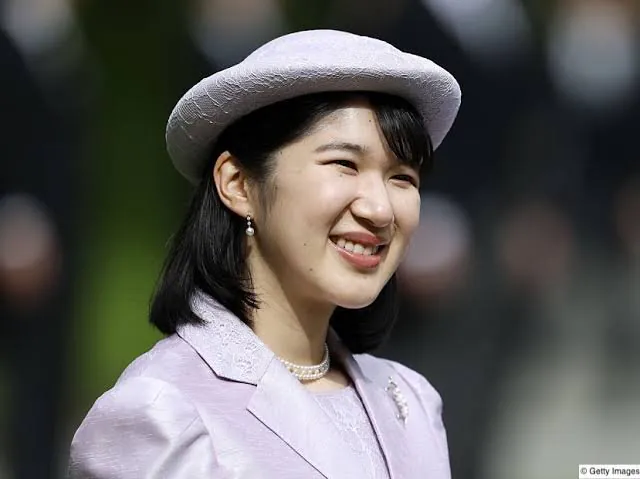
Japan’s Royal Family Teeters on Brink of Collapse as Succession Crisis Deepens: Why a Female Emperor May Be the Only Solution
- Japans’ imperial family is facing a succession crisis with only three men in line to the throne, including a 90-year-old.
- Emperor Naruhito’s daughter, Princess Aiko, is barred from inheriting the throne due to a male-only succession law.
- A recent poll found 72% of Japanese people support a female emperor, but the government has instead passed laws to allow males from former branches of the imperial family to be adopted into the current royal family.
- Critics say the move is “outdated” and “discriminatory”, and that allowing a female emperor would be the simplest solution to the succession crisis.
Japans’ royal family is facing a succession crisis that threatens the very existence of the world’s oldest continuous hereditary monarchy. With only three men in line to the throne, including a 90-year-old, the imperial family is running out of options.
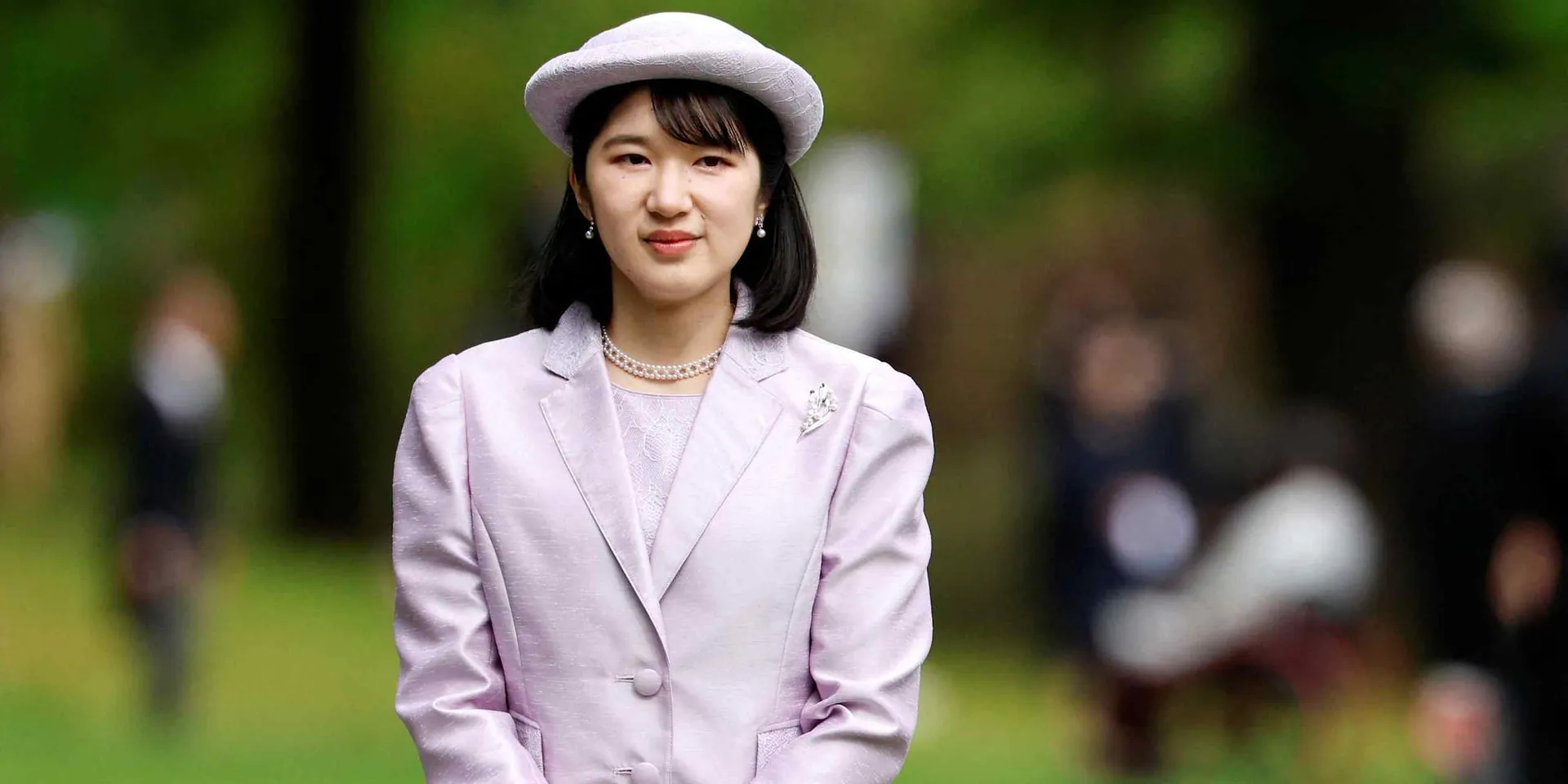
At the heart of the crisis is the male-only succession law, which bars Emperor Naruhito’s daughter, Princess Aiko, from inheriting the throne.
The Japanese government has recently passed changes to the law that will allow males from former branches of the imperial family to be adopted into the current royal family.
However, the move has been met with criticism from many who say it is a desperate attempt to cling to a outdated tradition. Born as commoners, the adoptees would not be eligible to inherit the throne themselves, but their sons would be.
The proposal has sparked heated debate, with many asking why the law was not instead changed to allow women to succeed to the throne.
Professor Okawa Makoto, a specialist in imperial lineage and succession, says that allowing a female emperor would be the simplest solution to the succession crisis.
He points out that the proposed adoptees are “practically complete strangers” to the imperial family, and that their inclusion would be a “chilling” prospect for the children involved.
Okawa argues that the tradition of patrilineal succession is not as clear-cut as the government claims, and that there have been instances of female emperors throughout Japanese history.
The current crisis has its roots in the imperial house law of 1889, which formally restricted succession to males.
Since then, Japan has had no female emperors, despite a history of eight female empresses who took the throne to provide stability during times of uncertainty.
The law has also been criticized by the United Nations, which has recommended that Japan amend the law to allow women to become emperor.
Despite the government’s efforts to shore up the male-only succession law, public opinion is increasingly in favor of a female emperor.
A recent poll found that 72% of Japanese people support the idea, and many have taken to social media to express their backing for Princess Aiko.
The 24-year-old princess has gained a significant following in recent years, and is widely regarded as a popular and capable member of the royal family.
Analysis: What This Means for Japan
The succession crisis facing Japan’s royal family has significant implications for the country’s national identity and sense of continuity.
The imperial family has long been a symbol of Japanese culture and tradition, and the current crisis raises questions about the relevance and legitimacy of the monarchy in modern Japan.
The government’s decision to cling to the male-only succession law despite overwhelming public support for a female emperor has sparked concerns about the country’s commitment to equality and human rights.
Security analysts say that the crisis could have far-reaching consequences for Japan’s international relations, particularly with countries that have already adopted more inclusive policies towards women in leadership positions.
The UN’s recommendation that Japan amend the law to allow women to become emperor is seen as a significant embarrassment for the government, and has sparked renewed calls for reform.
Law enforcement insiders warn that the crisis could also have implications for national security, particularly if the imperial family is seen as out of touch with the values and expectations of the Japanese people.
The government’s handling of the crisis has already sparked widespread criticism, and there are concerns that the situation could escalate into a full-blown constitutional crisis.
Industry observers believe that the crisis could also have economic implications, particularly if Japan is seen as a country that is resistant to change and reform.
The country’s reputation as a modern and progressive nation is at stake, and the government’s handling of the crisis will be closely watched by investors and business leaders around the world.
Ultimately, the succession crisis facing Japan’s royal family is a wake-up call for a country that has long been resistant to change.
The government’s decision to cling to the male-only succession law despite overwhelming public support for a female emperor has sparked a national conversation about the role of women in Japanese society, and the need for greater equality and inclusivity.
As Professor Okawa Makoto so aptly puts it, “if we continue to exclude women simply on the grounds of their gender, the gap with public opinion and societal expectations will continue to grow.
Ultimately, that raises the question of whether the symbolic imperial system itself is meaningless. There is a real risk that that could happen.”