
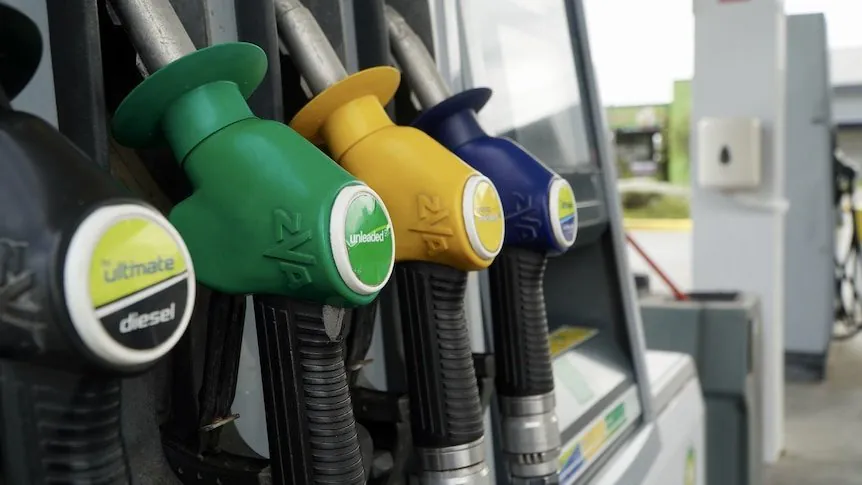
Fuel Price Fallout: Australia Braces for Petrol Price Pain as War with Iran Escalates and Tax Cut Ends
- Petrol prices surge by three cents overnight as US-Iran conflict intensifies, with average unleaded price hitting $1.85
- Diesel prices jump by up to five cents, with average cost reaching $2.26, as war disrupts global fuel supplies
- Temporary fuel tax cut set to expire on August 2, leaving motorists facing higher prices at the bowser
- Experts warn of alarming shortage of refined fuel, posing threat to global energy supplies and economic stability
Australians are bracing for a fresh wave of pain at the petrol pump as the conflict between the US and Iran continues to escalate, driving up fuel prices and threatening the nation’s economic stability.
The temporary cut to fuel taxes, which was extended by a month, is set to expire on August 2, leaving motorists facing even higher prices at the bowser.
The fragile ceasefire between the two nations has unravelled, with US President Donald Trump threatening a “massive attack” on Tehran, which he claimed had not “received enough pain”.
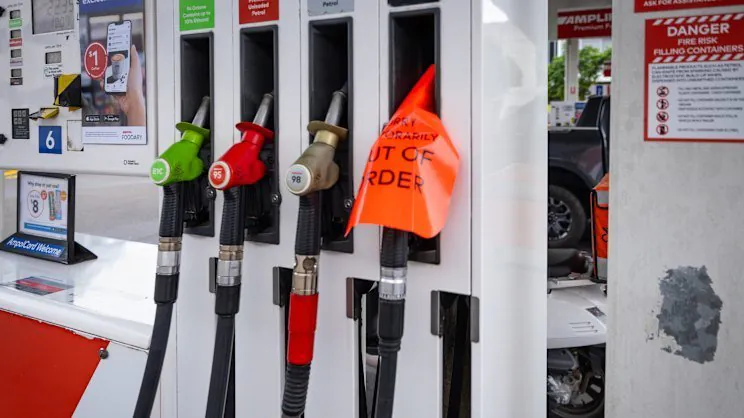
The intensifying conflict has already caused petrol prices to jump by three cents overnight, with the average price of unleaded petrol hitting $1.85, according to NRMA spokesman Peter Khoury.
Diesel prices have also surged, with the average cost reaching $2.26, a jump of up to five cents.
Khoury warned that the government’s efforts to secure Australia’s fuel supply would not be enough to shield motorists from the price hikes.
“Unfortunately, until the war ends in the Middle East and they have reopened the Strait of Hormuz, price is going to continue to be volatile,” he said.
The Strait of Hormuz, a critical shipping route, has been disrupted by the conflict, prompting Prime Minister Anthony Albanese to travel to key partners such as Singapore earlier this year to shore up the nation’s supply.
Australia’s reliance on imported fuel from regional Asian markets makes it vulnerable to price shocks.
With so much of the nation’s industry, including mining, agriculture, and transport, reliant on diesel, the broader economic impact of the price hikes is likely to be “extensive”, according to Khoury.
The conflict has also raised concerns about an alarming shortage of refined fuel, such as petrol and diesel, which could have far-reaching consequences for the global economy.
Analysis: What This Means for Australia
The escalating conflict between the US and Iran has significant implications for Australia’s national security and economic stability. The nation’s reliance on imported fuel makes it vulnerable to price shocks, which can have a ripple effect throughout the economy.
The government’s decision to extend the fuel tax cut for another month has provided some relief for motorists, but the impending expiry of the cut on August 2 will leave many facing higher prices at the bowser.
Security analysts warn that the conflict in the Middle East could have far-reaching consequences for global energy supplies, with the potential to disrupt shipping routes and drive up prices.
The Strait of Hormuz, a critical choke point, remains disrupted, and the threat of further escalation poses a significant risk to global energy stability.
Law enforcement insiders point out that the price hikes could also have an impact on public safety, particularly for those who rely on diesel for transport and other essential services.
The government’s efforts to review its policy settings to help manage the hip pocket pain for motorists are welcome, but more needs to be done to address the underlying issues driving the price hikes.
Industry observers believe that the conflict highlights the need for Australia to diversify its energy sources and reduce its reliance on imported fuel.
The government’s efforts to promote renewable energy and improve energy efficiency are steps in the right direction, but more needs to be done to address the nation’s energy security.