
Queensland’s ‘Jobs-for-Mates’ Scandal: Langbroek’s Arts Minister Under Fire for Questionable Appointments
- Arts Minister John-Paul Langbroek faces scrutiny over appointments to Cultural Centre boards, including former senators, LNP politicians, and advisers.
- Martine Whitton, a retired part-time administration officer, was appointed to the Queensland Museum board despite limited experience.
- Langbroek’s overhaul of the State Library board has raised concerns about the removal of experienced Aboriginal and Torres Strait Islander directors.
- Experts warn that the lack of transparency in the appointment process undermines trust in the government’s decision-making.
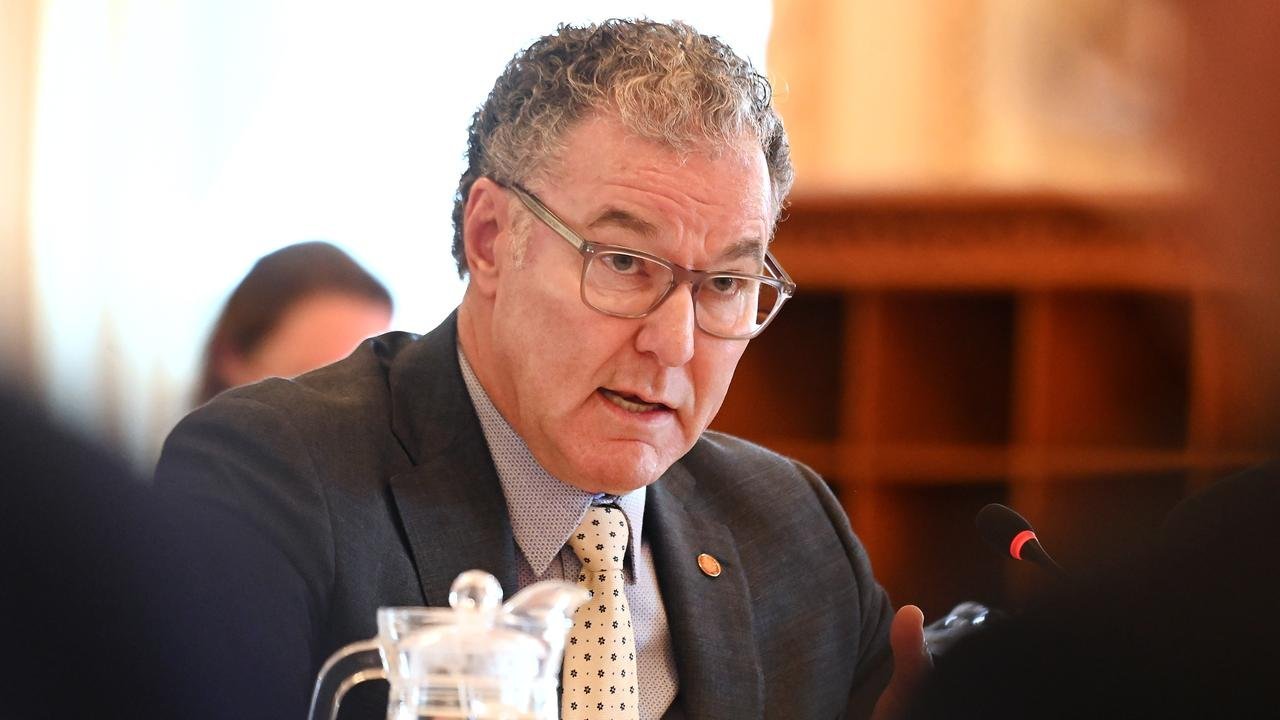
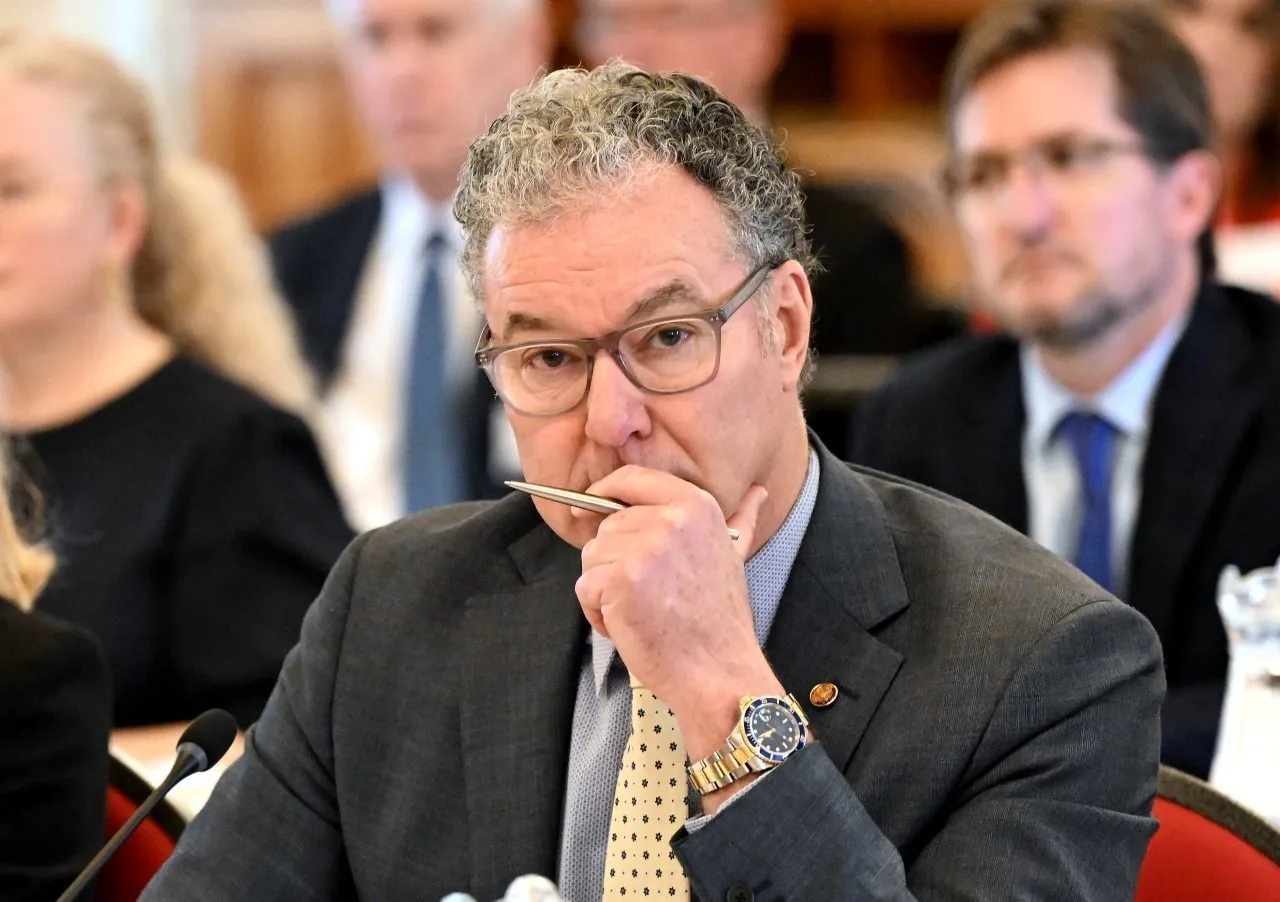
The Queensland government is facing intense criticism over a series of contentious appointments to the state’s Cultural Centre boards, with Arts Minister John-Paul Langbroek at the centre of the storm.
The appointments, which include former senators, veteran LNP politicians, and advisers, have sparked allegations of “jobs-for-mates” and raised concerns about the lack of transparency in the selection process.
One of the most contentious appointments is that of Martine Whitton, a retired part-time administration officer, to the board of the Queensland Museum.
Whitton, who is the daughter of the late Queensland Liberal senator Warwick Parer, has limited experience in the arts sector, having worked as an executive assistant to former Queensland Liberal senator George Brandis and then Queensland LNP leader Deb Frecklington.
Her appointment has been questioned by experts, who point out that she lacks the necessary expertise and experience for the role.
Langbroek’s overhaul of the State Library board has also raised eyebrows, with the removal of experienced Aboriginal and Torres Strait Islander directors sparking concerns about the government’s commitment to diversity and inclusion.
The minister has been accused of wielding too much power in the appointment process, with some arguing that the lack of transparency undermines trust in the government’s decision-making.
Analysis: What This Means for Australia
The Queensland government’s appointment process for Cultural Centre boards is a stark reminder of the need for greater transparency and accountability in decision-making. The lack of clear selection criteria and the apparent favouritism towards former politicians and party loyalists raises serious concerns about the integrity of the process.
As experts warn, the consequences of these appointments could be far-reaching, eroding trust in the government’s ability to make informed decisions and potentially undermining the very institutions they are meant to serve.
Security analysts say that the lack of transparency in the appointment process creates a risk of cronyism and nepotism, which can have serious consequences for the integrity of the institutions involved.
“When appointments are made without a clear and transparent process, it can create a perception that the government is more interested in rewarding its mates than in making decisions in the best interests of the state,” said one analyst.
Law enforcement insiders warn that the lack of accountability in the appointment process can also create opportunities for corruption and favouritism, which can have serious consequences for the community.
“When there is no clear process for selecting board members, it can create a culture of entitlement and privilege, where certain individuals are seen as more deserving of positions of power than others,” said one insider.
In the end, it is up to the Queensland government to ensure that the appointment process for Cultural Centre boards is transparent, accountable, and free from favouritism.
Anything less would be a betrayal of the public trust and a threat to the integrity of the institutions involved.
Queensland government Arts and culture Australian Bureau of Statistics