
Iran’s ‘End of an Era’ Blow to US Military: $53.6 Billion War Bill and a ‘Lopsided’ Arsenal
- The US has suffered a staggering $53.6 billion blow in the war with Iran, with the Pentagon’s latest figures revealing the escalating costs of the conflict.
- Iran’s precision strikes have destroyed or damaged at least 42 American aircraft, 24 MQ-9 Reaper drones, and an A-10 attack plane, with the US struggling to keep up with the losses.
- The war has exposed a “window of vulnerability” in the US’s military capabilities, with analysts warning that it could take years to recover from the depletion of critical stockpiles.
- The conflict has also raised concerns about the US’s ability to deter future threats, particularly in the Western Pacific, where a potential conflict with China looms.
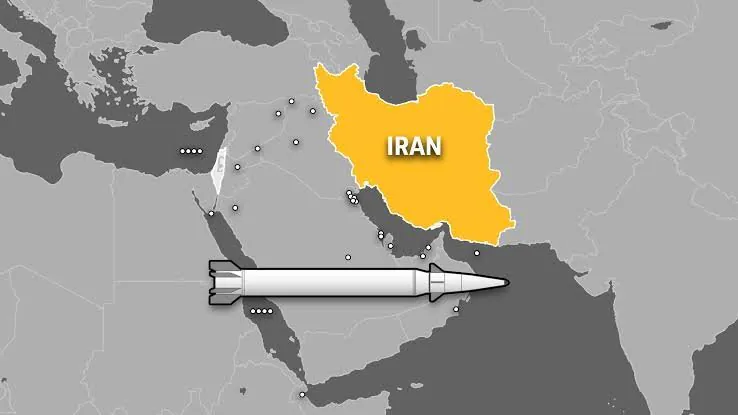
The war with Iran has been a costly one for the United States, with the Pentagon’s latest figures revealing a staggering $53.6 billion bill. But the financial cost is only part of the story – the conflict has also exposed a deeper vulnerability in the US’s military capabilities.
Iran’s precision strikes have destroyed or damaged at least 42 American aircraft, 24 MQ-9 Reaper drones, and an A-10 attack plane, with the US struggling to keep up with the losses.
The US military footprint in the Middle East has sustained heavy damage during the war, with Iran striking US bases and outposts across the Gulf. Camp Buehring, a post in north-western Kuwait, was attacked in March, with two Iranian F-5 planes dropping eight bombs on the facility.
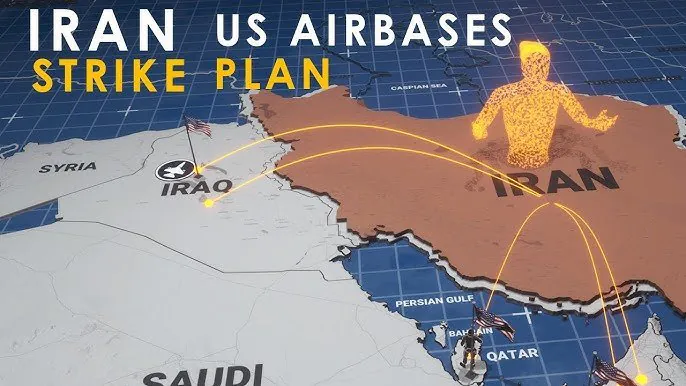
A Jordanian base was also targeted, with a powerful missile defence radar destroyed by Iran. The US Ali Al Salem base in Kuwait has been repeatedly hit, with at least 20 American personnel injured in the attacks.
But the attacks will have a deeper impact than just physical destruction, says Kelly Grieco, a defence policy expert at the Stimson Center. “US bases … were to a large extent, sanctuaries,” she said.
“The fact that this has been exposed as such a vulnerability and that the adversary is able to reach far deeper and to attack the bases has a psychological impact.”
The war has also taken a toll on US military personnel, with 18 service members killed since the conflict began.
Four died in the latest phase of the war, including one killed in northern Iraq while carrying out a controlled detonation of unexploded ordnance from a downed Iranian drone.
Six soldiers were killed in Kuwait during the first few days of the war, with another dying from injuries from a missile attack on Prince Sultan Air Base in Saudi Arabia.
The US has worn down its weapons supply in a way that defence experts had not anticipated. The military has been “eating up” munitions at a rate it cannot afford, says Dr Grieco.
“Things like missile defence systems, long-range strike weapons, Tomahawk missiles. We’ve been going through these at a high expenditure rate.”
Analysis: What This Means for Australia
The conflict has significant implications for Australia’s national security and its relationship with the US. As a key ally of the United States, Australia may be drawn into the conflict, either directly or indirectly.
The depletion of the US’s military stockpiles also raises concerns about the country’s ability to deter future threats in the Asia-Pacific region.
Security analysts say the war has highlighted the importance of Australia’s own military capabilities and the need for the country to invest in its defence forces.
“The conflict has shown that the US is not invincible,” says one analyst. “Australia needs to be able to defend itself and its interests in the region.”
The war has also raised concerns about the impact on global stability and the potential for a wider conflict. As the US and Iran continue to exchange blows, the risk of miscalculation and escalation grows.
Australia must be prepared to navigate this complex and rapidly changing environment, and to work with its allies to promote stability and security in the region.
As the conflict continues to unfold, Australia must also consider the potential economic and social consequences. The war has already led to a significant increase in oil prices, which could have a major impact on the Australian economy.
The conflict also has the potential to disrupt global supply chains and impact on trade relationships.
Ultimately, the war with Iran serves as a stark reminder of the importance of diplomacy and dialogue in resolving conflicts.
As the situation continues to evolve, Australia must work with its allies and partners to promote a peaceful resolution to the conflict and to address the underlying issues that have led to this crisis.