
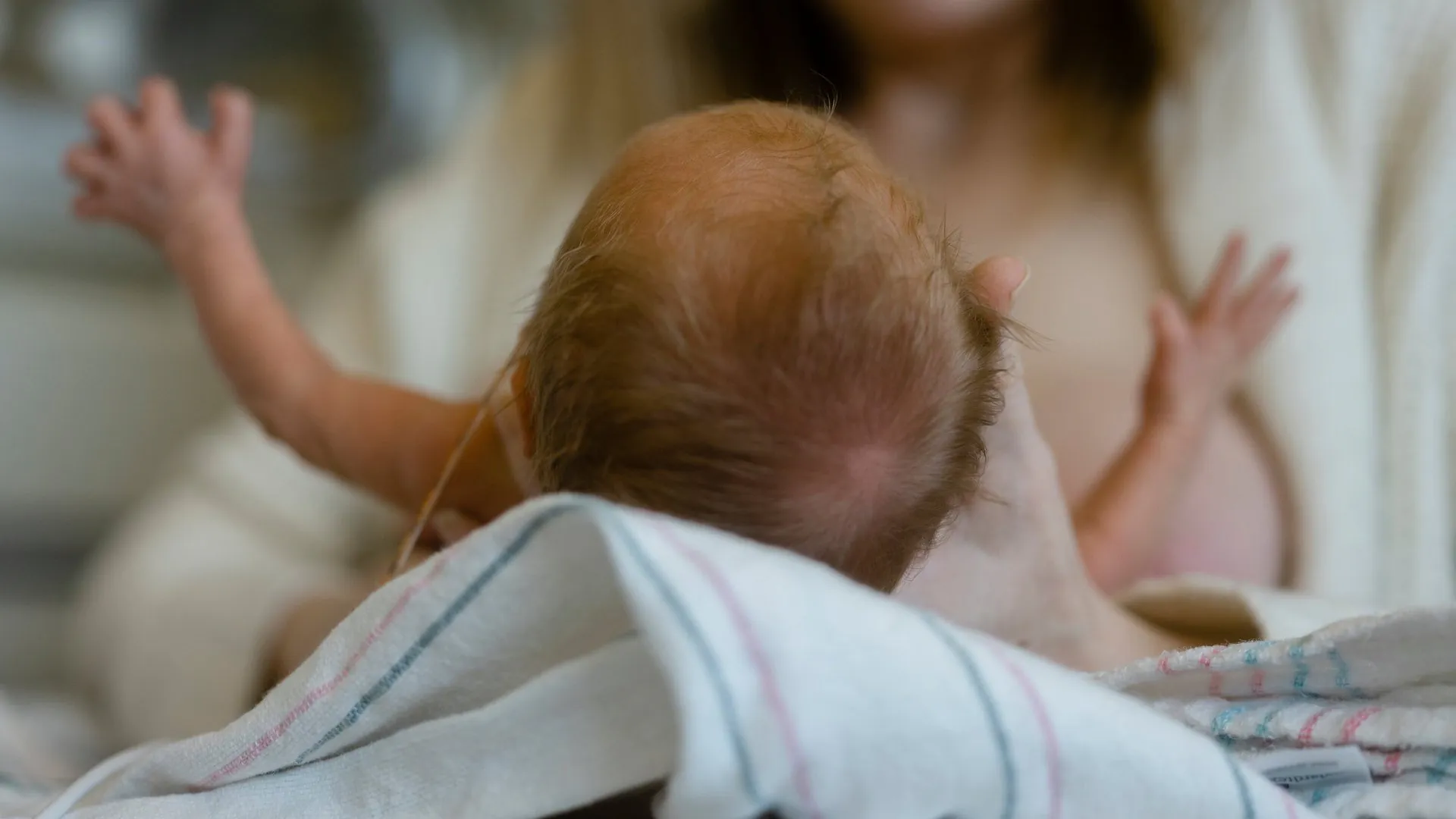
‘Deadly Misinformation’: The Alarming Rise of Australian Parents Refusing Life-Saving Vitamin K Shots for Their Newborns
- A growing number of Australian parents are refusing vitamin K shots for their babies due to misinformation spread by social media influencers.
- Experts warn that this trend is putting babies at risk of developing vitamin K deficiency bleeding, a rare but potentially fatal condition.
- Queensland Health data shows 2,500 babies missed out on vitamin K injections last year due to parental refusal, with a steady decline in vaccination rates since the COVID-19 pandemic.
- Health professionals are urging parents to seek credible information and consult with their doctors or midwives to make informed decisions about vitamin K.
In a disturbing trend that has left medical experts alarmed, an increasing number of Australian parents are refusing to give their newborns vitamin K shots, citing misinformation spread by social media influencers.
Vitamin K is a crucial nutrient that helps babies’ blood to clot, and without it, they are at risk of developing vitamin K deficiency bleeding, a rare but potentially fatal condition that affects about one in 100,000 babies.
According to Queensland Health data, 2,500 babies missed out on vitamin K injections last year due to parental refusal, with a steady decline in vaccination rates since the COVID-19 pandemic.
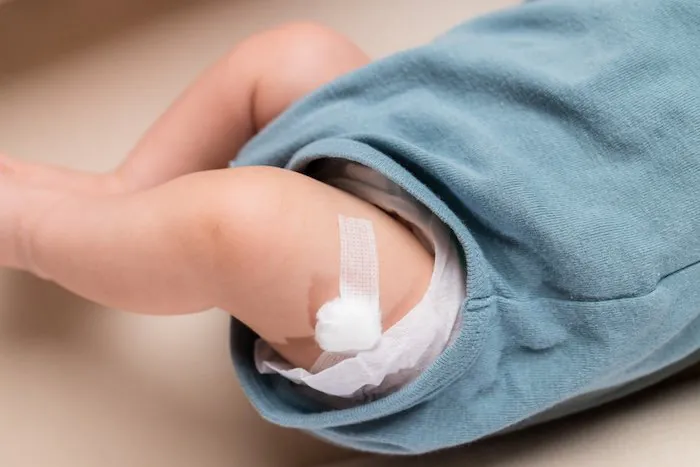
Tasmania has also seen a similar drop, with experts suspecting a downward trend nationally.
The proportion of babies receiving vitamin K by injection or oral dose has been steadily decreasing since the pandemic, leaving health professionals worried about the potential consequences.
The misinformation spread by social media influencers is a major contributor to this trend.
On TikTok and Instagram, influencers from the United States, Australia, and the United Kingdom claim that vitamin K contains dangerous chemicals or has links to jaundice or childhood cancers.
One influencer even suggests that vitamin K is a “murder weapon.” These claims are not only false but also alarming, as they have the potential to put babies’ lives at risk.
Experts warn that the consequences of vitamin K deficiency bleeding can be devastating.
Babies are most vulnerable to developing the condition in the first eight weeks of life, especially if they are born via instrumental delivery or have an underlying liver disorder.
A 24-year study by the Australian Pediatric Surveillance Unit identified 58 babies with vitamin K deficiency bleeding between 1993 and 2017, resulting in six deaths and three associated with home delivery and parental refusal of vitamin K.
Health professionals are urging parents to seek credible information and consult with their doctors or midwives to make informed decisions about vitamin K.
“Ask these questions while you are pregnant, no one needs the stress of making a decision in those few hours or days after birth,” said Australian Medical Association president Danielle McMullen.
“The risks of giving vitamin K are really low and certainly outweighed by the benefit of preventing potentially life-threatening bleeds.”
Analysis: What This Means for Australia
The rise of vaccine misinformation and refusal is a growing concern in Australia, with potential implications for public health. The trend of refusing vitamin K shots is particularly alarming, as it puts babies at risk of developing a potentially fatal condition.
This highlights the need for credible information and education to combat misinformation and ensure that parents make informed decisions about their children’s health.
Security analysts say that the spread of misinformation on social media is a significant threat to public health, particularly in the context of vaccine hesitancy.
“The algorithm may well target them with information to say, ‘Do not give your baby vitamin K’,” said University of Sydney Professor of Pediatrics and Child Health Elizabeth Elliott.
“This is a concern, as it can lead to the spread of misinformation and put babies’ lives at risk.”
Law enforcement insiders warn that the spread of misinformation on social media can have serious consequences, including the potential for harm to individuals and communities.
“We need to be communicating better to parents about the risks of not giving vitamin K and not giving vaccinations and try to allay their concerns that these vaccinations and vitamin K are not safe for their child,” said Professor Elliott.
Industry observers believe that the trend of refusing vitamin K shots is a symptom of a broader issue – the erosion of trust in healthcare and the spread of misinformation on social media.
“We need to be doing more to educate parents and provide them with credible information to make informed decisions about their children’s health,” said Dr. McMullen.