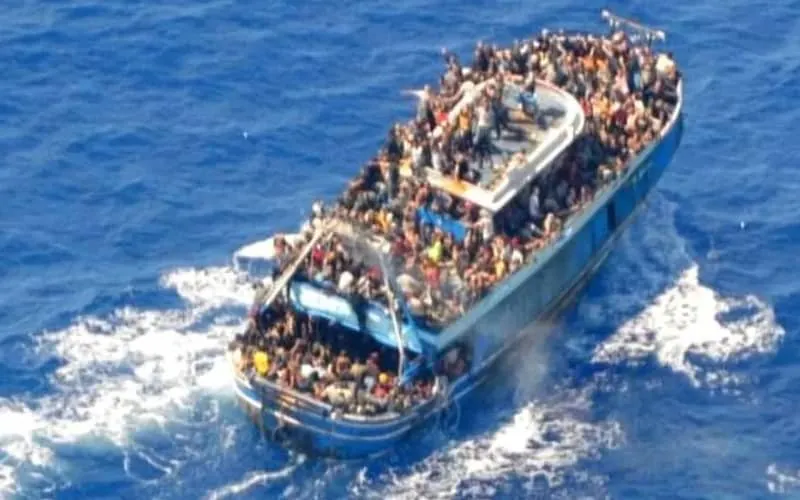
Rohingya Refugee Crisis: Desperate Journeys and Deadly Seas – The Forgotten Plight of the World’s Most Persecuted Minority
- Over 500 Rohingya asylum seekers have vanished off the coast of Myanmar in recent weeks, bringing the total number of people lost at sea this year to more than 800.
- The Rohingya people, a Muslim ethnic minority from Myanmar, have faced decades of persecution and violence, with many forced to flee their homes in search of safety and a better life.
- Conditions in refugee camps in Bangladesh are overcrowded and desperate, with reports of violent crime, malnutrition, and exploitation, driving many to risk their lives on deadly sea journeys.
- Australia has a regional leadership role to play in providing humanitarian and development aid to the Rohingya, and engaging with the Myanmar government to ensure a safe and dignified repatriation.
The Rohingya people have faced persecution in Myanmar for generations, with many forced to flee their homes in search of safety and a better life. But the journey is treacherous, and the risks are high.
In recent weeks, two boats carrying over 500 Rohingya asylum seekers have disappeared off the coast of Myanmar, bringing the total number of people lost at sea this year to more than 800.
The Rohingya are not recognised as a distinct ethnic group in Myanmar, and are instead accused of being foreigners who migrated illegally from Bangladesh. However, historians say there is evidence their presence in the area goes back centuries.
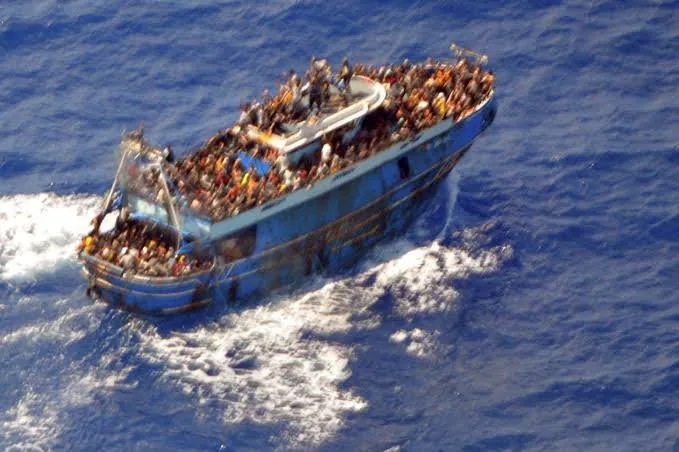
Denied citizenship rights, the Rohingya are the world’s largest stateless population, according to the UNHCR.
In 2017, a co-ordinated program of killings and arson by the Myanmar military forced over 750,000 Rohingya to flee across the border to Bangladesh.




The military has insisted its deadly campaign was a legitimate counter-terrorism operation, but a case is underway in the UN World Court with the Myanmar military accused of genocide.
Since 2017, tens of thousands more Rohingya have swollen the refugee camps in Cox’s Bazar to an estimated 1.2 million living in a “labyrinthine tent city” covering about 24 square kilometres.
Conditions in the camps are overcrowded and desperate, with reports of violent crime, malnutrition, and exploitation.
According to the UNHCR, the two vessels that disappeared in recent weeks departed from Rakhine State in late June carrying mostly Rohingya passengers, reportedly including some who had travelled from the refugee camps in Cox’s Bazar.
One boat, believed to have been carrying around 250 people, lost contact shortly after departure. A second boat, reportedly carrying some 280 people, is believed to have sunk off Myanmar’s Ayeyarwady coast on July 8.
Chris Lewa, the founder and director of the Arakan Project, said there was a misperception that the people on the boat were so desperate they decided to leave outside the sailing season between October and April.
However, she said they had actually gathered to leave in April but had been held by the people smugglers for two-and-a-half months in Thameehla village in Northern Rakhine.
Analysis: What This Means for AustraliaThe Rohingya refugee crisis has significant implications for Australia’s regional leadership role in providing humanitarian and development aid.
Australia has a responsibility to engage with the Myanmar government to ensure a safe and dignified repatriation of the Rohingya population. Furthermore, Australia must also consider the security implications of the crisis, as desperate and vulnerable people are more susceptible to exploitation by terrorist organisations.
Security analysts say that the Rohingya crisis has the potential to destabilize the region, and that Australia must take a proactive role in addressing the root causes of the crisis.
Law enforcement insiders warn that the smuggling networks that are exploiting the Rohingya are also involved in other forms of transnational crime, including human trafficking and narcotics smuggling.
Industry observers believe that the Rohingya crisis is a test of Australia’s commitment to human rights and regional leadership.
As a major player in the region, Australia has a responsibility to provide humanitarian and development aid to the Rohingya, and to engage with the Myanmar government to ensure a safe and dignified repatriation.
The UNHCR and the UN International Organization for Migration have called for stronger regional and international efforts to prevent further loss of life along the deadly maritime route.
This includes enhanced search and rescue efforts, access to asylum and protection, and actions against smuggling and trafficking networks.
Hafsar Tameesuddin, a New Zealand-based Rohingya refugee and human rights activist, said that Australia had a critical role to play in providing humanitarian and development aid to the Rohingya.
She said that the conditions in the camps were desperate, with reports of violent crime, malnutrition, and exploitation, and that many were forced to risk their lives on deadly sea journeys.
“It’s a humanitarian crisis, and it’s a crisis of dignity,” she said. “The Rohingya people are not just statistics, they are human beings who deserve to be treated with dignity and respect.”
The Rohingya people have faced persecution in Myanmar for generations, with many forced to flee their homes in search of safety and a better life. But the journey is treacherous, and the risks are high. In recent weeks, two boats carrying over 500 Rohingya asylum seekers have disappeared off the coast of Myanmar, bringing the total number of people lost at sea this year to more than 800.
The Rohingya are not recognised as a distinct ethnic group in Myanmar, and are instead accused of being foreigners who migrated illegally from Bangladesh. However, historians say there is evidence their presence in the area goes back centuries. Denied citizenship rights, the Rohingya are the world’s largest stateless population, according to the UNHCR.
In 2017, a co-ordinated program of killings and arson by the Myanmar military forced over 750,000 Rohingya to flee across the border to Bangladesh. The military has insisted its deadly campaign was a legitimate counter-terrorism operation, but a case is underway in the UN World Court with the Myanmar military accused of genocide.
Since 2017, tens of thousands more Rohingya have swollen the refugee camps in Cox’s Bazar to an estimated 1.2 million living in a “labyrinthine tent city” covering about 24 square kilometres. Conditions in the camps are overcrowded and desperate, with reports of violent crime, malnutrition, and exploitation.
According to the UNHCR, the two vessels that disappeared in recent weeks departed from Rakhine State in late June carrying mostly Rohingya passengers, reportedly including some who had travelled from the refugee camps in Cox’s Bazar. One boat, believed to have been carrying around 250 people, lost contact shortly after departure. A second boat, reportedly carrying some 280 people, is believed to have sunk off Myanmar’s Ayeyarwady coast on July 8.
Chris Lewa, the founder and director of the Arakan Project, said there was a misperception that the people on the boat were so desperate they decided to leave outside the sailing season between October and April. However, she said they had actually gathered to leave in April but had been held by the people smugglers for two-and-a-half months in Thameehla village in Northern Rakhine.
The Rohingya refugee crisis has significant implications for Australia’s regional leadership role in providing humanitarian and development aid. Australia has a responsibility to engage with the Myanmar government to ensure a safe and dignified repatriation of the Rohingya population. Furthermore, Australia must also consider the security implications of the crisis, as desperate and vulnerable people are more susceptible to exploitation by terrorist organisations.
Security analysts say that the Rohingya crisis has the potential to destabilize the region, and that Australia must take a proactive role in addressing the root causes of the crisis. Law enforcement insiders warn that the smuggling networks that are exploiting the Rohingya are also involved in other forms of transnational crime, including human trafficking and narcotics smuggling.
Industry observers believe that the Rohingya crisis is a test of Australia’s commitment to human rights and regional leadership. As a major player in the region, Australia has a responsibility to provide humanitarian and development aid to the Rohingya, and to engage with the Myanmar government to ensure a safe and dignified repatriation.
The UNHCR and the UN International Organization for Migration have called for stronger regional and international efforts to prevent further loss of life along the deadly maritime route. This includes enhanced search and rescue efforts, access to asylum and protection, and actions against smuggling and trafficking networks.
Hafsar Tameesuddin, a New Zealand-based Rohingya refugee and human rights activist, said that Australia had a critical role to play in providing humanitarian and development aid to the Rohingya. She said that the conditions in the camps were desperate, with reports of violent crime, malnutrition, and exploitation, and that many were forced to risk their lives on deadly sea journeys.
“It’s a humanitarian crisis, and it’s a crisis of dignity,” she said. “The Rohingya people are not just statistics, they are human beings who deserve to be treated with dignity and respect.”