Western Australia Takes Unprecedented Step To Combat Drink Driving With $20 Vouchers For Sober Drivers
- Manjimup police are handing out $20 vouchers to drivers who blow zero during breath tests in a bid to encourage good behaviour on the roads
- The innovative approach is part of a local road safety initiative, with 100 vouchers to be given out throughout September
- Experts say the move is a positive step towards building rapport between police and the community, but its effectiveness in reducing drink driving remains to be seen
- The campaign comes as Western Australia grapples with a horror year on its roads, with police ramping up efforts to promote safe driving practices
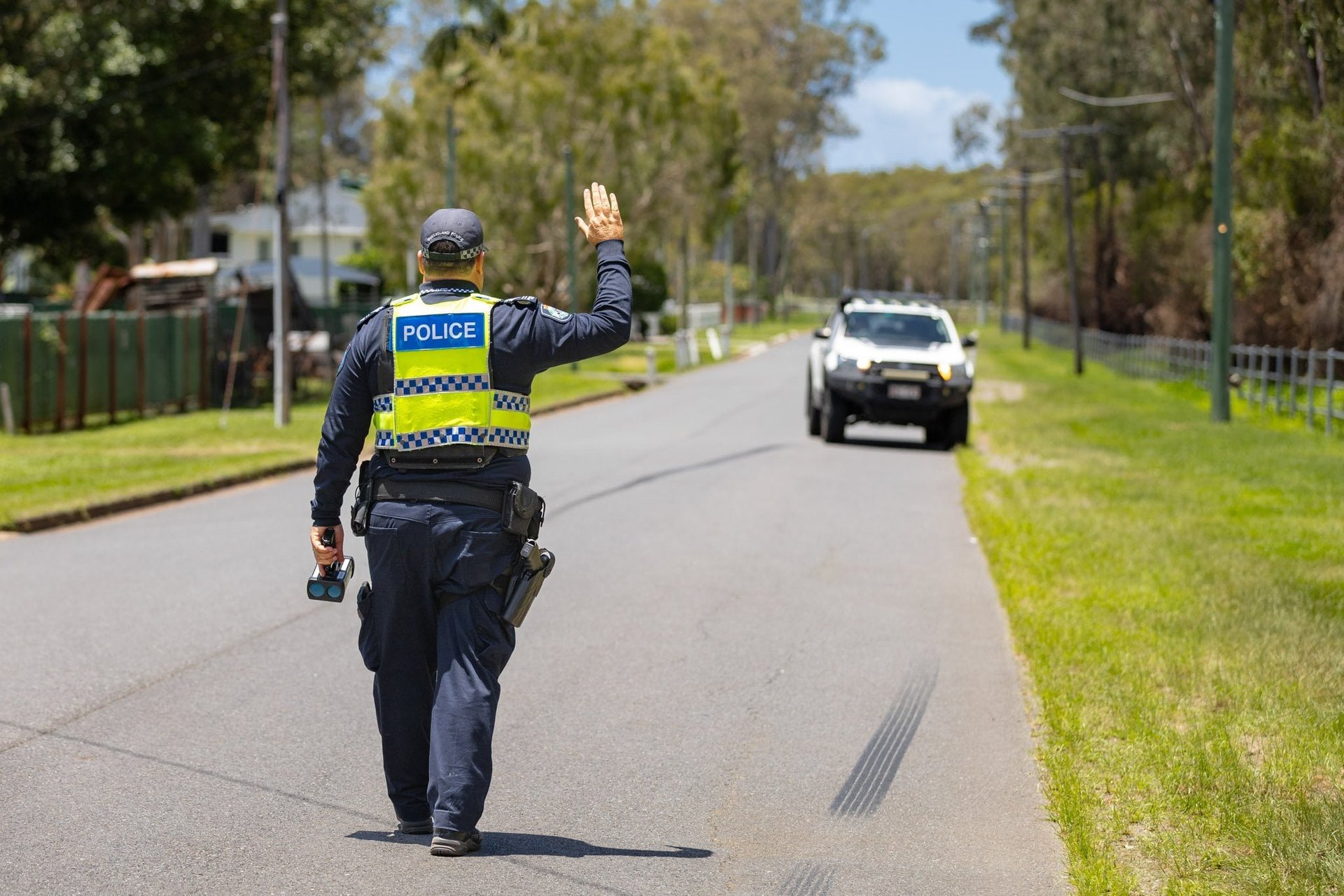
In a bold move to tackle the scourge of drink driving, police in the small Western Australian town of Manjimup are taking a novel approach by rewarding sober drivers with $20 vouchers.
The initiative, which will see 100 vouchers handed out throughout September, is part of a broader effort to promote road safety in the region.
According to Officer-in-charge Sergeant Tyler Winter, the vouchers will be given to drivers who blow zero during breath tests, as a way of reinforcing positive behaviour on the roads.
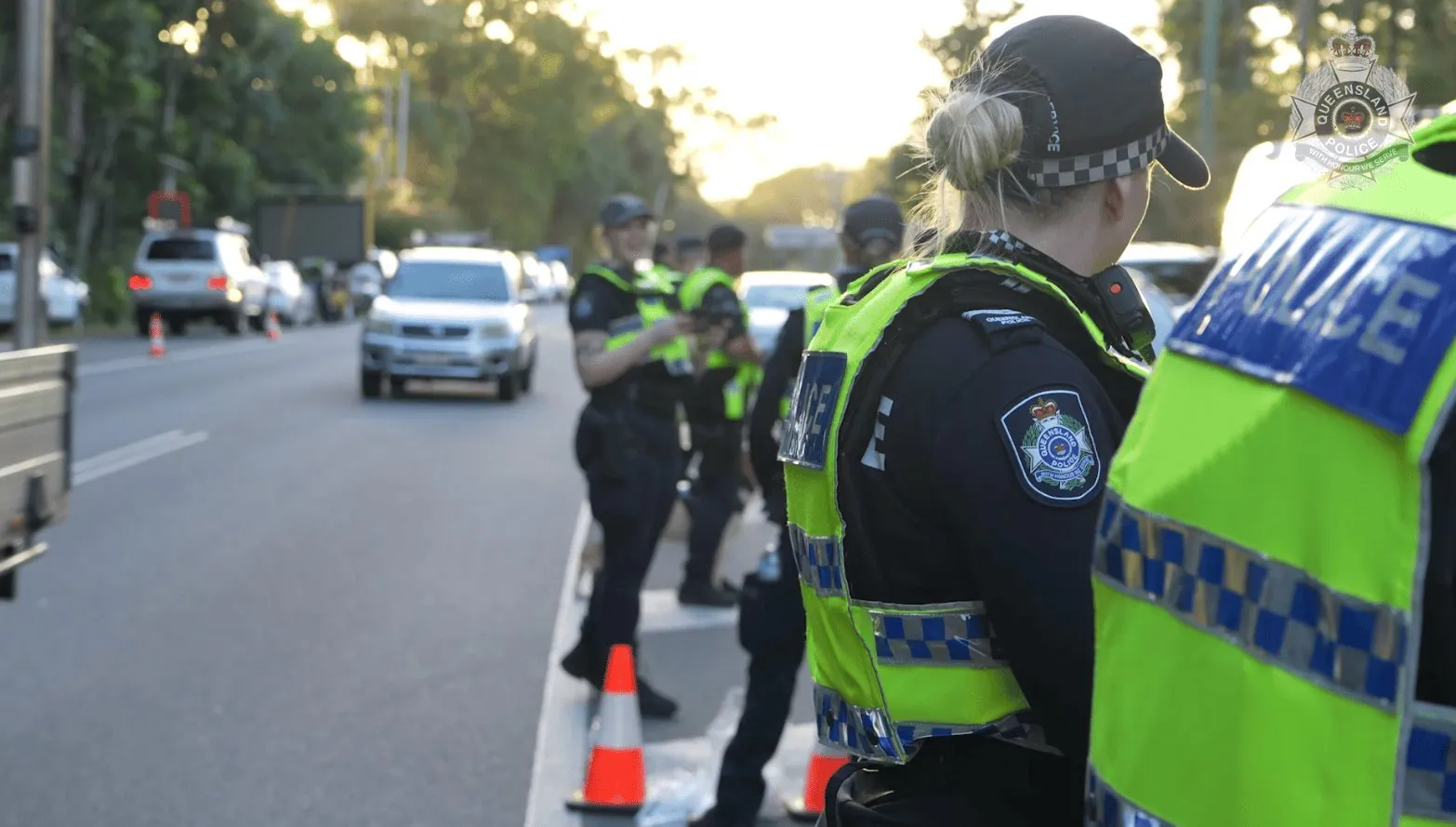
The campaign is particularly timely, given the upcoming football finals and school holidays, which are expected to see more people on the roads.
Sergeant Winter explained that the decision to launch the initiative in September was deliberate, as it coincides with a period of increased activity on the roads.



“If they are doing the right thing, if they are not breaking any laws, and they blow zero, then we may give them one of the $20 vouchers,” he said.
The vouchers, which are worth a total of $2,000, were funded by the Drug and Alcohol support service Holyoake, which sits on the local road safety committee.
While the initiative has been welcomed as a positive step towards promoting road safety, some experts have questioned its effectiveness in reducing drink driving.
Criminologist Matthew Morgan, from the Australian Catholic University, described the approach as a “novel” one, but cautioned that its impact on drink driving rates remains to be seen.
“It’s definitely a PR exercise on behalf of police,” Dr Morgan said.
“I definitely think it’s a good way of building interest with the community, but whether it will actually reduce drink driving, I’m not so sure.” Dr Morgan pointed to research that suggests drivers tend to respond well to immediate feedback, citing the example of roadside electronic speed checks that display a smiling or frowning face in response to a driver’s adherence to the speed limit.
Despite the uncertainty surrounding its effectiveness, the initiative has been welcomed by local residents and road safety advocates.
Team leader Jo Woodruff, from Holyoake, said the organisation would be working with police to collect data on the initiative’s impact, with a view to assessing its effectiveness and potentially rolling it out in subsequent years.
“This effectively is our first run, so it is going to be our baseline, with the hope that we would do this in subsequent years and see some improvements,” she said.
As Western Australia continues to grapple with the issue of drink driving, the Manjimup initiative offers a glimmer of hope that a combination of education, enforcement, and community engagement can help to reduce the number of lives lost on the state’s roads.
With the AFL Grand Final and school holidays looming, Western Australia is bracing itself for a period of increased activity on the roads. The state has already experienced a horror year on its roads, with a number of high-profile accidents and fatalities.
In response, police are ramping up their efforts to promote safe driving practices, including the use of double demerits during peak periods.
The Manjimup initiative is just one part of a broader effort to tackle the issue of drink driving, which remains one of the leading causes of road accidents and fatalities in Western Australia.
Analysis: What This Means for Australia
The Manjimup initiative offers a fascinating insight into the ways in which law enforcement agencies are seeking to engage with their communities and promote safe driving practices.
By rewarding sober drivers with $20 vouchers, police are seeking to build trust and reinforce positive behaviour on the roads.
However, the effectiveness of this approach remains to be seen, and it will be important to monitor the results of the initiative and assess its impact on drink driving rates.
As Australia continues to grapple with the issue of road safety, initiatives like the one in Manjimup offer a valuable contribution to the national conversation about how to reduce the number of lives lost on our roads.
Security analysts say that the use of incentives and community engagement can be a powerful tool in promoting safe driving practices, and it will be interesting to see whether this approach is adopted more widely across the country.
Law enforcement insiders warn that drink driving remains a major concern for police, and that a combination of education, enforcement, and community engagement is needed to tackle the issue.
The Manjimup initiative is a positive step in this direction, but it is just one part of a broader effort to promote road safety and reduce the number of lives lost on Western Australia’s roads.
As the state prepares for a period of increased activity on the roads, it is essential that drivers are aware of the risks associated with drink driving and take steps to plan their journeys safely.
By working together, we can reduce the number of accidents and fatalities on our roads and create a safer, more responsible driving culture.
Industry observers believe that the use of technology, such as roadside electronic speed checks, can also play a critical role in promoting safe driving practices. By providing immediate feedback to drivers, these systems can help to reinforce positive behaviour and reduce the risk of accidents.
As Western Australia continues to invest in road safety initiatives, it will be important to consider the role that technology can play in supporting these efforts.
By combining education, enforcement, and community engagement with the latest technology, we can create a comprehensive approach to road safety that saves lives and reduces the risk of accidents.
In terms of national security implications, the Manjimup initiative highlights the importance of community engagement and cooperation in promoting safe driving practices.
By working together, law enforcement agencies, community organisations, and individual drivers can help to reduce the risk of accidents and create a safer, more responsible driving culture.
This approach can also have broader implications for national security, as it helps to build trust and reinforce positive relationships between police and the community.
As Australia continues to face a range of security challenges, initiatives like the one in Manjimup offer a valuable reminder of the importance of community engagement and cooperation in promoting safety and security.
For more information on road safety initiatives in Western Australia, visit the website of the Western Australia Police or the Australian Catholic University. You can also learn more about the road safety initiatives and drink driving laws in your state or territory.
By working together, we can create a safer, more responsible driving culture and reduce the number of lives lost on our roads.