
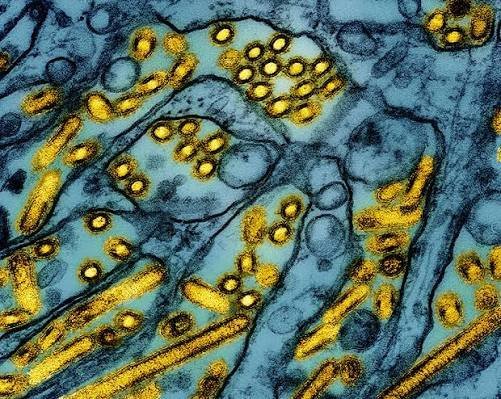
Bird Flu Outbreak: Queensland on High Alert as Deadly H5 Strain Hits State’s Shores for the First Time
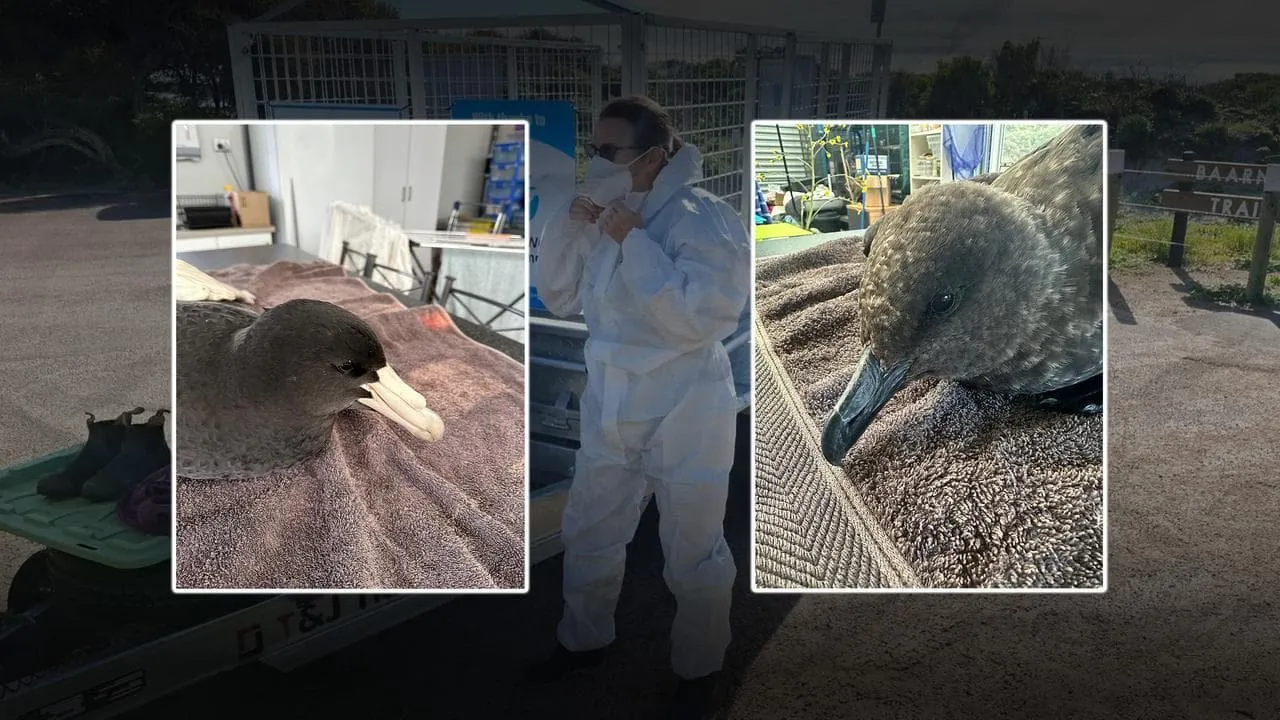
- A petrel found on Moreton Island, 75 minutes north of Brisbane, has tested positive for the highly pathogenic avian influenza, sparking fears for native wildlife and the poultry industry.
- The discovery marks the first time the H5 bird flu strain has been detected in Queensland, with the state joining Western Australia, South Australia, and NSW in the growing list of affected regions.
- Experts warn that the virus could have catastrophic consequences for vulnerable species, pushing them closer to extinction, and are urging poultry farmers to take immediate action to protect their flocks.
- Despite the risks, authorities say the threat to human health remains low, but the outbreak has prompted a surge in surveillance and awareness efforts to contain the spread of the disease.
The discovery of the H5 bird flu strain on Moreton Island has sent shockwaves through Queensland’s wildlife and poultry communities, with experts warning of the devastating consequences of the outbreak.
The petrel, found by wildlife rangers, is the first confirmed case of the highly pathogenic avian influenza in the state, and marks a worrying escalation of the disease’s spread across Australia.
The H5 bird flu strain has now been detected in four states, with Victoria remaining the only state that is bird flu-free. The outbreak has prompted warnings from authorities that the virus could have catastrophic consequences for native wildlife, pushing vulnerable species closer to extinction.
Poultry farmers are also on high alert, with the Department of Primary Industry urging them to take immediate action to protect their flocks.
Despite the risks, authorities say the threat to human health remains low, but the outbreak has prompted a surge in surveillance and awareness efforts to contain the spread of the disease.
Queensland Chief Veterinary Officer Dr Allison Crook said the confirmed case had been expected, and that the state had escalated its surveillance program and was delivering heightened H5 bird flu awareness and engagement activities.
The outbreak has also sparked a response from the federal government, with Federal Agriculture Minister Julie Collins saying the Commonwealth was working with the poultry industry to keep the “very virulent” and “highly contagious” strain at bay.
Collins noted that Australia had successfully eradicated two outbreaks of the H7 bird flu virus in the last five years, and was confident that a similar approach could be taken with the H5 strain.
Analysis: What This Means for Australia
The H5 bird flu outbreak has significant implications for Australia’s native wildlife and the poultry industry. The spread of the disease could have catastrophic consequences for vulnerable species, pushing them closer to extinction.
The outbreak also highlights the need for increased surveillance and awareness efforts to contain the spread of the disease, and for poultry farmers to take immediate action to protect their flocks.
Dr Carol Booth, policy director at the Invasive Species Council, warned that the spread of bird flu should alarm anyone who cares about native animals. “Australia’s wildlife is already under intense pressure, and the H5 bird flu could tip quite a lot of them much closer to extinction,” she said.
Security analysts say that the outbreak highlights the need for increased biosecurity measures to prevent the spread of the disease, and for greater cooperation between state and federal governments to contain the outbreak.
Law enforcement insiders warn that the outbreak could also have implications for the poultry industry, with the potential for significant economic losses if the disease is not contained.
Industry observers believe that the outbreak could lead to increased regulations and restrictions on the poultry industry, and that farmers will need to take immediate action to protect their flocks.