

Tragic Fall of an NFL Star: How Jordan Devey’s Hidden Struggles Led to a Shocking End
- Former NFL guard Jordan Devey’s sudden death at 38 has sent shockwaves through the sports community, with his wife revealing he took his own life.
- Devey’s heartbreaking story is a stark reminder of the hidden struggles faced by athletes, and the devastating consequences of untreated mental health issues.
- A GoFundMe page has been set up to support Devey’s family, with a goal of $200,000 to ease the financial burden and allow them to focus on healing.
- Devey’s tragic death serves as a wake-up call for the NFL and sports community to prioritize mental health support and resources for athletes.
The news of Jordan Devey’s death sent shockwaves through the sports community, leaving fans and fellow athletes reeling in disbelief.
The 38-year-old former NFL guard, who played for several teams including the Ravens, Patriots, and Chiefs, had seemingly it all – a loving family, a successful career, and a strong faith.
But beneath the surface, Devey was struggling with demons that ultimately led to his tragic demise.
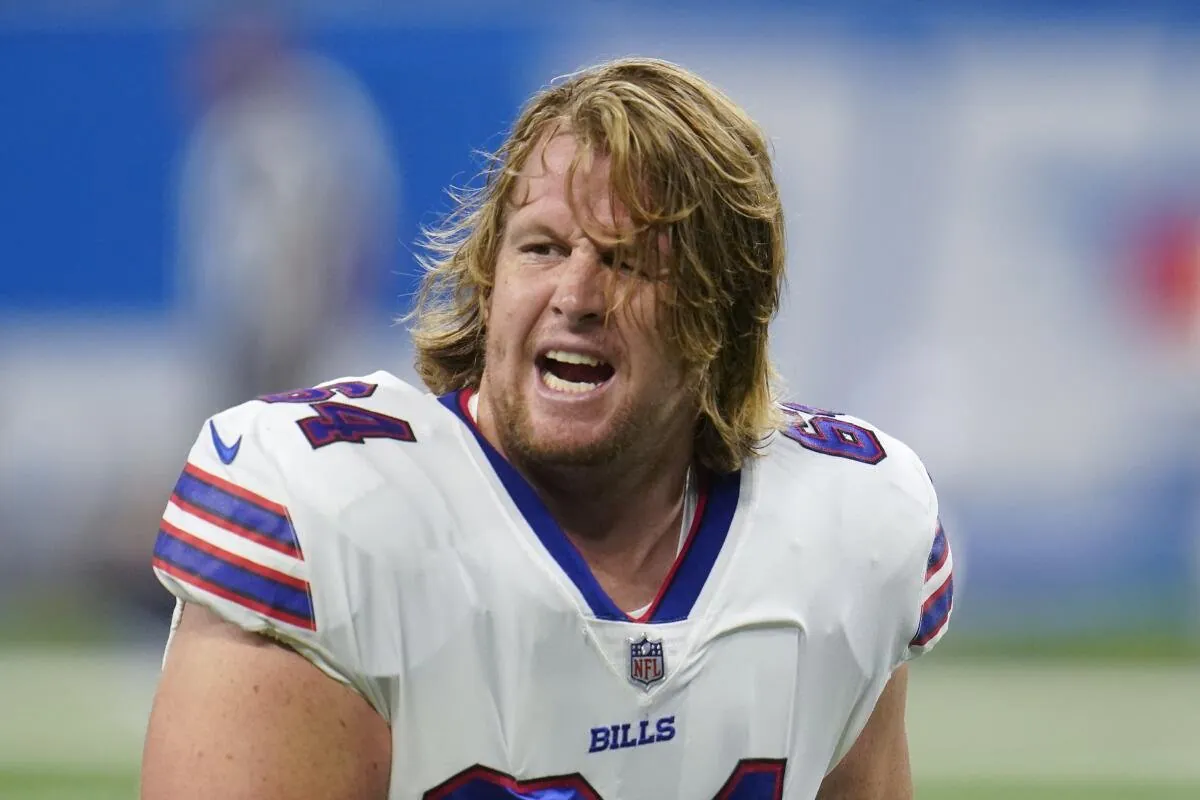
Devey’s wife, Lindsey, took to Instagram to share the devastating news, revealing that her husband had taken his own life.
The couple, who were just days away from celebrating their 15th wedding anniversary, had four beautiful children together, and Devey’s death has left them with a gaping hole in their lives.
Lindsey’s heartbreaking post, which included a photo of her leaning over Devey in a hospital bed, has sparked an outpouring of support from the community, with many rallying around the family in their time of need.
Devey’s journey to the NFL was not an easy one. Undrafted out of Memphis in 2013, he worked his way up the ranks, eventually signing with the Ravens and later joining the Patriots’ practice squad.
He played six regular-season games in 2014, the same year the team won the Super Bowl over the Seahawks. Devey went on to play for several other teams, including the Chiefs, Raiders, and Bills, before finishing his career in 2021.
But despite his success on the field, Devey’s struggles off the field were well-documented.
He was known for his unwavering dedication to serving others, volunteering as a coach for his own children’s teams and for the athletes at Eagle High School, where he was deeply loved by the players.
However, his commitment to uplifting those around him extended far beyond sports, as he faithfully served in his church, offering support, counsel, and friendship to anyone in need.
Devey’s death serves as a stark reminder of the hidden struggles faced by athletes, and the devastating consequences of untreated mental health issues.
The NFL and sports community have been criticized in the past for their handling of mental health, with many athletes feeling pressure to keep their struggles private for fear of being seen as weak.
But Devey’s story is a wake-up call for change – a reminder that mental health support and resources must be prioritized, and that athletes must feel comfortable seeking help without fear of judgment.
Analysis: What This Means for Australia
Devey’s death may seem like a distant tragedy, but its impact extends far beyond the sports community. In Australia, where sports are an integral part of our culture, the pressure to perform can be overwhelming.
The Australian sports community must take heed of Devey’s story, recognizing the need for increased mental health support and resources for athletes. This includes providing access to counseling services, mental health professionals, and creating a safe and supportive environment where athletes feel comfortable seeking help.
Security analysts say that the sports community must also acknowledge the role of social media in exacerbating mental health issues. The constant scrutiny and pressure to maintain a perfect image can take a toll on athletes, leading to feelings of isolation and disconnection.
By promoting a more realistic and authentic portrayal of athletes, we can work to break down the stigma surrounding mental health and encourage athletes to speak out about their struggles.
Law enforcement insiders warn that the sports community must also be aware of the potential for exploitation by predators who prey on vulnerable athletes.
Devey’s death is a tragic reminder of the devastating consequences of untreated mental health issues, and the need for increased support and resources to protect athletes from those who would seek to harm them.
Industry observers believe that Devey’s death will serve as a catalyst for change, prompting the sports community to re-examine its approach to mental health and prioritize the well-being of athletes.
As we move forward, it is essential that we remember Devey’s story, and work towards creating a more supportive and inclusive environment for athletes to thrive.