
Tragedy Unfolds in Far North Queensland as Police Shooting Exposes Fears Over Mental Health and Gun Control
- A 28-year-old man, Richard Allen Tom, was shot by police after a chaotic incident in Cairns, leaving a bystander injured and sparking debate over Australia’s mental health system.
- Tom, who had been released from prison just hours earlier, had been taken to hospital for mental health treatment but was discharged shortly before the shooting.
- Police fired multiple shots at Tom, hitting him in the elbow and leg, after he allegedly broke into two homes and wielded knives, raising questions over law enforcement’s approach to mentally unstable individuals.
- The incident has prompted an investigation by the Ethical Standards Command, with oversight from the Crime and Corruption Commission, as police face scrutiny over their handling of the situation.
In a shocking turn of events, a Far North Queensland community was left reeling after a police shooting that has raised more questions than answers.
Richard Allen Tom, 28, was shot by police after a chaotic incident in Cairns, leaving a bystander injured and sparking debate over Australia’s mental health system.
The events leading up to the shooting are a stark reminder of the complexities of policing and the need for a more nuanced approach to dealing with mentally unstable individuals.
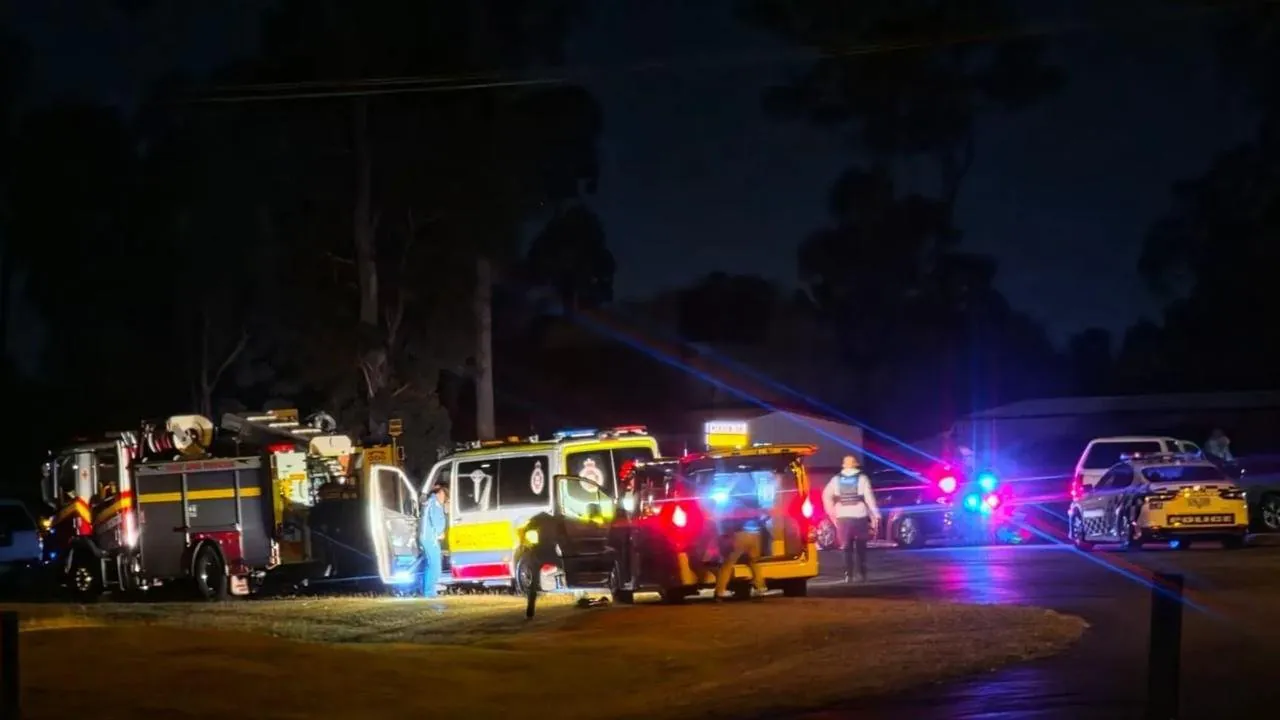
According to police, Tom had been taken to Cairns Hospital for mental health treatment just hours before the shooting, after being found naked and jumping on cars.
However, he was discharged shortly before the altercation that led to him being shot. This sequence of events has raised concerns over the adequacy of Australia’s mental health system and whether it is equipped to handle individuals like Tom.
“Frankly, this person should have been in a mental health facility to start with, and they shouldn’t have been out in the community,” Queensland Police Union representative Shane Prior said.
The incident began when police responded to reports of a man breaking into two homes on Benjamina St in Mount Sheridan, a suburb of Cairns. Tom allegedly wielded knives, prompting police to try and engage him before attempting to hit him with a police car.
When this failed, officers fired upwards of a dozen shots at him at a busy intersection, hitting him in the elbow and the leg.
The woman, who was standing at her front door, was struck by a stray police bullet and was rushed to hospital with a non-life-threatening injury.
Far Northern region assistant commissioner Graeme Paine defended the police’s actions, stating that they had put the safety of the community first. “The officers have felt the level of that threat required them to discharge their firearms,” he said.
However, the incident has sparked debate over the use of force and whether police are adequately trained to handle situations involving mentally unstable individuals.
Analysis: What This Means for Australia
The incident highlights the need for a more comprehensive approach to mental health in Australia. The fact that Tom was released from prison and discharged from hospital shortly before the shooting raises questions over the effectiveness of the current system.
“This incident is a wake-up call for Australia to take a hard look at its mental health policies and ensure that individuals like Tom receive the help they need,” said a security analyst.
Furthermore, the use of force by police has sparked concerns over the need for greater accountability and transparency in law enforcement.
Security analysts say that the incident highlights the complexities of policing in Australia and the need for a more nuanced approach to dealing with mentally unstable individuals.
“Police officers are often the first point of contact for individuals in crisis, and they require adequate training and resources to handle these situations effectively,” said a law enforcement expert.
Industry observers believe that the incident will lead to a renewed focus on mental health reform in Australia.
“This incident is a tragic reminder of the need for a comprehensive approach to mental health, one that prioritizes prevention and early intervention,” said a mental health advocate.