
Indigenous Community Left High and Dry as Only Rehab Centre Closes Amid Claims of ‘Culturally Inappropriate’ Care
- The Mimosa Creek Healing Centre in Woorabinda, Queensland, has shut its doors after 14 years, leaving the community without a single rehab facility.
- The centre’s termination was sparked by community concerns over ‘culturally inappropriate’ care and poor recovery outcomes, according to the local council.
- The organisation behind the centre claims it was never informed of these concerns and will continue all operations, except rehab, in a new location.
- The closure has sparked fears for the welfare of the community, where residents are already vulnerable to addiction and mental health issues.
The sudden closure of the Mimosa Creek Healing Centre has sent shockwaves through the remote Indigenous community of Woorabinda, leaving residents without access to vital rehabilitation services.
The centre, which had been operating for 14 years, was the only one of its kind in the area, providing residential rehabilitation for Aboriginal and Torres Strait Islander men struggling with addiction.
According to the Woorabinda Aboriginal Shire Council, the decision to terminate the centre’s lease was made in response to community concerns over the ‘cultural appropriateness’ of the care provided.
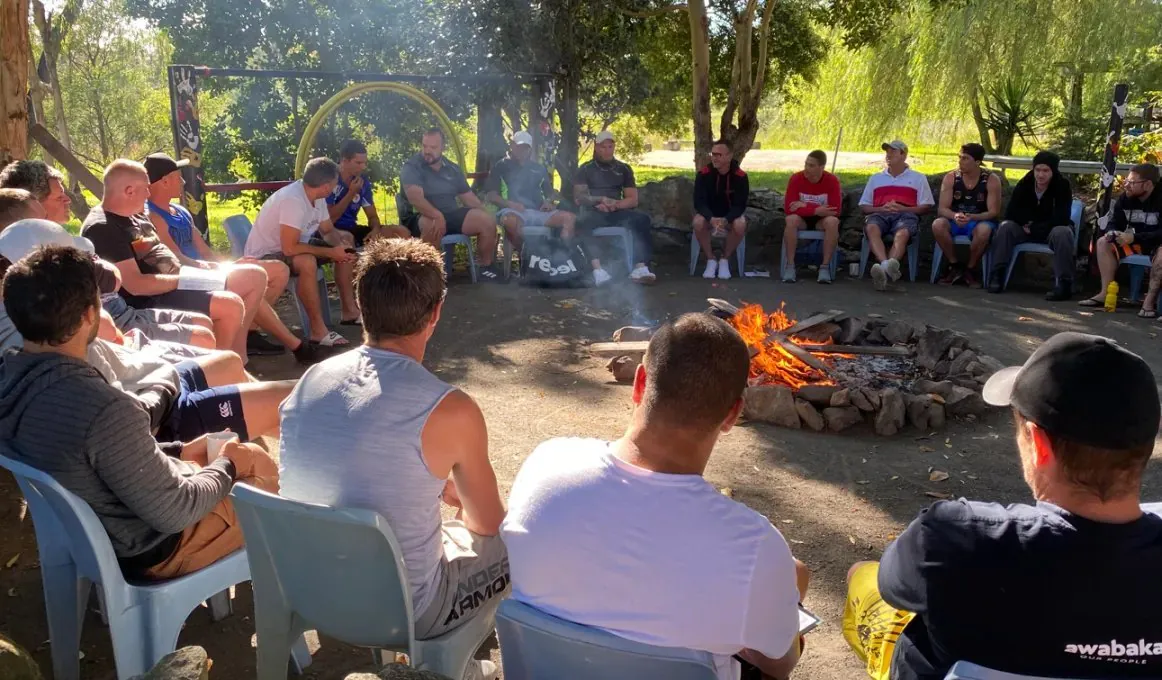
The council’s minutes from the meeting where the decision was made reveal that community members had expressed concerns that the service was not meeting the needs of Aboriginal men, leading to poor recovery outcomes.
However, Jason Field, CEO of Central Queensland Indigenous Development (CQID), the organisation that ran the centre, claims that these concerns were never raised with them. “We had no idea that these concerns existed,” he said.
“We had successfully secured government funding for the centre and had been operating for 14 years without any major issues.”
Despite requests for meetings and letters pleading for the decision to be reviewed, the council remained resolute, and the centre was forced to vacate the premises by July 8.
The organisation has since found a new location in Woorabinda to continue its other programs, including drug and alcohol services, family support, and youth support. However, residential rehabilitation will not be able to continue due to a lack of a suitable facility.
The closure of the centre has sparked concerns over the welfare of the community, where residents are already vulnerable to addiction and mental health issues. Woorabinda has a population of around 1,000 people, and the centre was a vital resource for those struggling with addiction.
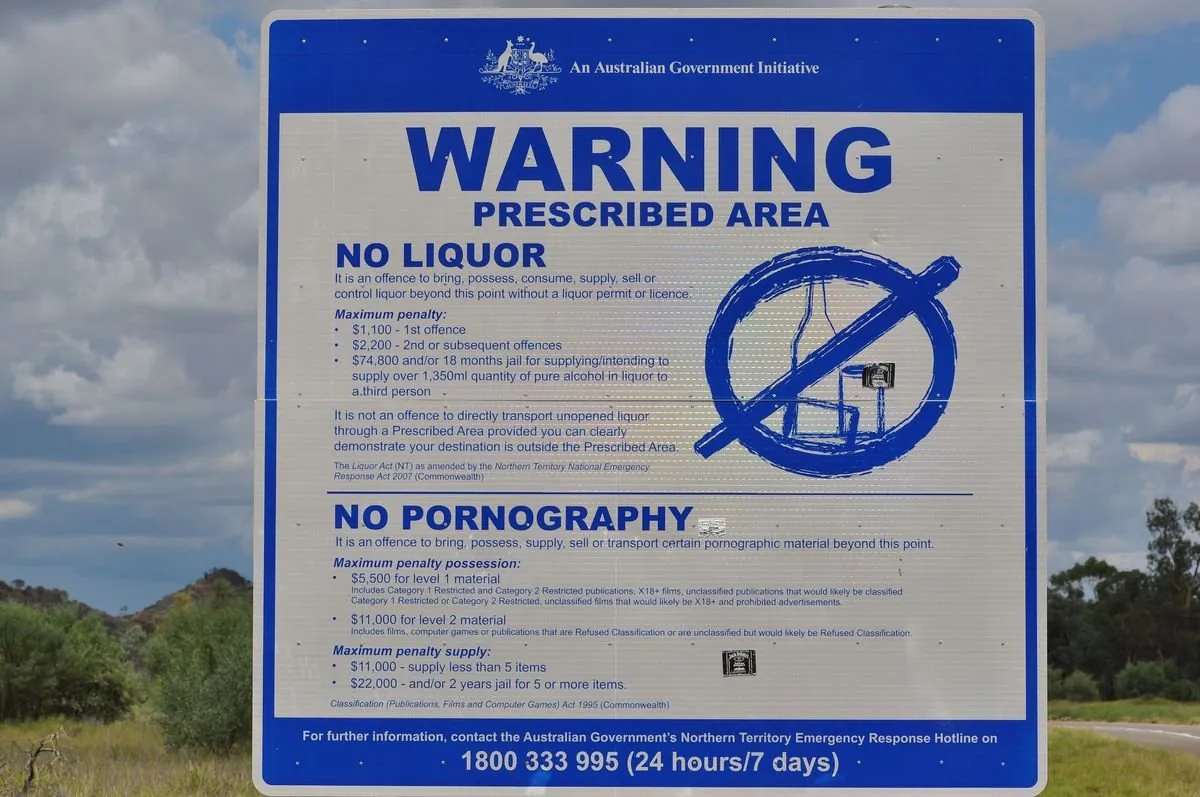
The community has a history of struggles with substance abuse, and the ban on alcohol was lifted last year as part of a new Community Safety Plan.
Analysis: What This Means for Australia
The closure of the Mimosa Creek Healing Centre raises serious concerns about the state of Indigenous health and wellbeing in Australia.
The lack of culturally appropriate care and support services in remote communities is a major issue, and the closure of this centre only exacerbates the problem.
The Australian government must take immediate action to address the shortage of rehabilitation services in Indigenous communities and ensure that those struggling with addiction have access to the support they need.
Security analysts say that the closure of the centre will have significant implications for community safety, particularly in relation to alcohol-related violence and crime. “The loss of this centre will only add to the existing problems in the community,” said one analyst.
“It’s a perfect storm of substance abuse, lack of support services, and a history of trauma and disadvantage.”
Law enforcement insiders warn that the closure of the centre will put additional pressure on already-stretched police resources. “We’re already dealing with a high volume of calls related to substance abuse and domestic violence,” said one source.
“The loss of this centre will only make things worse.”