
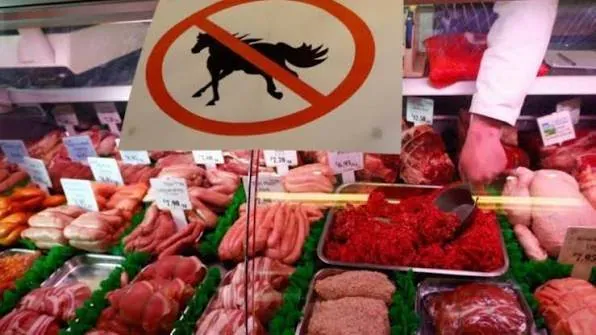
EXPOSED: The Shocking Truth About Australia’s Food Industry – Horse Meat in Your Mince, Metal Shavings in Your Bread and Mouse Fur in Your Food
- Australians may have unknowingly consumed horse meat in products sold as beef or lamb, or eaten food containing mouse fur or metal shavings, secret government files reveal.
- Documents obtained by NSW Greens politician Abigail Boyd show serious food safety breaches, including metal shavings found in bread products and needles in food.
- The revelations form part of a major Four Corners investigation into Australia’s food industry, which has uncovered widespread failures in food safety and labelling.
- Experts are calling for the establishment of a food fraud unit in Australia to test food products, after similar units in Europe, Canada and America have successfully identified food contamination.
The thought of biting into a juicy burger or enjoying a warm slice of bread is a comforting one for many Australians.
But the harsh reality is that some of the food on our plates may be contaminated with foreign objects, mislabelled or even contain meat from animals we wouldn’t normally consider eating.
Secret government files obtained by NSW Greens politician Abigail Boyd have revealed a shocking truth about Australia’s food industry – one that threatens to shake public trust in the food we eat.
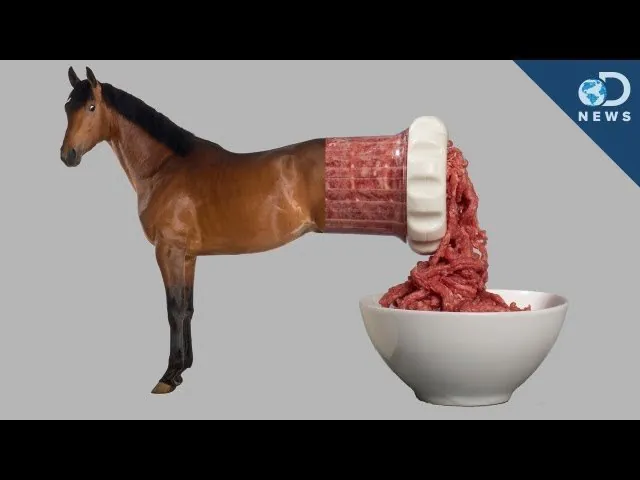
According to the documents, horse meat has been sold as beef and lamb mince, and metal shavings have been found inside bread products. Needles have even been discovered in food, highlighting a disturbing lack of oversight in the industry.
The revelations are part of a major Four Corners investigation, which has uncovered widespread failures in food safety and labelling. The documents were obtained using parliamentary powers, and while some have been made public, the government has claimed privilege over others, preventing their release.
However, Boyd has challenged this decision, triggering an independent legal review of whether the documents should remain secret. While she is allowed to inspect the restricted files, she cannot publicly release them or identify individual businesses.
Boyd has spoken out about the shocking breaches she has found, including metal shavings in bread products and products that were supposed to be dairy-free but were not.
“There were metal shavings found in bread products…
products that were supposed to be dairy-free, that were not dairy-free, [which] were only caught by accident because somebody happened to put it together after their child or they themselves got sick, not because the company had worked it out,” she said.
The documents also reveal that hundreds of businesses, including aged care homes, hospitals and catering companies, were issued notices for food safety breaches between 2022 and 2026.
Failures included poor hygiene, expired food, failures to report dangerous bacteria and other breaches that put vulnerable groups, including the elderly and children, at risk. One of Australia’s biggest tomato brands and two major supermarkets are selling products that exclusive forensic testing shows have misleading labelling.
The most common enforcement action was an improvement notice requiring businesses to fix identified food safety breaches by a specified deadline.
The NSW Food Authority directly regulates 14,500 licensed food businesses and facilities, including meat and dairy processors, egg and seafood businesses, and food services in hospitals and aged care homes.
However, despite overseeing some of the state’s higher risk food operations, the authority has not cancelled one business’s licence over seven years.
Analysis: What This Means for AustraliaThe revelations about Australia’s food industry are alarming, and raise serious questions about the integrity of our food supply.
The fact that horse meat has been found in beef products, and metal shavings have been discovered in bread, is a wake-up call for consumers.
It highlights a lack of oversight and regulation in the industry, and the need for more stringent testing and enforcement. Security analysts say that the breaches identified in the documents are a major concern for public health and safety.
“The fact that needles have been found in food and metal shavings have been discovered in bread products is a serious breach of food safety protocols,” said one analyst.
“It’s a wake-up call for the industry and for consumers, and highlights the need for more robust testing and enforcement.”
Law enforcement insiders warn that the lack of oversight in the industry is a recipe for disaster.
“The fact that hundreds of businesses have been issued notices for food safety breaches, and yet no licences have been cancelled, is a major concern,” said one insider.
“It suggests that the regulator is not taking the necessary action to protect public health and safety.”
The economic and social consequences of these breaches cannot be overstated.
The loss of public trust in the food industry could have serious implications for businesses and the economy as a whole. Consumers may become more cautious about the food they eat, and businesses may suffer as a result.
The need for a food fraud unit in Australia is clear. Experts say that similar units in Europe, Canada and America have been successful in identifying food contamination and ensuring public safety.
It’s time for Australia to follow suit and take action to protect its citizens. In conclusion, the revelations about Australia’s food industry are shocking and disturbing.
The fact that horse meat has been found in beef products, and metal shavings have been discovered in bread, is a wake-up call for consumers and the industry.
It’s time for more stringent testing and enforcement, and for the establishment of a food fraud unit to protect public health and safety.
The thought of biting into a juicy burger or enjoying a warm slice of bread is a comforting one for many Australians. But the harsh reality is that some of the food on our plates may be contaminated with foreign objects, mislabelled or even contain meat from animals we wouldn’t normally consider eating. Secret government files obtained by NSW Greens politician Abigail Boyd have revealed a shocking truth about Australia’s food industry – one that threatens to shake public trust in the food we eat.
According to the documents, horse meat has been sold as beef and lamb mince, and metal shavings have been found inside bread products. Needles have even been discovered in food, highlighting a disturbing lack of oversight in the industry. The revelations are part of a major Four Corners investigation, which has uncovered widespread failures in food safety and labelling.
The documents were obtained using parliamentary powers, and while some have been made public, the government has claimed privilege over others, preventing their release. However, Boyd has challenged this decision, triggering an independent legal review of whether the documents should remain secret. While she is allowed to inspect the restricted files, she cannot publicly release them or identify individual businesses.
Boyd has spoken out about the shocking breaches she has found, including metal shavings in bread products and products that were supposed to be dairy-free but were not. “There were metal shavings found in bread products… products that were supposed to be dairy-free, that were not dairy-free, [which] were only caught by accident because somebody happened to put it together after their child or they themselves got sick, not because the company had worked it out,” she said.
The documents also reveal that hundreds of businesses, including aged care homes, hospitals and catering companies, were issued notices for food safety breaches between 2022 and 2026. Failures included poor hygiene, expired food, failures to report dangerous bacteria and other breaches that put vulnerable groups, including the elderly and children, at risk.
One of Australia’s biggest tomato brands and two major supermarkets are selling products that exclusive forensic testing shows have misleading labelling. The most common enforcement action was an improvement notice requiring businesses to fix identified food safety breaches by a specified deadline.
The NSW Food Authority directly regulates 14,500 licensed food businesses and facilities, including meat and dairy processors, egg and seafood businesses, and food services in hospitals and aged care homes. However, despite overseeing some of the state’s higher risk food operations, the authority has not cancelled one business’s licence over seven years.
The revelations about Australia’s food industry are alarming, and raise serious questions about the integrity of our food supply. The fact that horse meat has been found in beef products, and metal shavings have been discovered in bread, is a wake-up call for consumers. It highlights a lack of oversight and regulation in the industry, and the need for more stringent testing and enforcement.
Security analysts say that the breaches identified in the documents are a major concern for public health and safety. “The fact that needles have been found in food and metal shavings have been discovered in bread products is a serious breach of food safety protocols,” said one analyst. “It’s a wake-up call for the industry and for consumers, and highlights the need for more robust testing and enforcement.”
Law enforcement insiders warn that the lack of oversight in the industry is a recipe for disaster. “The fact that hundreds of businesses have been issued notices for food safety breaches, and yet no licences have been cancelled, is a major concern,” said one insider. “It suggests that the regulator is not taking the necessary action to protect public health and safety.”
The economic and social consequences of these breaches cannot be overstated. The loss of public trust in the food industry could have serious implications for businesses and the economy as a whole. Consumers may become more cautious about the food they eat, and businesses may suffer as a result.
The need for a food fraud unit in Australia is clear. Experts say that similar units in Europe, Canada and America have been successful in identifying food contamination and ensuring public safety. It’s time for Australia to follow suit and take action to protect its citizens.
In conclusion, the revelations about Australia’s food industry are shocking and disturbing. The fact that horse meat has been found in beef products, and metal shavings have been discovered in bread, is a wake-up call for consumers and the industry. It’s time for more stringent testing and enforcement, and for the establishment of a food fraud unit to protect public health and safety.