
Fuel Crisis Looms as War in Middle East Pushes Oil Prices to Breaking Point: Will Australia’s Petrol Subsidies Be Extended?
- Treasury warns of growing economic risks from Middle East conflict, with oil prices set to remain elevated in the near-term.
- Government faces decision on whether to extend fuel excise discount into August, with latest inflation figures due on Wednesday.
- Experts warn of potential interest rate hike as Reserve Bank board meets in August, with economists predicting a peak headline inflation of 7.25 per cent.
- Australians face increasing petrol prices, with diesel remaining markedly above pre-war levels and petrol prices rising in some cities.
The war in the Middle East is having a devastating impact on Australia’s economy, with oil prices skyrocketing and petrol prices rising across the country.
The federal government is under pressure to extend the fuel excise discount, which is set to expire on August 2, but Treasurer Jim Chalmers has indicated that no decision has been made yet.
As the conflict drags on, the economic risks for Australia are increasing, with Treasury warning of “weaker buffers” to absorb disruptions to the oil supply.
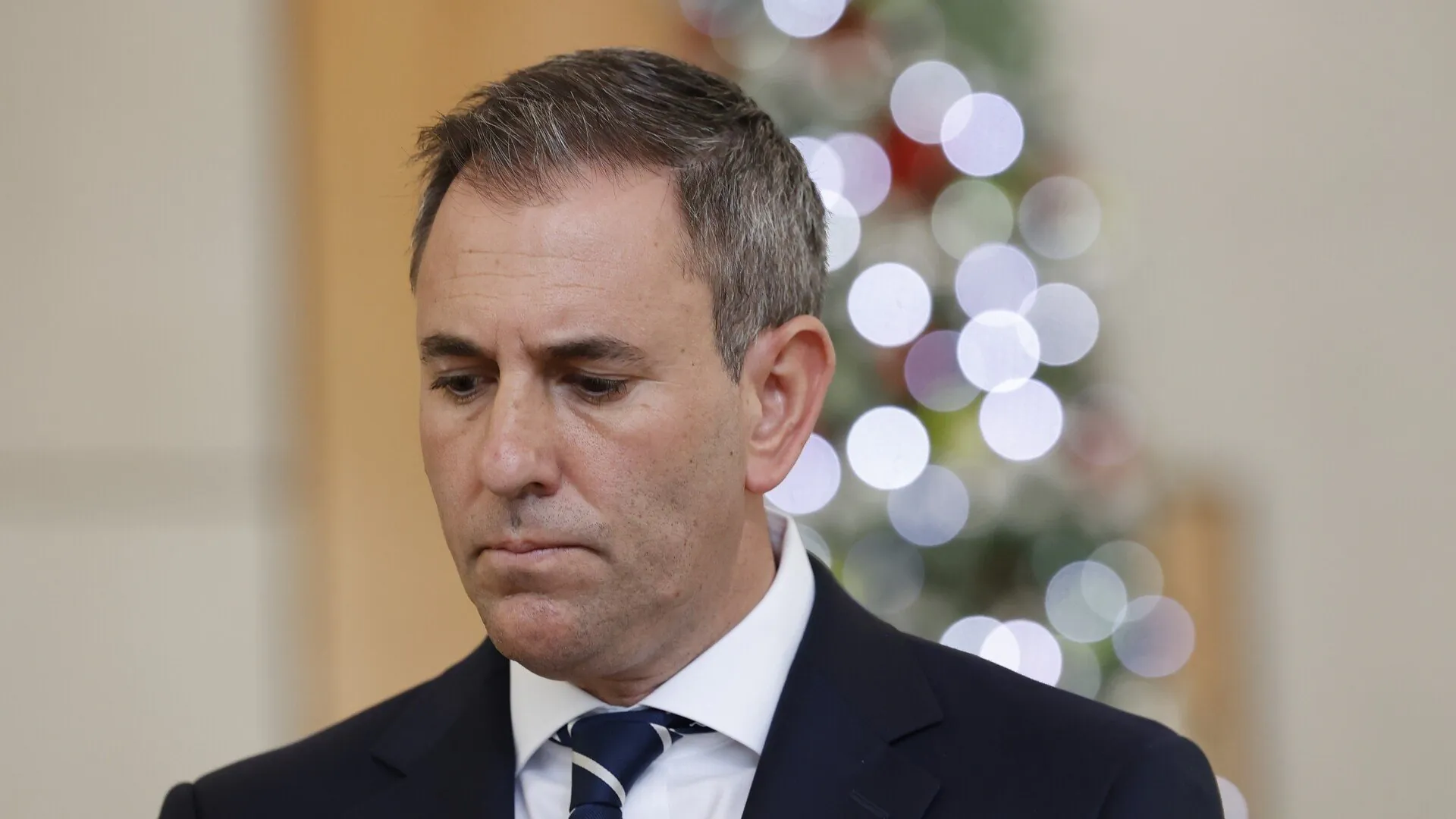
The government has been monitoring the situation closely, with Mr Chalmers saying that Australians have “already paid too hefty a price for this conflict on the other side of the world”.
The latest inflation figures, due on Wednesday, will be a crucial indicator of the impact of the war on Australia’s economy. The Reserve Bank board will meet in August to consider interest rates, and economists are predicting a hike.
The government has been reassuring motorists about Australia’s fuel supply, but petrol prices are set to remain high, with diesel prices remaining above pre-war levels.
The conflict in the Middle East has had a significant impact on global oil prices, with the unravelling of a memorandum of understanding between the United States and Iran leading to a spike in prices.
The entry of the Houthi rebels into the war has threatened another vital shipping route through the Middle East, while Ukrainian drone strikes on Russian oil refineries have led to a ban on Russian diesel exports.
The knock-on effect of these events has put further strain on global markets, with Treasury warning that crude oil prices are likely to remain elevated in the near-term.
Security analysts say that the war in the Middle East has created a perfect storm of economic risks for Australia. “The longer the conflict drags on, the more serious the consequences for inflation and growth will be,” said one analyst.
“The government needs to take decisive action to shield Australia from the worst effects of the war, including extending the fuel excise discount and investing in new oil refineries.” The government has announced plans to invest in a new oil refinery in Karratha, backed by a $4 million feasibility study.
Analysis: What This Means for Australia
The war in the Middle East has significant implications for Australia’s national security, economic stability, and community well-being.
The government’s decision on whether to extend the fuel excise discount will have a major impact on Australian motorists, who are already facing high petrol prices.
The conflict also has broader economic implications, with the potential for interest rate hikes and increased inflation.
The government needs to take a proactive approach to managing the economic risks associated with the war, including investing in new oil refineries and supporting Australian businesses.
Industry observers believe that the government’s decision on the fuel excise discount will be a key indicator of its commitment to supporting Australian motorists. “The government needs to put the interests of Australian motorists first and extend the fuel excise discount,” said one industry insider.
“The war in the Middle East is a global problem, but it requires a local solution. The government needs to take decisive action to shield Australia from the worst effects of the war.”
As the conflict in the Middle East continues to unfold, one thing is clear: Australia’s economy is under threat.
The government needs to take a proactive approach to managing the economic risks associated with the war, including extending the fuel excise discount and investing in new oil refineries.
The Australian people are counting on it.