
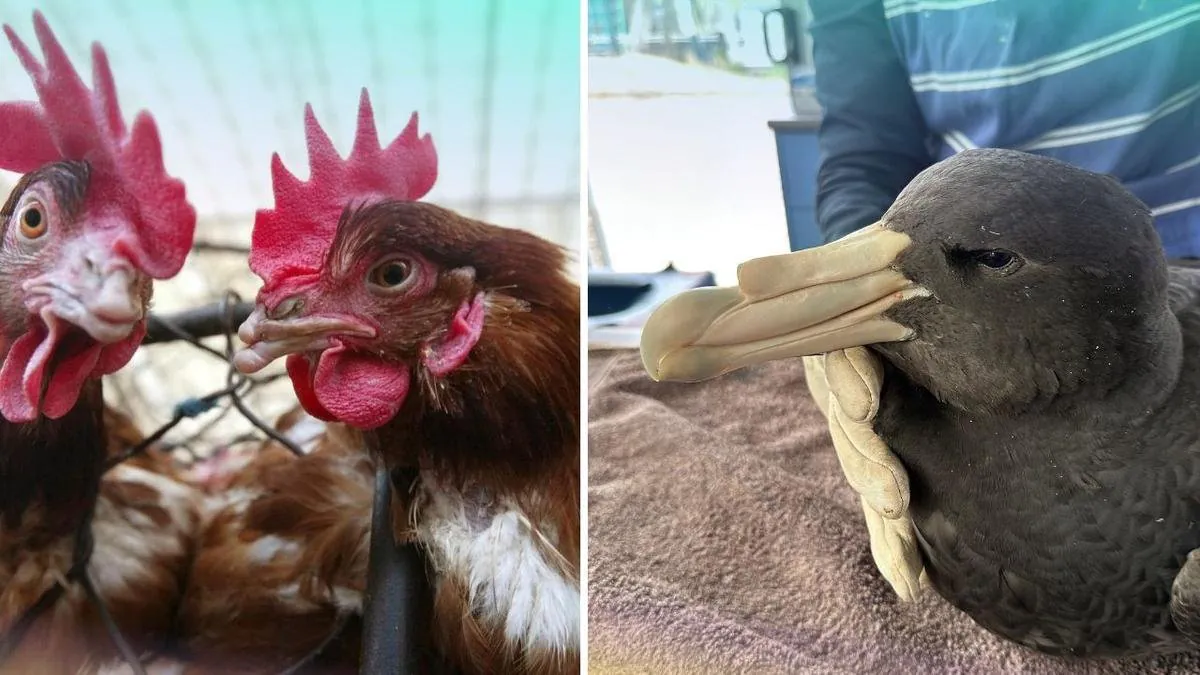
Bird Flu Outbreak: Australia on High Alert as Deadly H5 Strain Spreads to South Australia’s Iconic Seal Bay
- Eleven suspected cases of H5 bird flu detected in South Australia, including on Kangaroo Island’s Seal Bay, sparking fears of local transmission
- On-beach tours at Seal Bay temporarily paused to protect local sea lion population as authorities await confirmation of outbreak
- Expert warns of “worst-case scenario” as endangered Australian sea lions at risk of contracting deadly virus
- Fears of further spread as other birds and mammals, including threatened species, also susceptible to H5 strain
The discovery of suspected H5 bird flu cases on Kangaroo Island’s Seal Bay has sent shockwaves across South Australia, with authorities scrambling to contain the outbreak and protect the local sea lion population.
The state’s Primary Industries Minister, Clare Scriven, has confirmed that 11 suspected cases have been detected, with seven in the South East and four on Kangaroo Island.
While the results of final testing are still pending, Scriven says it is “extremely likely” that the virus is spreading locally, representing a major escalation of the outbreak.
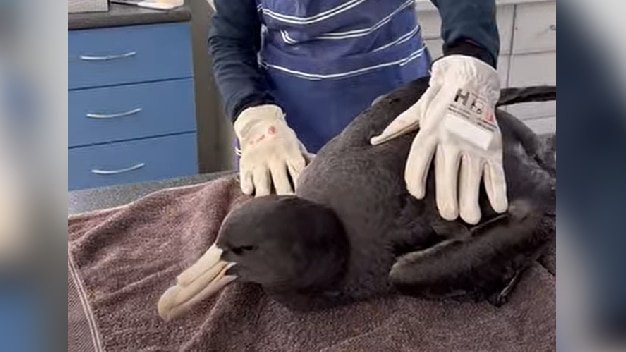
The suspected cases were found in various locations, including Southend, Cape Jaffa, Port MacDonnell, Beachport, Seal Bay, and D’Estrees Bay.
The SA government is taking a cautious approach, temporarily pausing on-beach tours at Seal Bay to minimize the risk of transmission to the sea lion population.
Guided tours along the Seal Bay Conservation Park’s boardwalk will continue, with additional rangers deployed to ensure the safe passage of visitors.
Wildlife veterinarian and Adelaide University associate professor in wildlife health, Wayne Boardman, has expressed grave concerns about the potential impact on the endangered Australian sea lions.
“Seal Bay is an iconic, fantastic place to see the Australian sea lions,” he said.
“My concern is that we will see it in the sea lions shortly, over the next week or so, as we see more birds affected and possibly going along Seal Bay and affecting our iconic sea lion.
It would be an absolute tragedy if that’s the case.”
Boardman believes that sea lions are uniquely susceptible to the virus due to their proximity to large groups of birds on the beach.
“We know what it was like with COVID — we had to quarantine ourselves, we had to keep away from other people, and that’s going to be impossible, of course, with these animals,” he said.
The SA government is working closely with experts to monitor the situation and prevent further spread.
Kangaroo Island Mayor Michael Pengilly has welcomed the decision to temporarily cancel beach tours, citing the need to reduce the risk of transmission and protect the visiting public.
Analysis: What This Means for Australia
The outbreak of H5 bird flu in South Australia has significant implications for the country’s biosecurity and wildlife conservation efforts.
The fact that the virus has spread to a major tourist destination like Seal Bay raises concerns about the potential for further transmission to other areas.
The temporary closure of on-beach tours is a necessary measure to prevent the spread of the disease, but it also highlights the need for more comprehensive measures to protect the country’s unique wildlife.
Security analysts say that the outbreak underscores the importance of a robust biosecurity framework to prevent the introduction and spread of exotic diseases. “The detection of H5 bird flu in South Australia is a wake-up call for the country’s biosecurity agencies,” said one expert.
“It highlights the need for increased vigilance and cooperation between state and federal authorities to prevent the spread of diseases that can have devastating consequences for our wildlife and agriculture industries.”
Law enforcement insiders warn that the outbreak may also have implications for the country’s poultry industry, with the potential for significant economic losses if the virus spreads to commercial farms.
“The detection of H5 bird flu in South Australia is a serious concern for the poultry industry,” said one insider. “We need to take immediate action to prevent the spread of the disease and protect the country’s poultry farmers.”
Industry observers believe that the outbreak may also have broader economic implications, with potential impacts on tourism and trade. “The temporary closure of on-beach tours at Seal Bay is just the beginning,” said one observer.
“If the outbreak spreads, it could have significant economic implications for the state and the country as a whole.”
As the situation continues to unfold, one thing is clear: the outbreak of H5 bird flu in South Australia is a critical moment for the country’s biosecurity and wildlife conservation efforts.
The government, experts, and industry leaders must work together to prevent further spread and protect the country’s unique wildlife.
Australian Institute of Marine Science