
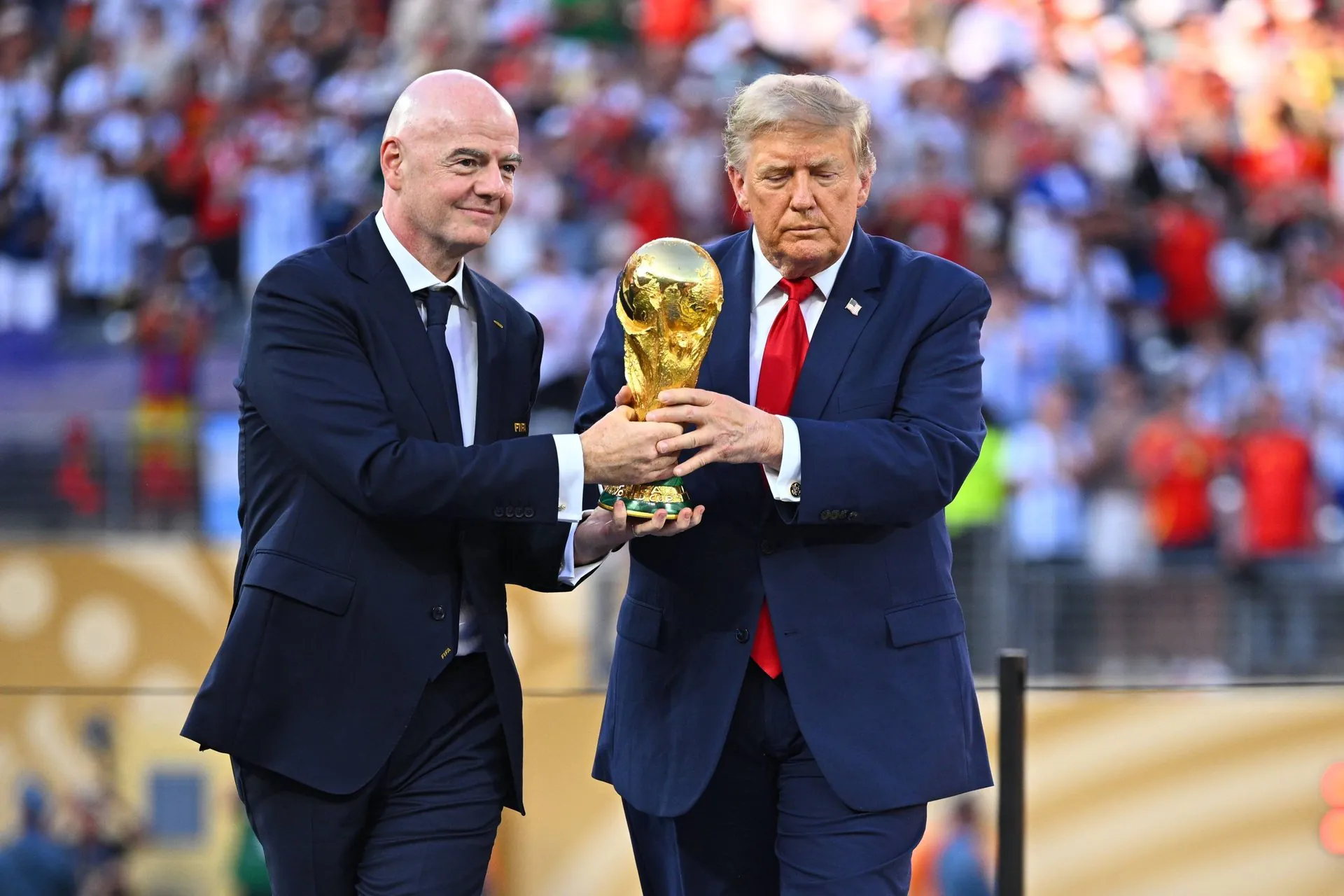
World Cup for Sale: FIFA’s $US20 Billion Deal with Kushner Consortium Sparks Global Outrage
- FIFA President Gianni Infantino’s plan to create a $US20 billion company to run the World Cup with private investors, including the Kushner family, has been met with fierce resistance from UEFA.
- The deal, which could see the World Cup sold to a consortium including Joshua Kushner, brother of Jared Kushner, has been labelled a “soulless” and “transparent” attempt to cash in on the sport.
- UEFA has slammed the plan, saying “none of us are the owners of football” and warning that it crosses a line that governing institutions should never cross.
- The move has sparked concerns about the ties between Infantino and the Trump family, as well as the potential for corruption and the exploitation of football for financial gain.
The news that FIFA is planning to sell the World Cup to a private consortium, including the Kushner family, has sent shockwaves around the football world.
The deal, which could see the creation of a $US20 billion company to run the tournament, has been met with fierce resistance from UEFA, who have labelled it a “soulless” and “transparent” attempt to cash in on the sport.
At the heart of the controversy is FIFA President Gianni Infantino, who has been accused of trying to push through the deal without proper consultation or transparency.
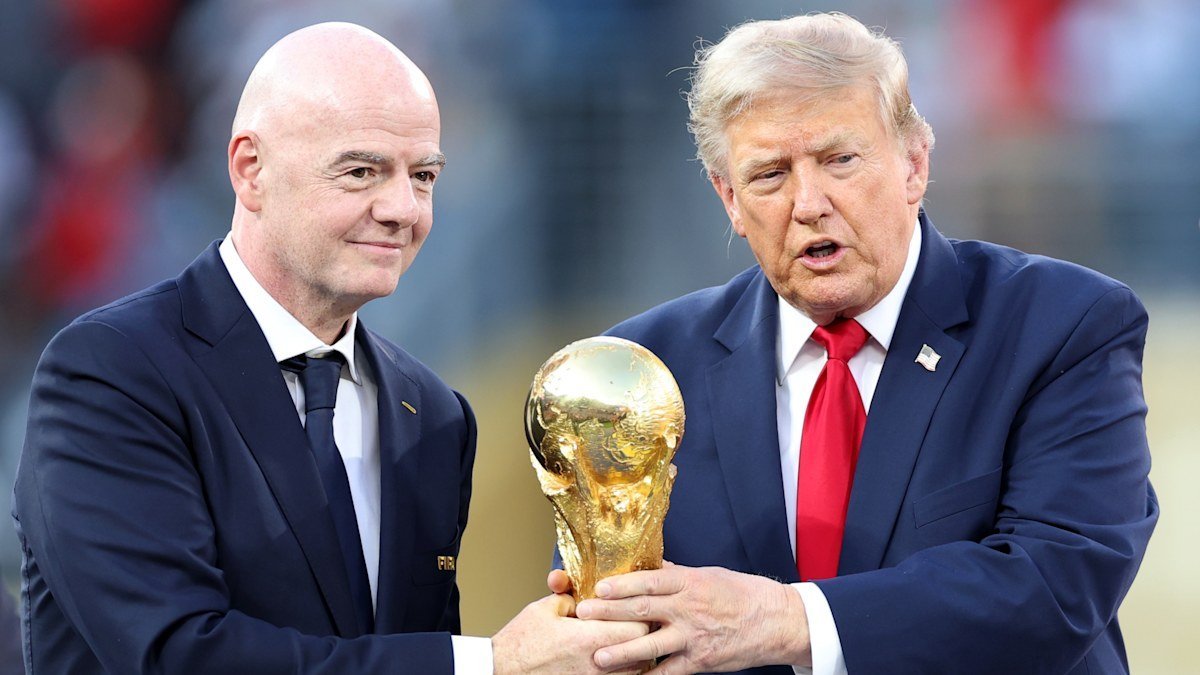
The plan, which was first reported by The Times of London, would see FIFA create a commercial subsidiary, called FIFA Forward Enterprise (FFE), to run competitions like the World Cup and Club World Cup.
The company would be valued at $US20 billion and would raise up to $US4.2 billion in funding from private investors, including Thrive Eternal, a company launched by Joshua Kushner.
The involvement of the Kushner family has raised eyebrows, given their close ties to the Trump family.
Jared Kushner, Joshua’s brother, is a son-in-law of US President Donald Trump, and the family has been accused of using their influence to further their business interests.
The deal has sparked concerns about the potential for corruption and the exploitation of football for financial gain.
UEFA has been quick to condemn the plan, saying that “none of us are the owners of football” and warning that it crosses a line that governing institutions should never cross.
The organization, which comprises 55 of FIFA’s 211 member federations, has called on FIFA to abandon the plan and instead focus on developing the sport for the benefit of all stakeholders.
The controversy has also raised questions about Infantino’s future as FIFA President. The Swiss-Italian has been accused of trying to push through the deal in order to secure his own legacy and financial future.
The Times has reported that a CEO-like commissioner role of the new FFE operation could be created for him, although FIFA has denied this.
So what does this mean for Australia? The deal has significant implications for the country’s football community, who could see the sport become even more commercialized and exploited for financial gain.
It also raises concerns about the potential for corruption and the influence of external interests on the sport.
Analysis: What This Means for Australia
The deal has significant implications for Australia’s football community, who could see the sport become even more commercialized and exploited for financial gain. It also raises concerns about the potential for corruption and the influence of external interests on the sport.
As one of the biggest and most successful football nations in the Asia-Pacific region, Australia has a significant stake in the future of the sport.
Security analysts say that the deal has the potential to undermine the integrity of the sport, and could lead to a decline in public trust and confidence.
“This deal has the potential to be a disaster for football,” said one expert. “It’s a clear example of the sport being exploited for financial gain, and it’s not in the best interests of the game or its fans.”
Law enforcement insiders warn that the deal could also have significant implications for the fight against corruption in sport. “This deal has all the hallmarks of a classic case of corruption,” said one source.
“It’s a clear example of the influence of external interests on the sport, and it’s not something that should be taken lightly.”
Industry observers believe that the deal could have significant implications for the future of football in Australia. “This deal has the potential to change the face of football in this country,” said one expert.
“It’s a clear example of the sport becoming more commercialized and exploited for financial gain, and it’s not something that’s in the best interests of the game or its fans.”
As the controversy surrounding the deal continues to grow, one thing is clear: the future of football is at a crossroads. Will the sport continue to be exploited for financial gain, or will it be developed for the benefit of all stakeholders?
Only time will tell.