
Deadly H5 Bird Flu Hits Victoria: Experts Warn of ‘Large Numbers of Deaths’ in Wild Birds and Mammals as Virus Spreads Across Australia
- Agriculture Victoria confirms detection of H5 bird flu in a greater crested tern near Portland, sparking fears of a widespread outbreak
- Experts warn of ‘large numbers of deaths’ in wild birds and mammals, with the virus already spreading across the southern coast through migratory birds
- Victorian farmers on high alert, with memories of the devastating 2024 H7N8 outbreak still fresh, which saw almost 2 million birds culled and egg supplies disrupted
- Authorities urge poultry owners to review biosecurity practices, warning of the risk of local transmission and the need for vigilance in preventing the spread of the virus
The detection of the deadly H5 bird flu strain in Victoria has sent shockwaves throughout the state’s agricultural industry, with experts warning of the potential for ‘large numbers of deaths’ in wild birds and mammals.
The virus, which has already spread across the southern coast through migratory birds, has been confirmed in a greater crested tern found near Portland.
According to Victoria’s Chief Veterinary Officer, Dr Graeme Cooke, further genetic testing is being conducted to formally confirm the result, but the initial findings have sparked a state of high alert among farmers and authorities.
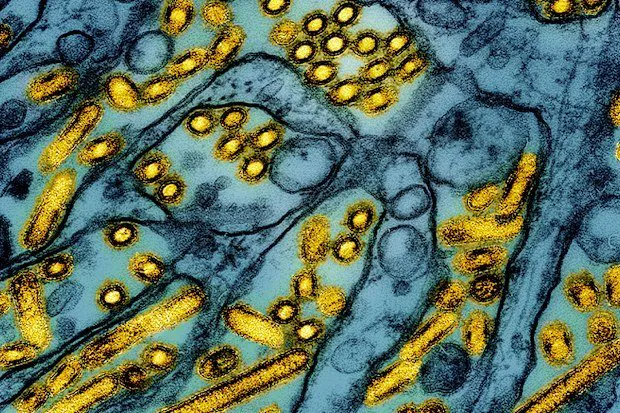
“Following weeks of enhanced readiness, we have now enacted Victoria’s State Emergency Animal Disease Response Plan,” Dr Cooke said. The H5 bird flu strain has been making its way across Australia, with detections in Western Australia, South Australia, New South Wales, and Queensland.
The virus was first detected in a brown skua in Western Australia in June and has since spread rapidly, with a second case confirmed in a giant petrel.
The strain has also been detected in South Australia, with 15 confirmed cases, including the latest detection in a giant petrel at Port Lincoln on the Eyre Peninsula.
Testing is underway on an additional 13 suspected cases in South Australia, bringing the total suspected cases to 24. The risk to human health of H5 bird flu is considered low, but the impact on the agricultural industry could be significant.
In 2024, an outbreak of the H7N8 strain saw almost 2 million birds culled in Victoria, with egg supplies disrupted and farmers facing significant losses. Victorian Farmers Federation President Ryan Milgate said farmers had been preparing for a possible outbreak, but the detection was still concerning.
“While this detection is concerning, it’s not unexpected, and the wider agriculture industry has been undertaking an enormous amount of preparation over the past few months for this very moment,” he said.
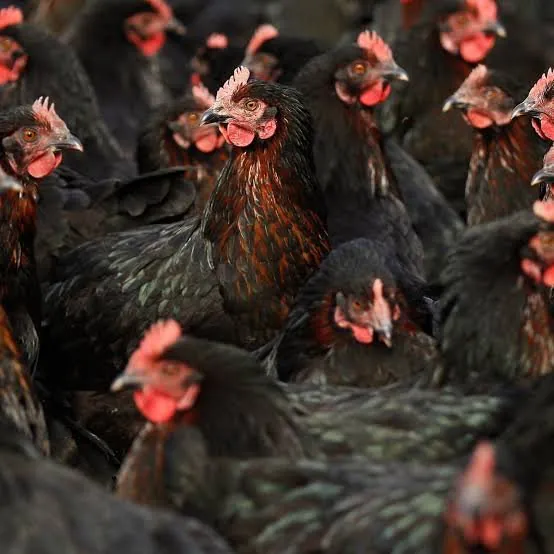
Agriculture Victoria is warning people to be careful around sick or dead birds and to report suspected cases.
Poultry owners are also being urged to review their biosecurity practices, including keeping sheds, yards, and equipment clean, quarantining new birds, and limiting contact between poultry and wild birds.
The detection of the H5 bird flu strain in Victoria has also raised concerns about the impact on the state’s biodiversity. Friends of Griffiths Island, a volunteer group that helps protect natural ecosystems and runs community education, said the detection was a disappointment but not unexpected.
“We’re prepared for this, but it’s just that disappointment, that this is another episode or event that’s really going to impact our birds and of course the biodiversity,” President Tracey Gray said.
Analysis: What This Means for AustraliaThe detection of the H5 bird flu strain in Victoria has significant implications for Australia’s agricultural industry and biodiversity.
The virus has the potential to cause widespread deaths in wild birds and mammals, with the risk of local transmission and the need for vigilance in preventing the spread of the virus.
Security analysts say the detection highlights the need for increased biosecurity measures, particularly in the poultry industry. “The H5 bird flu strain is a highly contagious and deadly virus that can have significant economic and environmental impacts,” said one analyst.
“It’s essential that farmers and authorities take all necessary precautions to prevent the spread of the virus and protect the agricultural industry.”
Law enforcement insiders warn that the detection also raises concerns about the potential for the virus to be transmitted to other animals, including livestock.
“The H5 bird flu strain has already been detected in several states, and it’s essential that we take all necessary measures to prevent the spread of the virus to other animals,” said one insider.
Industry observers believe the detection will have significant economic implications for the agricultural industry, particularly if the virus spreads to other states. “The H5 bird flu strain has the potential to cause significant losses for farmers and the agricultural industry as a whole,” said one observer.
“It’s essential that we take all necessary measures to prevent the spread of the virus and protect the industry.”
The detection of the deadly H5 bird flu strain in Victoria has sent shockwaves throughout the state’s agricultural industry, with experts warning of the potential for ‘large numbers of deaths’ in wild birds and mammals. The virus, which has already spread across the southern coast through migratory birds, has been confirmed in a greater crested tern found near Portland.
According to Victoria’s Chief Veterinary Officer, Dr Graeme Cooke, further genetic testing is being conducted to formally confirm the result, but the initial findings have sparked a state of high alert among farmers and authorities. “Following weeks of enhanced readiness, we have now enacted Victoria’s State Emergency Animal Disease Response Plan,” Dr Cooke said.
The H5 bird flu strain has been making its way across Australia, with detections in Western Australia, South Australia, New South Wales, and Queensland. The virus was first detected in a brown skua in Western Australia in June and has since spread rapidly, with a second case confirmed in a giant petrel.
The strain has also been detected in South Australia, with 15 confirmed cases, including the latest detection in a giant petrel at Port Lincoln on the Eyre Peninsula. Testing is underway on an additional 13 suspected cases in South Australia, bringing the total suspected cases to 24.
The risk to human health of H5 bird flu is considered low, but the impact on the agricultural industry could be significant. In 2024, an outbreak of the H7N8 strain saw almost 2 million birds culled in Victoria, with egg supplies disrupted and farmers facing significant losses.
Victorian Farmers Federation President Ryan Milgate said farmers had been preparing for a possible outbreak, but the detection was still concerning. “While this detection is concerning, it’s not unexpected, and the wider agriculture industry has been undertaking an enormous amount of preparation over the past few months for this very moment,” he said.
Agriculture Victoria is warning people to be careful around sick or dead birds and to report suspected cases. Poultry owners are also being urged to review their biosecurity practices, including keeping sheds, yards, and equipment clean, quarantining new birds, and limiting contact between poultry and wild birds.
The detection of the H5 bird flu strain in Victoria has also raised concerns about the impact on the state’s biodiversity. Friends of Griffiths Island, a volunteer group that helps protect natural ecosystems and runs community education, said the detection was a disappointment but not unexpected. “We’re prepared for this, but it’s just that disappointment, that this is another episode or event that’s really going to impact our birds and of course the biodiversity,” President Tracey Gray said.
The detection of the H5 bird flu strain in Victoria has significant implications for Australia’s agricultural industry and biodiversity. The virus has the potential to cause widespread deaths in wild birds and mammals, with the risk of local transmission and the need for vigilance in preventing the spread of the virus.
Security analysts say the detection highlights the need for increased biosecurity measures, particularly in the poultry industry. “The H5 bird flu strain is a highly contagious and deadly virus that can have significant economic and environmental impacts,” said one analyst. “It’s essential that farmers and authorities take all necessary precautions to prevent the spread of the virus and protect the agricultural industry.”
Law enforcement insiders warn that the detection also raises concerns about the potential for the virus to be transmitted to other animals, including livestock. “The H5 bird flu strain has already been detected in several states, and it’s essential that we take all necessary measures to prevent the spread of the virus to other animals,” said one insider.
Industry observers believe the detection will have significant economic implications for the agricultural industry, particularly if the virus spreads to other states. “The H5 bird flu strain has the potential to cause significant losses for farmers and the agricultural industry as a whole,” said one observer. “It’s essential that we take all necessary measures to prevent the spread of the virus and protect the industry.”