
‘Heart-Wrenching’ $200,000 Cattle Heist Rocks Central Queensland as 142 Wagyu Cross Cattle Vanish from Greenlake Station
- Pregnant cows and calves among 142 wagyu cross cattle stolen from a central Queensland station, valued at over $200,000
- Station manager Madeline Price says the theft has left her feeling ‘sick’ and has impacted her family’s livelihood
- Police are investigating and urging anyone with information to come forward, as the theft highlights the growing problem of stock theft in rural Australia
- The incident has raised concerns about rural crime and the emotional toll it takes on farmers and producers
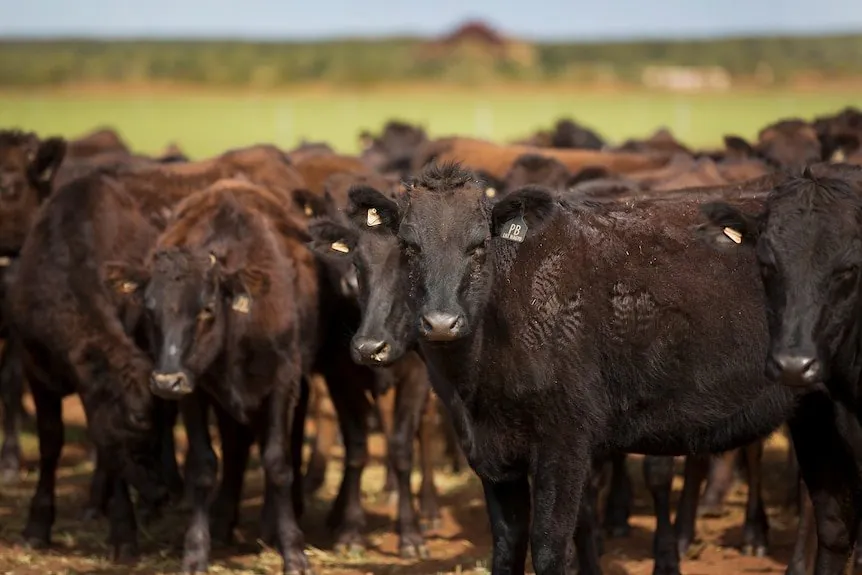
The discovery of a massive cattle theft at a central Queensland station has left a family-run business reeling, with 142 wagyu cross cattle valued at over $200,000 stolen from the property.
The heist, which is believed to have occurred between April and May, has been described as ‘heart-wrenching’ by station manager Madeline Price, who says it has taken a significant emotional toll on her and her family.
The stolen cattle, which included 97 cows and 45 weaner heifers, were part of the Price Cattle Company’s main breeding stock, with some of the pregnant cows close to giving birth.
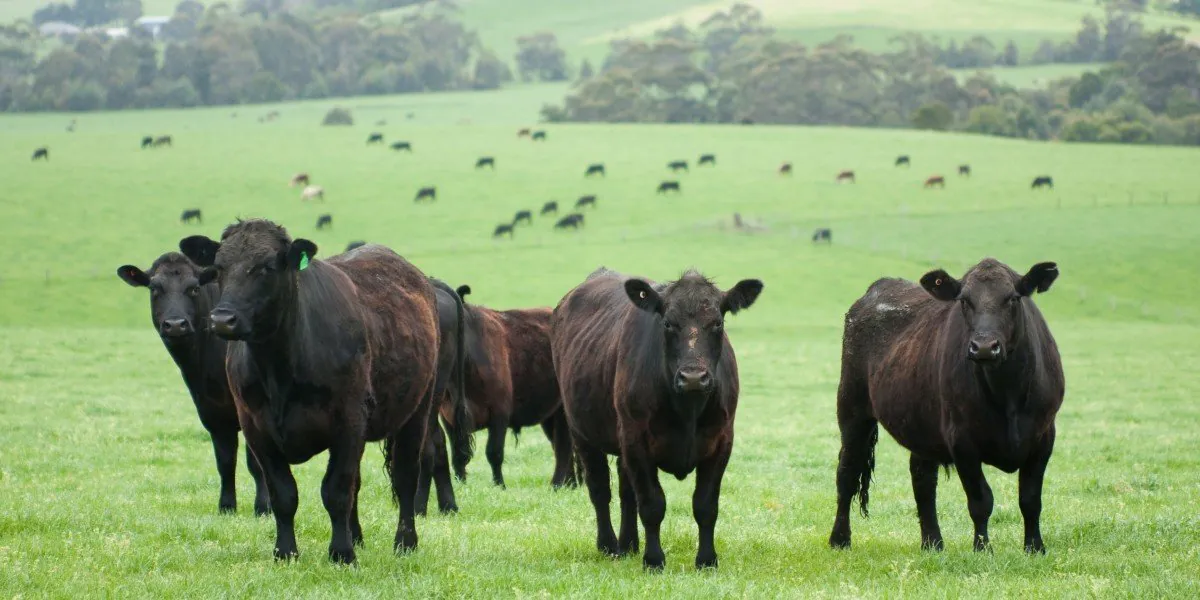
The theft was only discovered during the second round of weaning, when young cattle are separated from their mothers, due to the size of the herd and property.
Madeline Price said it was like ‘throwing 1000 grains of rice on your kitchen floor and saying which [group] has 900, which one has 1000?’.
The incident has sparked concerns about rural crime and the impact it has on farmers and producers.
Stock squad detectives are investigating and urging anyone who saw unusual stock movements in the Todds Road and Rossmoya Road areas of Greenlake during April or May to contact them.
The cattle were branded with a GL under half-circle symbol, a yellow management tag ‘Greenlake’ and NLIS devices, making it easier for police to identify any potential leads.
AgForce Queensland, the state’s peak producer body, has also urged anyone with information on the matter to contact police, highlighting the difficulties of detecting and prosecuting stock theft.
‘Stock theft can be difficult to detect and prosecute, and producers tell us it is more widespread than reported figures suggest,’ they said in a statement.
‘Beyond the financial loss, stock affects producers’ wellbeing and their sense of security on their own properties.’
Madeline Price says her focus is now on getting the remainder of the herd through winter, but the incident has left her feeling ‘sick’ and has impacted her family’s livelihood.
‘It does make you feel pretty sick to ring your dad who’s given you this amazing opportunity and tell him you’re down 142 head of cattle,’ she said.
The theft comes during a strong cattle market, where cows and weaner heifers have sold for as much as $2,000 a head, depending on weight and quality.
Security analysts say the incident highlights the need for increased security measures on rural properties, particularly in areas with high-value livestock. ‘Farmers and producers need to be vigilant and take steps to protect their assets, including installing CCTV cameras and increasing fencing,’ said one expert.
Law enforcement insiders warn that rural crime is a growing problem, with many incidents going unreported. ‘Rural crime can have a devastating impact on farmers and producers, both financially and emotionally,’ said a spokesperson.
‘We urge anyone with information on this incident to come forward and help us bring those responsible to justice.’
Analysis: What This Means for Australia
The theft of 142 wagyu cross cattle from a central Queensland station is a stark reminder of the growing problem of rural crime in Australia. The incident highlights the need for increased security measures on rural properties, particularly in areas with high-value livestock.
It also raises concerns about the emotional toll that rural crime can take on farmers and producers, who often rely on their livestock for their livelihood.
The incident has significant implications for national security, as it highlights the vulnerability of rural communities to crime. It also raises questions about the effectiveness of current laws and regulations in preventing and prosecuting rural crime.
Law enforcement agencies and rural communities must work together to address this growing problem and prevent similar incidents from occurring in the future.
The economic consequences of the theft are also significant, with the stolen cattle valued at over $200,000. The incident highlights the need for farmers and producers to take steps to protect their assets and prevent similar losses in the future.
It also raises concerns about the impact of rural crime on the agricultural industry as a whole, which is a significant contributor to Australia’s economy.