

Families of Taipan Helicopter Crash Victims Launch Devastating Class Action Against Commonwealth and Airbus
- The families of four Australian Defence Force personnel killed in the fatal Taipan helicopter crash have launched a class action against the Commonwealth and aircraft manufacturer Airbus.
- The legal action centres on the July 2023 crash off the Whitsunday Islands, Queensland, which claimed the lives of four servicemen.
- About 10 family members are involved in the class action, alleging failings led to the deaths of the four men.
- The Taipan fleet was grounded immediately after the crash and has since been retired, replaced by UH-60M Black Hawk helicopters.
The families of four Australian Defence Force personnel who tragically lost their lives in the fatal Taipan helicopter crash have launched a class action against the Commonwealth and aircraft manufacturer Airbus, seeking justice and answers for the devastating loss of their loved ones.
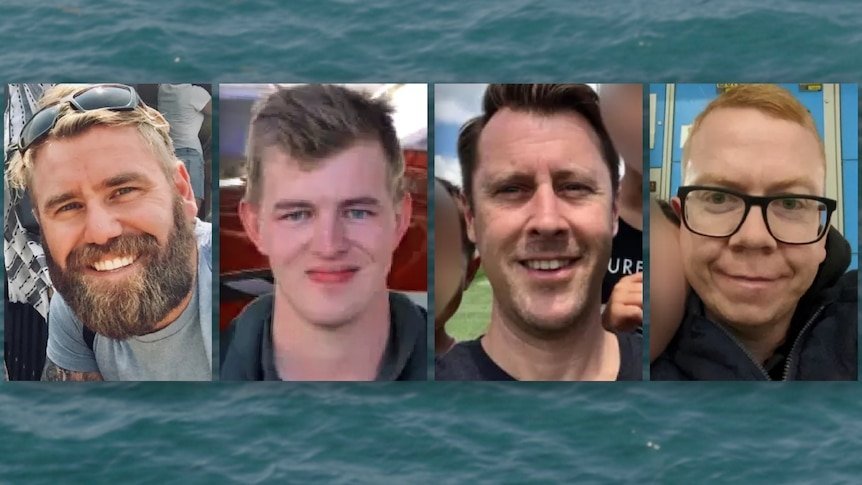
The lawsuit centres on the July 2023 crash off the Whitsunday Islands, Queensland, which claimed the lives of Captain Daniel Lyon, Lieutenant Max Nugent, Warrant Officer Joseph Laycock, and Corporal Alexander Naggs.
The crash occurred during the multinational military exercise Talisman Sabre, and the Taipan fleet was immediately grounded. An investigation into the fatal crash has been ongoing, with the circumstances surrounding the disaster still being examined.
The federal government has since announced the early retirement of the Taipan fleet, replacing it with UH-60M Black Hawk helicopters.
The class action, involving about 10 family members, alleges that failings led to the deaths of the four servicemen. While no further details about the allegations have been released, the lawsuit is a significant development in the aftermath of the tragedy.
The families of the victims have been seeking answers and accountability for the loss of their loved ones, and the class action is a crucial step in their pursuit of justice.
The Taipan helicopter crash was a devastating blow to the Australian Defence Force and the nation as a whole. The incident raised serious questions about the safety and reliability of the Taipan fleet, which had been plagued by issues in the past.
The early retirement of the fleet and the introduction of new aircraft are significant steps towards addressing these concerns, but the class action highlights the need for further accountability and transparency.
Analysis: What This Means for Australia
The class action launched by the families of the Taipan helicopter crash victims has significant implications for Australia’s national security and defence capabilities. The lawsuit highlights the need for greater accountability and transparency in the procurement and maintenance of military equipment.
The incident also raises questions about the safety and reliability of Australia’s military aircraft and the need for robust safety protocols to prevent such tragedies in the future.
Security analysts say that the class action is a wake-up call for the Australian government to re-examine its defence procurement processes and ensure that the safety of military personnel is paramount.
The incident also underscores the need for greater investment in military safety and training to prevent such tragedies from occurring in the future.
Law enforcement insiders warn that the class action may have far-reaching consequences for the Australian Defence Force and the government, highlighting the need for greater accountability and transparency in the defence sector.
The lawsuit is a significant development in the pursuit of justice for the families of the victims and serves as a reminder of the sacrifices made by Australian servicemen and women.
Industry observers believe that the class action may lead to changes in the way military equipment is procured and maintained in Australia, with a greater emphasis on safety and reliability.
The incident highlights the need for a thorough examination of Australia’s defence capabilities and the need for robust safety protocols to prevent such tragedies from occurring in the future.