
Sydney Motorists Score Big Win as Government Unveils Toll Road Price Cuts – But There’s a Catch
- Toll prices to be slashed on multiple Sydney motorways, including Lane Cove Tunnel, M2, and Cross City Tunnel
- Motorcyclists to get 50% reduction on all motorways from July 1, 2027
- But WestConnex and NorthConnex left out of the reductions, sparking criticism from opposition
- Government’s long-awaited toll road pricing shake-up comes after years of negotiations with private operators
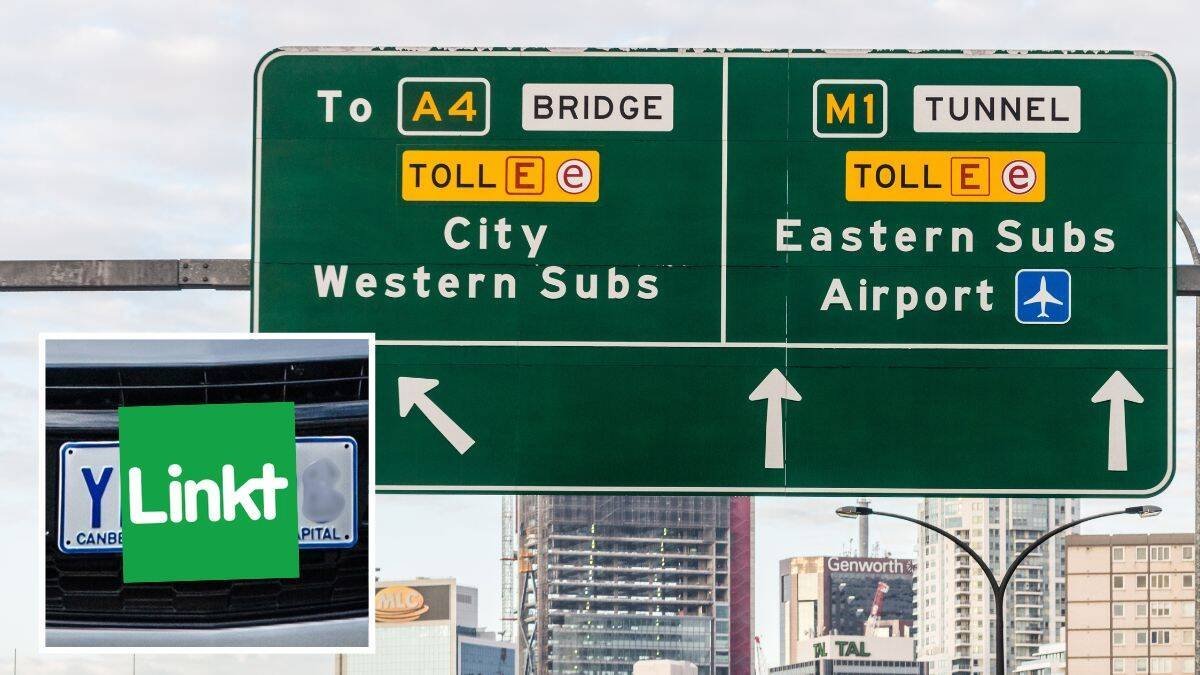
Sydney motorists are set to score a major win with the announcement of toll price cuts on multiple motorways, including the Lane Cove Tunnel, M2, and Cross City Tunnel.
The reductions, which were unveiled as part of the state government’s long-awaited plan to shake up the city’s toll road pricing, will bring relief to drivers who have been slugged with high tolls for years.
From July 1, 2027, Lane Cove Tunnel tolls will reduce by 10%, while M2 tolls for motorists travelling longer distances will also drop by 10%.
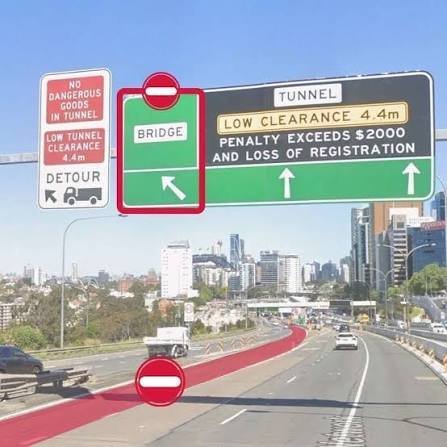
The M7 distance cap will reduce by 10% from January 1, 2028, meaning more drivers will benefit, but this is dependent on the government agreeing to fund an $850 million widening of the M2 and M7.
Meanwhile, motorcyclists will get a 50% reduction on all motorways, progressively from July 1, 2027.
The government’s plan follows years of negotiations with private operators, and while the reductions are welcome, they are not as extensive as some had hoped. WestConnex and NorthConnex, two of the city’s most significant toll roads, have been left out of the reductions, sparking criticism from the opposition.
NSW Transport Minister John Graham acknowledged that the price reductions were not huge, but believed they would still be welcomed by drivers. “They are modest falls, but [tolls have] never gone down before.
And the benefits will be felt for decades,” he said.
But the opposition has slammed the government’s plan, saying it is a “half-done job” that fails to deliver on promised toll reform. Shadow Roads Minister Natalie Ward said the government was trying to sell voters a “lemon”.
“They’ve spent three-and-a-half years promising to [deliver] toll reform. There’s been a lot of talk and this is a half-done job, which, frankly, is disappointing,” she said.
According to the government, the newly-announced price reductions will cost the budget $143 million over five years. The M7 price reductions are dependent on the government tipping in $850 million to widen the M7 and M2.
Private toll road operators have agreed to contribute $75 million over five years to continue the weekly toll cap, but they also benefit from that cap due to increased patronage.
The bulk of the toll cap will be funded through two-way tolling of existing roads.
Analysis: What This Means for Australia
The government’s toll road pricing shake-up has significant implications for Sydney motorists, but it also raises questions about the broader impact on the state’s economy and infrastructure.
With the government opting to keep the weekly toll cap in place, it is likely that private toll road operators will continue to benefit from increased patronage.
However, the opposition’s criticism that the plan is a “half-done job” highlights the ongoing challenges of delivering effective toll reform.
Security analysts say the government’s decision to keep the weekly toll cap in place may lead to increased congestion on Sydney’s roads, as more motorists take advantage of the reduced tolls.
“While the price reductions are welcome, they may also lead to increased traffic volumes, which could have negative impacts on road safety and air quality,” said one analyst.
Law enforcement insiders warn that the increased traffic volumes may also lead to increased enforcement costs, as police and other agencies work to manage the flow of traffic on Sydney’s roads.
“The government needs to ensure that it is adequately resourcing law enforcement agencies to manage the increased traffic volumes, or we may see a rise in road accidents and incidents,” said one insider.
Industry observers believe that the government’s plan may also have implications for the state’s economy, particularly in terms of the impact on businesses that rely on the motorway network.
“While the price reductions are welcome, they may also lead to increased costs for businesses that rely on the motorway network, particularly those in the transport and logistics sector,” said one observer.
As the government moves forward with its toll road pricing shake-up, it is clear that there are still many challenges to be addressed. While the price reductions are a welcome relief for Sydney motorists, they are only part of the solution.
The government must continue to work towards delivering effective toll reform that balances the needs of motorists, businesses, and the broader community.