
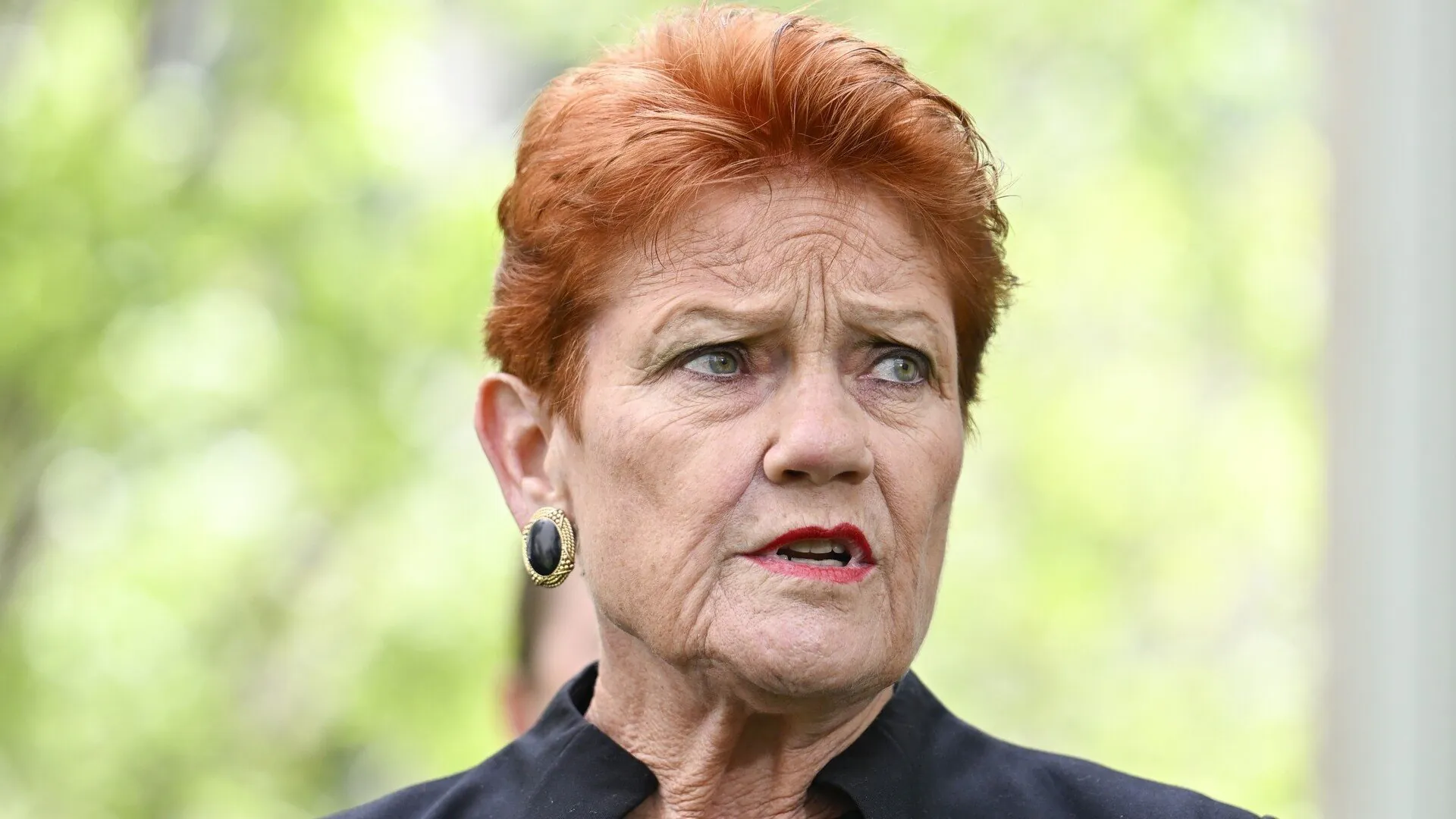
Pauline Hanson Unleashes Fury on Businesses Affected by Skilled Migration Cuts: ‘I Don’t Care’
- One Nation leader Pauline Hanson sparks outrage with her callous response to businesses impacted by proposed skilled migration cuts
- Senator Hanson prioritizes Australian citizens’ interests over economic concerns, saying ‘I don’t care’ what businesses think
- One Nation’s policy to cap migration at 130,000 per year could have far-reaching consequences for the Australian economy and businesses
- Senator Hanson’s comments come as Labor deals with the fallout of a leaked proposal to overhaul the immigration system
Pauline Hanson, the leader of One Nation, has ignited a firestorm with her blunt and unapologetic response to businesses affected by proposed skilled migration cuts.
When asked about the potential impact on Australian businesses, Senator Hanson callously replied, “I don’t care.” This statement has sparked outrage and raised concerns about the potential consequences of One Nation’s migration policy on the Australian economy.
The controversy began when Labor’s proposed overhaul of the immigration system was leaked, revealing plans to prevent partners and children of Australian citizens from applying for family visas on-shore and imposing limits on working holiday visas.
The Australian Chamber of Commerce warned that such a move would deter skilled migrants from coming to Australia, “undermine” the migration system, and hurt the economy.
However, Senator Hanson remains unphased, prioritizing the interests of Australian citizens over economic concerns.
One Nation’s policy to cap migration at 130,000 per year has been a topic of discussion, with Senator Hanson clarifying that this number only applies to permanent migration, not net overseas migration.
This distinction is crucial, as net overseas migration includes temporary visa holders, such as international students and working holiday-makers.
Senator Hanson’s comments suggest that One Nation’s policy is focused on reducing the number of permanent migrants, rather than addressing the broader issue of net overseas migration.
Senator Hanson’s stance on migration is not new, as One Nation has previously been critical of the government’s inability to reduce net overseas migration. However, her comments have sparked concerns about the potential consequences of One Nation’s policy on the Australian economy and businesses.
The government’s 2026-27 permanent migration intake is 185,000 places, significantly higher than One Nation’s proposed cap of 130,000.
Analysis: What This Means for Australia
Senator Hanson’s comments and One Nation’s policy on migration have significant implications for Australia’s economy, businesses, and communities. The proposed cap on permanent migration could lead to a shortage of skilled workers, potentially harming businesses and industries that rely on migrant labor.
Furthermore, the policy could have far-reaching consequences for the Australian economy, potentially leading to reduced economic growth and competitiveness.
Security analysts say that One Nation’s policy could also have national security implications, as it may lead to a brain drain of skilled workers and a reduction in the number of international students coming to Australia.
This could have long-term consequences for Australia’s economic and national security interests.
Law enforcement insiders warn that the policy could also lead to an increase in people smuggling and other forms of exploitation, as desperate migrants attempt to enter Australia through unofficial channels.
This could put a strain on law enforcement agencies and potentially lead to an increase in crime.
Industry observers believe that One Nation’s policy is a simplistic solution to a complex problem. They argue that the policy fails to address the underlying issues driving migration, such as poverty, conflict, and persecution.
Instead, they advocate for a more nuanced approach that addresses the root causes of migration and provides a more sustainable solution.
Ultimately, Senator Hanson’s comments and One Nation’s policy on migration have sparked a heated debate about the future of Australia’s immigration system.
As the country grapples with the challenges of migration, it is clear that a more informed and nuanced approach is needed to address the complex issues at play.