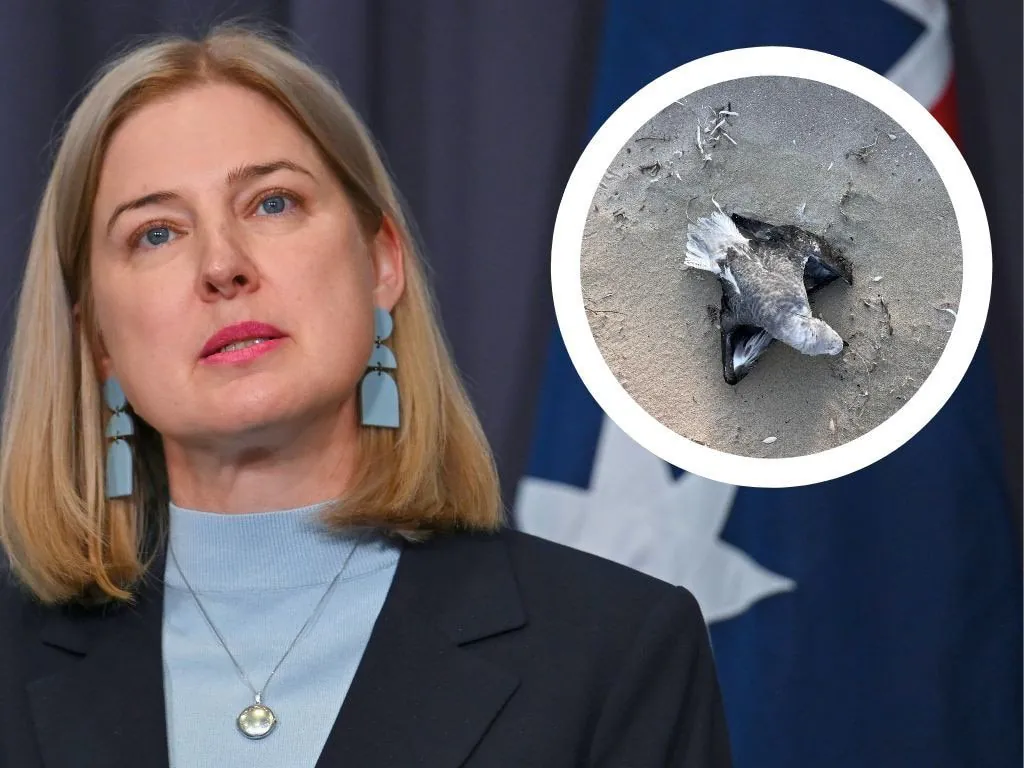
Australia Braces for Long and Deadly Battle Against H5 Bird Flu Virus as Mass Mortality Event Unfolds
- Australia records its first mass mortality event from the H5 bird flu virus, with 74 cases confirmed across four states and a warning of a long and devastating impact on wildlife.
- Agriculture Minister Julie Collins warns the outbreak could affect Australian wildlife for years, citing the highly contagious and virulent nature of the disease.
- Environment Minister Murray Watt echoes the grim forecast, stating that more mass mortality events are inevitable and the disease could potentially spread to mammals.
- The greater crested tern and silver gull species have been identified as being impacted by the disease, with a “larger group of sick and dead birds” found at Baudin Rocks off Cape Jaffa in South Australia.
Australia is facing a potentially long and deadly battle against the H5 bird flu virus, with the country recording its first mass mortality event and warnings of a devastating impact on wildlife.
The outbreak, which has already claimed the lives of dozens of birds across four states, has prompted Agriculture Minister Julie Collins to sound the alarm, warning that the disease could affect Australian wildlife for years to come.
The CSIRO confirmed the mass mortality event in South Australia, bringing the total number of cases in Australia to 74.
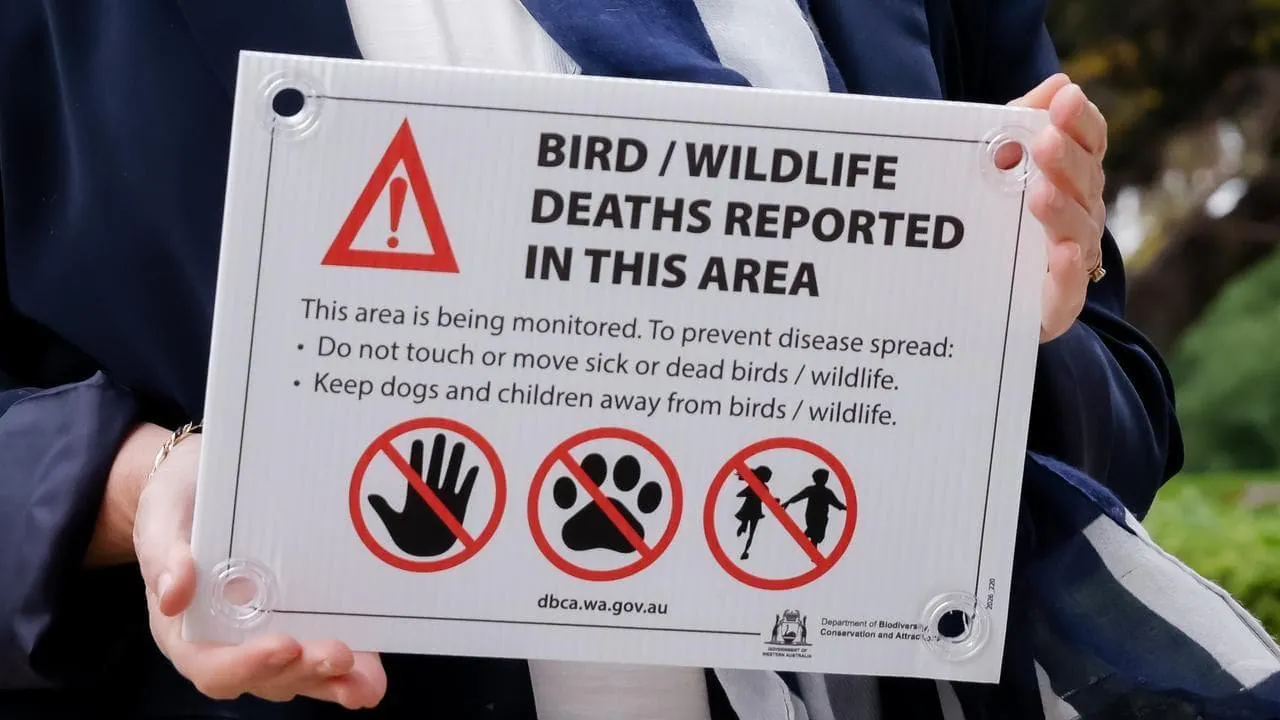
Western Australia, NSW, Queensland, and Victoria have also recorded confirmed bird deaths, with the greater crested tern and silver gull species identified as being impacted by the disease.
The outbreak is a stark reminder of the highly contagious and virulent nature of the H5 bird flu virus, which has been wreaking havoc on bird populations around the world since 2022.




According to Minister Collins, the outbreak is a “very long journey” for Australia, with the country facing a potentially long and difficult road in battling the disease.
“We’ve certainly seen some devastating impacts overseas, particularly of birds, in terms of the mass mortalities that have occurred,” she told ABC News Breakfast. “We’ve done everything we can, but we cannot stop a very virulent, very contagious disease in this bird flu.”
Environment Minister Murray Watt echoed Minister Collins’ sentiments, warning that more mass mortality events are inevitable and the disease could potentially spread to mammals.
“I’m sorry to have such grim news at this hour of the morning, but it’s best to be honest with people,” Senator Watt told ABC Radio National.
“As you know, Australia is the last continent on earth to have this strain of bird flu come to our shores.
It was inevitable that it would come here at some point, but the fact that it has taken a bit of time means that we are well prepared as a country.”
However, the reality is that Australia is facing a potentially catastrophic situation, with the disease already spreading rapidly and the risk of further outbreaks looming large.
The greater crested tern and silver gull species have been identified as being impacted by the disease, with a “larger group of sick and dead birds” found at Baudin Rocks off Cape Jaffa in South Australia.
The discovery has sparked fears of a wider outbreak, with Minister Collins warning that the disease could not be eradicated and Australians should expect to see “more spread and larger numbers of wildlife be affected.”
Analysis: What This Means for Australia
The outbreak of the H5 bird flu virus in Australia has significant implications for the country’s wildlife, economy, and public health. The disease has the potential to devastate bird populations, with the greater crested tern and silver gull species already identified as being impacted.
The risk of further outbreaks and the potential for the disease to spread to mammals also raises concerns about the long-term impact on Australia’s ecosystem.
Security analysts say that the outbreak highlights the need for increased biosecurity measures to prevent the spread of the disease.
“The fact that the disease has already spread to four states and has caused a mass mortality event is a wake-up call for Australia’s biosecurity systems,” said one expert.
“We need to take immediate action to strengthen our borders and prevent further outbreaks.”
Law enforcement insiders warn that the outbreak also raises concerns about the potential for the disease to be used as a bioterrorism agent.
“The H5 bird flu virus is a highly contagious and virulent disease that could be used to devastating effect in a bioterrorism attack,” said one source.
“We need to take the threat seriously and take steps to prevent the disease from falling into the wrong hands.”
Industry observers believe that the outbreak could also have significant economic implications for Australia, particularly for the poultry and bird-related industries. “The outbreak could lead to significant losses for farmers and bird breeders, as well as impact on the tourism industry,” said one expert.
“We need to take immediate action to support affected industries and prevent further economic damage.”