Free Press Under Fire: Aussie Journalist Peter Greste Warns of ‘Dangerous Precedent’ as One Nation Leader Pauline Hanson Bans Critical Media
- Peter Greste, a journalist who spent 400 days in an Egyptian prison, slams One Nation leader Pauline Hanson’s decision to ban critical media outlets as a ‘dangerous precedent’
- Hanson’s move has been likened to Trump’s ‘fake news’ tactics, which have been widely condemned as an attack on free speech
- Greste warns that if this precedent is allowed to stand, it could lead to a slippery slope towards authoritarianism and the erosion of public freedoms
- Experts say the move undermines the principles of democracy and could have far-reaching consequences for the Australian public
Australia is at a crossroads, and the freedom of the press is hanging in the balance.
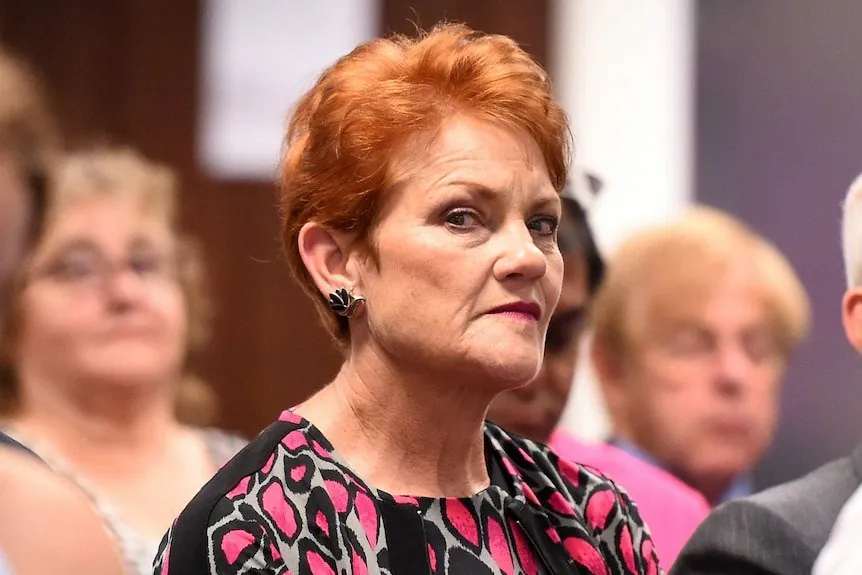
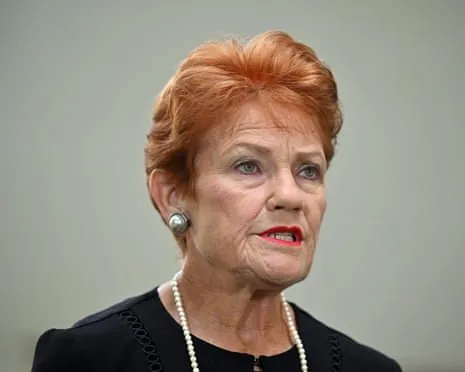
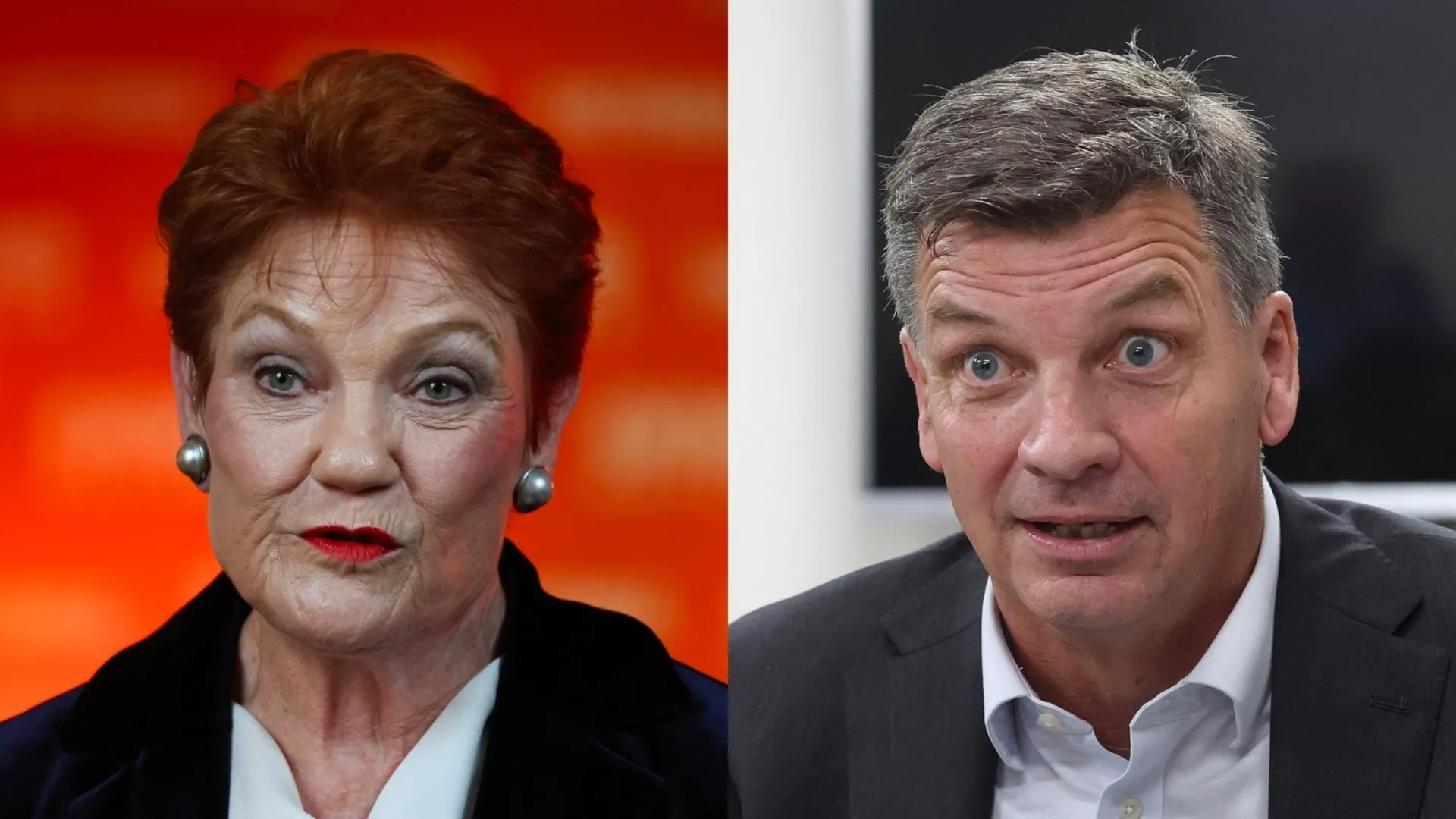
One Nation leader Pauline Hanson’s decision to ban critical media outlets from covering her campaign has sent shockwaves through the journalistic community, with many warning of a ‘dangerous precedent’ that could have far-reaching consequences for the country.
Peter Greste, a journalist who knows all too well the dangers of government overreach, has spoken out against Hanson’s move. In 2013, Greste was imprisoned in Egypt on ‘false news’ charges, spending 400 days behind bars.
His story was widely condemned by human rights groups and sparked a global outcry. Now, he’s sounding the alarm about the threat to press freedom in Australia.
According to Greste, Hanson’s decision to ban critical media outlets is a clear attempt to control the narrative and silence dissenting voices. “I think it’s a dangerous precedent, and I hope it doesn’t become the norm,” he said.
“Politicians have always moaned about critical coverage, and they’ve always got their journalists and outlets who they think are being unfair. But I certainly can’t recall – it may have happened – but I can’t recall other politicians explicitly banning certain news organisations.”
Greste’s concerns are not just about the media; they’re about the fundamental principles of democracy. “It’s really a public issue, not a journalism issue,” he said.
“A healthy democracy depends on a culture that tolerates scrutiny of its leaders, particularly when pressure is at its peak.”
So, what’s driving Hanson’s decision? The One Nation leader claims that the banned outlets have engaged in “spin” and “gotcha moments” and treated her party unfairly.
But press freedom advocates argue that singling out particular outlets or reporters crosses a fundamental line. “This is about the public,” Greste said.
“It’s not special pleading for journalists themselves. This is really about the public, about the voters.”
The implications of Hanson’s move are far-reaching.
If this precedent is allowed to stand, it could lead to a slippery slope towards authoritarianism, where politicians have unchecked power and the public is left in the dark.
As Greste warned, “It happens incrementally. Like that famous remark about bankruptcy, it happens very slowly, then quickly.
These incremental hits against the media, against freedom of speech, they chip away at public confidence and concentrate more and more power in the hands of politicians.”
Analysis: What This Means for Australia
The ban on critical media outlets is not just a blow to press freedom; it’s a threat to the very fabric of Australian democracy. By silencing dissenting voices, Hanson is undermining the principles of transparency and accountability that are essential to a healthy democracy.
As experts warn, this move could have far-reaching consequences for the Australian public, including the erosion of public trust and the concentration of power in the hands of politicians.
Security analysts say that this move is a classic example of a politician trying to control the narrative and silence dissenting voices. “It’s a textbook case of authoritarianism,” said one analyst.
“By banning critical media outlets, Hanson is trying to create a false narrative and silence anyone who dares to question her policies.”
Law enforcement insiders warn that this move could have serious consequences for public safety. “If politicians are allowed to silence critical voices, it creates a culture of impunity,” said one insider.
“It sends a message that politicians are above the law and that they can do whatever they want without being held accountable.”
As Australia grapples with the implications of Hanson’s move, one thing is clear: the freedom of the press is under attack.
It’s up to the Australian public to demand better from their politicians and to stand up for the principles of democracy that have made this country great.
As Greste said, “One of the reasons we have a free media is because there’s an imbalance of power. Politicians and governments have enormous power, and there is the potential to wield that both responsibly and irresponsibly.
A free media is a check on that power. It’s a way of holding that power back.
It’s a way of monitoring them, ensuring that the power is used responsibly.”
It’s time for Australians to wake up and realize the danger that’s lurking in the shadows. The freedom of the press is not just a right; it’s a responsibility.
It’s up to us to defend it.