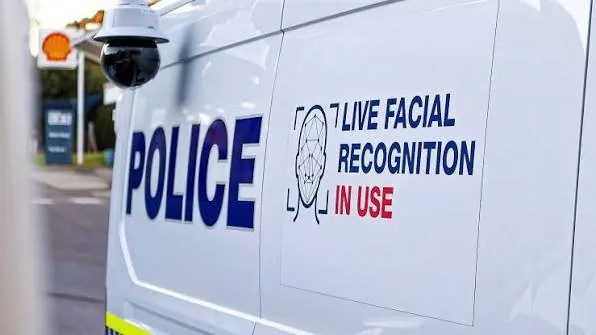
Facial Recognition Trial in Western Australia Sparks Fears of ‘Police State’ and Racial Profiling
- WA Police’s live facial recognition technology trial has scanned over 130,000 faces in Perth and Fremantle, raising concerns about racial bias and surveillance of First Nations people.
- Experts warn of accuracy issues with the technology, particularly for people of colour and women, due to a lack of diverse training data.
- The trial has resulted in 33 alerts and 18 arrests, but critics argue the watchlist is opaque and may target vulnerable communities.
- Privacy advocates and human rights lawyers are calling for greater transparency and regulation of the technology, citing risks to individual freedoms and potential for abuse.
The use of live facial recognition technology by Western Australian police has sparked controversy and raised concerns about racial profiling, surveillance, and the erosion of individual freedoms.
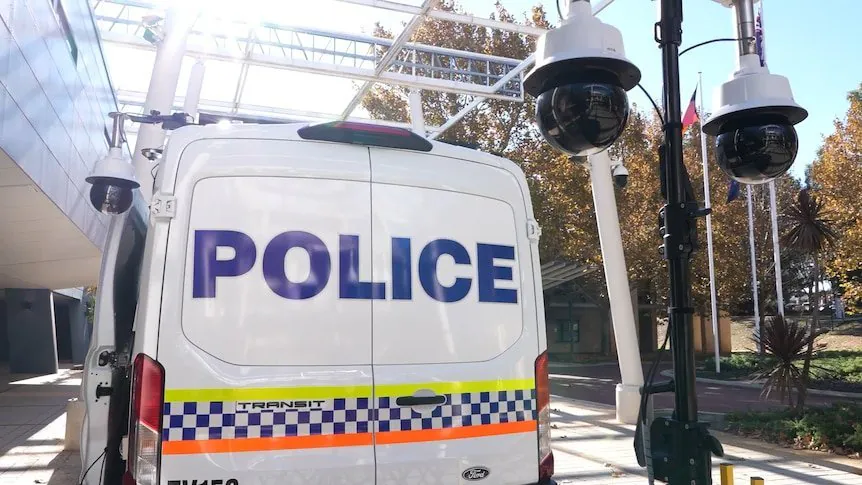
The trial, which began in June, has scanned over 130,000 faces in Perth and Fremantle, with 33 alerts and 18 arrests resulting from the technology.
However, experts warn that the technology is not without its flaws, particularly when it comes to accuracy.
Associate Professor Jake Goldenfein from Melbourne Law School notes that facial recognition systems have historically performed worse for people of colour and women, due to a lack of diverse training data.
This raises concerns about the potential for false positives and false negatives, which could lead to wrongful arrests or the failure to identify individuals who pose a risk to the community.




The trial has also been criticized for its opaque watchlist, which includes individuals accused of serious offences, missing persons, and those who may pose a risk to themselves or others.
Critics argue that the list may target vulnerable communities, including First Nations people, who are already over-represented in the justice system.
The Aboriginal Legal Service of Western Australia’s (ALSWA) legal services director, Peter Collins, has accused WA Police of “tokenistic” consultation, claiming that the force did not provide adequate input from the state’s primary legal agency for First Nations people.
Dr Hannah McGlade, a human rights lawyer and Noongar woman, has expressed deep concerns about the rollout of the program, which she believes will disproportionately impact First Nations people.
“This new policing program is looking at people with outstanding warrants. We know Aboriginal people are over-represented here,” she said.
“The technology is being set up in well-known Aboriginal areas: Midland, Northbridge.”
Analysis: What This Means for Australia
The use of live facial recognition technology by WA Police raises significant concerns about national security, law enforcement, and individual freedoms. As the technology becomes more widespread, it is essential that we consider the potential risks and consequences of its use.
Security analysts warn that the technology could be used to surveil and monitor vulnerable communities, exacerbating existing social and economic inequalities.
Law enforcement insiders argue that the technology has the potential to improve public safety, particularly in high-crime areas. However, this must be balanced against the risk of wrongful arrests and the erosion of individual freedoms.
Industry observers believe that the technology will become increasingly prevalent in the coming years, making it essential that we establish robust regulations and safeguards to prevent abuse.
Experts say that the WA trial highlights the need for greater transparency and regulation of facial recognition technology.
Michael Birtwisle, an associate director of data and AI law and policy at the Ada Lovelace Institute, argues that Australian police cannot rely on UK trial data when applying the technology here, particularly given the lack of testing on First Nations faces.
“It’s a snapshot so it can only tell you [about] that version of that system, for that population,” he said.
Former Australian Privacy Commissioner Malcolm Crompton has called for greater transparency and regulation of the technology, citing risks to individual freedoms and potential for abuse. “The privacy impact assessment is the cornerstone of this particular thing,” he said.
“[The] privacy impact assessment is not an ‘I’m going to wave this piece of paper in front of you and I’ve let you know it’s happening consultation’.”