
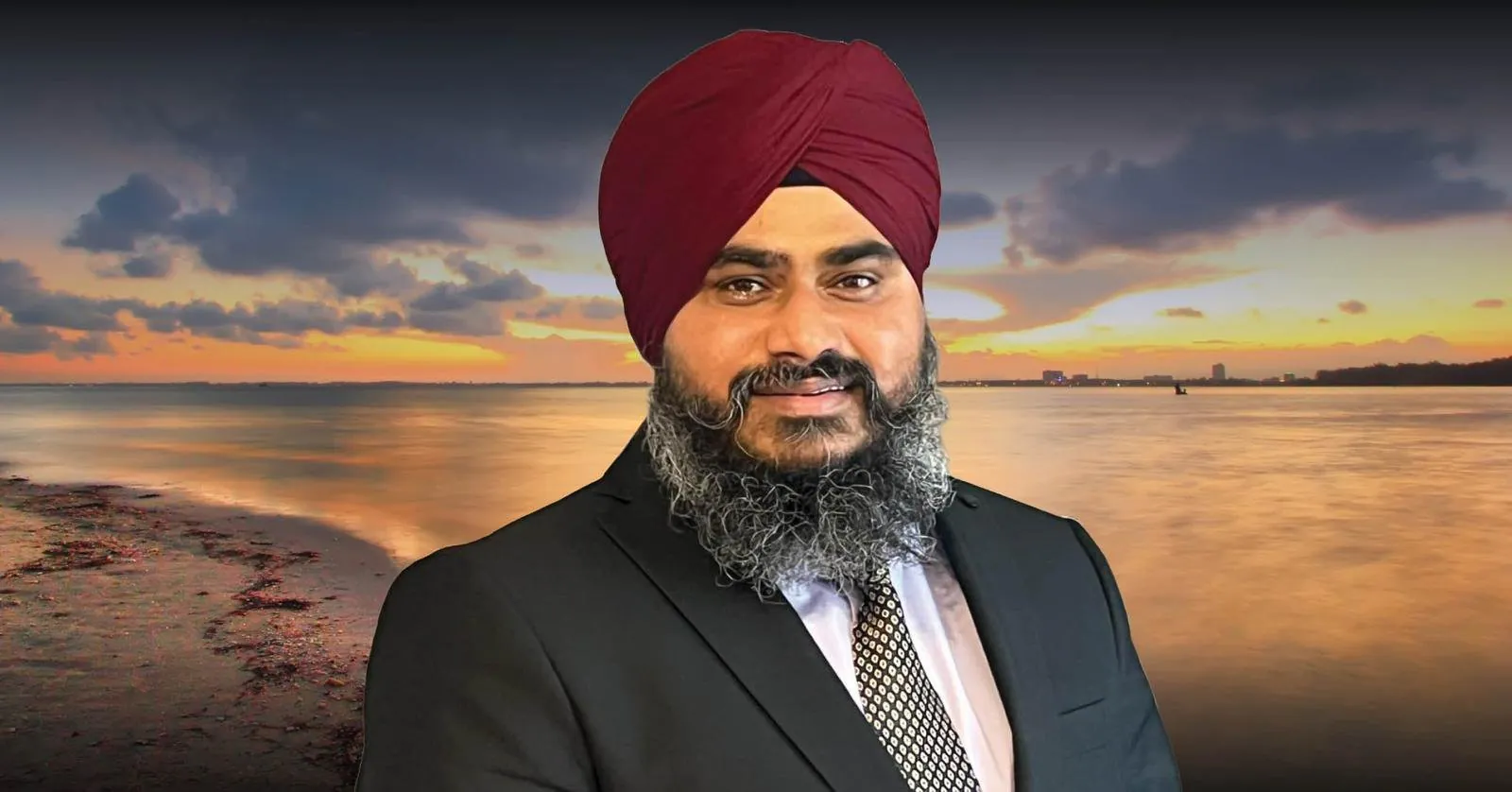
‘Homophobic Hate Speech’: One Nation Candidate Sparks Outrage with Shocking Claims About Gay People and Mental Illness
- One Nation’s Parminder Singh describes gay people as having a mental illness in a shocking video posted on social media.
- The WA candidate claims gay parades “advertise” being gay to young people and that women who try relationships with women don’t “go back” to men.
- His profile has been removed from the One Nation website after the ABC made enquiries about the video.
- Shadow Treasurer Tim Wilson, a married gay man, slams Mr Singh’s comments as “homophobic hate speech” and says he’s a “snowflake”.
The Australian public has been left reeling after a One Nation candidate made shocking and homophobic comments about gay people, sparking widespread outrage and condemnation.
Parminder Singh, who is number three on One Nation WA’s Legislative Council ticket, made the remarks in a video posted on social media, where he claimed that gay people have a mental illness and that gay parades “advertise” being gay to young people.
According to the video, Mr Singh stated that women who try relationships with women don’t “go back” to men, and that animals are smarter than humans because they are “not gay”.
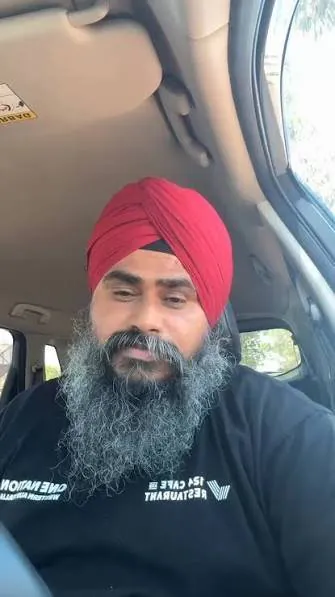
He also appeared to make comments about transgender people, referencing a social media post about there being “three sex, male, female and mentally ill”. When asked if he thought people were born gay, Mr Singh replied, “No, it’s a mental illness.
No one born anything … I blame on the parents because parents are too busy.”
The comments have been widely condemned, with Shadow Treasurer Tim Wilson, who is himself a married gay man, slamming Mr Singh’s remarks as “homophobic hate speech”.
Mr Wilson said that Mr Singh’s comments “remove all doubt” about his character and that he’s a “snowflake who doesn’t like seeing other Australians happily living their lives”.
The incident has also sparked concerns about One Nation’s stance on LGBTQI+ issues and its commitment to equality. One Nation leader Pauline Hanson has been contacted for comment, but has yet to respond.
The party’s National Director, James Ashby, is a gay man, and Mr Singh’s comments have been seen as a personal attack on him.
Analysis: What This Means for Australia
The comments made by Parminder Singh are not only homophobic and hurtful, but they also highlight a deeper issue within Australian politics.
The fact that a candidate from a major party can make such remarks without fear of repercussions raises serious concerns about the state of our democracy.
It also highlights the need for greater accountability and scrutiny of politicians and their views.
Security analysts say that comments like Mr Singh’s can have serious consequences for community cohesion and social stability. “When politicians make homophobic comments, it can embolden hate groups and create a sense of division and fear within the community,” said one analyst.
“It’s essential that we hold our leaders to account for their words and actions, and that we promote a culture of respect and inclusivity.”
Law enforcement insiders warn that hate speech can also have serious consequences for public safety. “When people feel marginalized and excluded, they can become radicalized and turn to violence,” said one insider.
“It’s essential that we take a zero-tolerance approach to hate speech and that we work to create a society that is inclusive and respectful of all people.”
Industry observers believe that the incident highlights the need for greater scrutiny of social media and its role in spreading hate speech. “Social media platforms have a responsibility to remove hate speech and to promote a culture of respect and inclusivity,” said one observer.
“We need to work together to create a digital landscape that is safe and respectful for all people.”
As the Australian public continues to grapple with the implications of Mr Singh’s comments, one thing is clear: we need to do better. We need to promote a culture of respect and inclusivity, and we need to hold our leaders to account for their words and actions.
Only then can we create a society that is truly equal and just for all.